9 Halloween Books to Read When You Want to Feel Spooky
This post may contain affiliate links. As an Amazon Associate and Bookshop.org affiliate, I earn from qualifying purchases at no extra cost to you.
Table of Content
- Frankenstein by Mary Shelley
- The Haunting of Hill House by Shirley Jackson
- The Woman in Black by Susan Hill
- The Little Stranger by Sarah Waters
- The Elementals by Michael McDowell
- The Silent Companions by Laura Purcell
- Dark Matter by Michelle Paver
- Wylding Hall by Elizabeth Hand
- The Halloween Tree by Ray Bradbury
- So, What Kind of Halloween Are You Having?
- Welcome to Spooky Season, Readers!
- FAQs About Halloween Books to Read!
Happy October, readers! If you’ve been waiting for the calendar to finally give you permission to read something creepy, gothic, strange, or just a little bit unsettling, this is your month!
And if you’re not really a Halloween person, or, more importantly, not really a reader, October is still a pretty good time to give books a chance. You don’t have to become the person who carries a novel everywhere and gets emotionally attached to fictional people. Just pick one book that matches the mood.
Because honestly, October does half the work for you. The evenings get darker, the weather starts behaving differently, every other shop suddenly has a pumpkin somewhere, and there is something about reading a slightly sinister book when it gets dark outside that makes the whole experience better. So for the first Halloween list of the month here at The Reader Life, I wanted something a little different.
There are no nine versions of Dracula-inspired fiction, and surely not a list made entirely of books you’ve already seen on every Halloween reading list since the invention of the internet. I’ve mixed a few familiar classics with some wonderfully underhyped books that deserve to be discovered. Some are properly scary. Some are gothic. Some are more atmospheric than terrifying. And one of them is basically a love letter to Halloween itself. So grab a blanket, turn on a suitably suspicious lamp, and let’s get into it.
Frankenstein by Mary Shelley
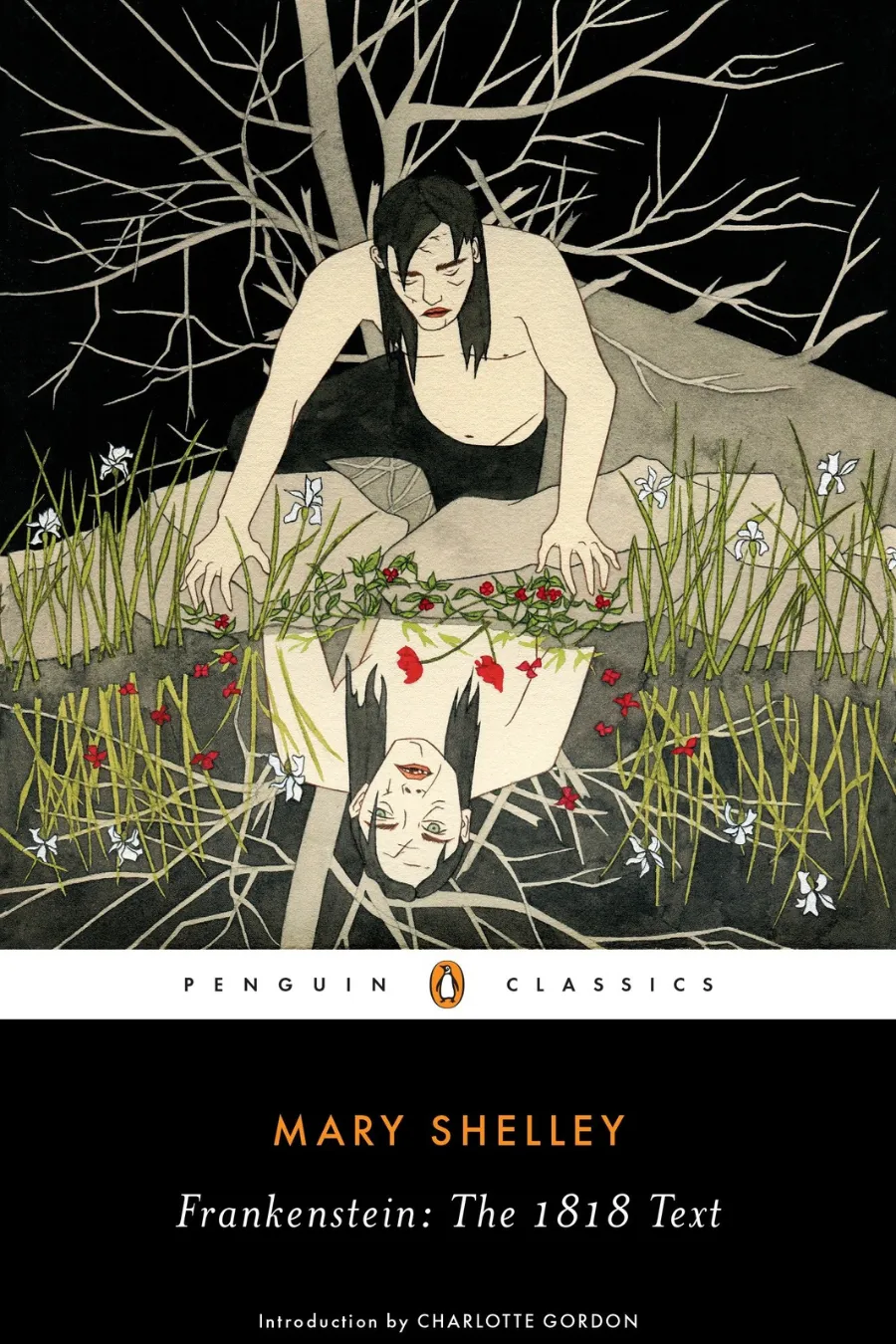
Let’s start with the obvious one! Shelley’s beautiful monster.
Except Frankenstein is one of those books that is so famous that we sometimes forget to actually read it. We know the monster. We know the bolts of lightning. We know the general idea. But Mary Shelley’s novel is considerably stranger, sadder, and more thoughtful than the pop-culture version of Frankenstein would have you believe.
The story begins with Victor Frankenstein, a young scientist obsessed with discovering the secret of creating life. He eventually succeeds in bringing a being to life, only to be horrified by what he has made and abandon his creation. That abandonment becomes the heart of the story.
The creature is intelligent, curious, and desperately lonely. He wants companionship and acceptance, but the people he encounters see his appearance before they see him. As Victor’s creation becomes increasingly consumed by rejection and anger, the two become locked in a destructive relationship that takes them across Europe and eventually into the Arctic.
And that is why I think Frankenstein makes such a good October read. Yes, there is a monster, but there is also loneliness, ambition, revenge, guilt, responsibility, and the rather unfortunate consequences of playing God and then immediately deciding you don’t want to deal with the consequences.
Read this if: you want classic Gothic horror with considerably more emotional and philosophical depth than you might expect from a story about a monster created in a laboratory.
The Haunting of Hill House by Shirley Jackson
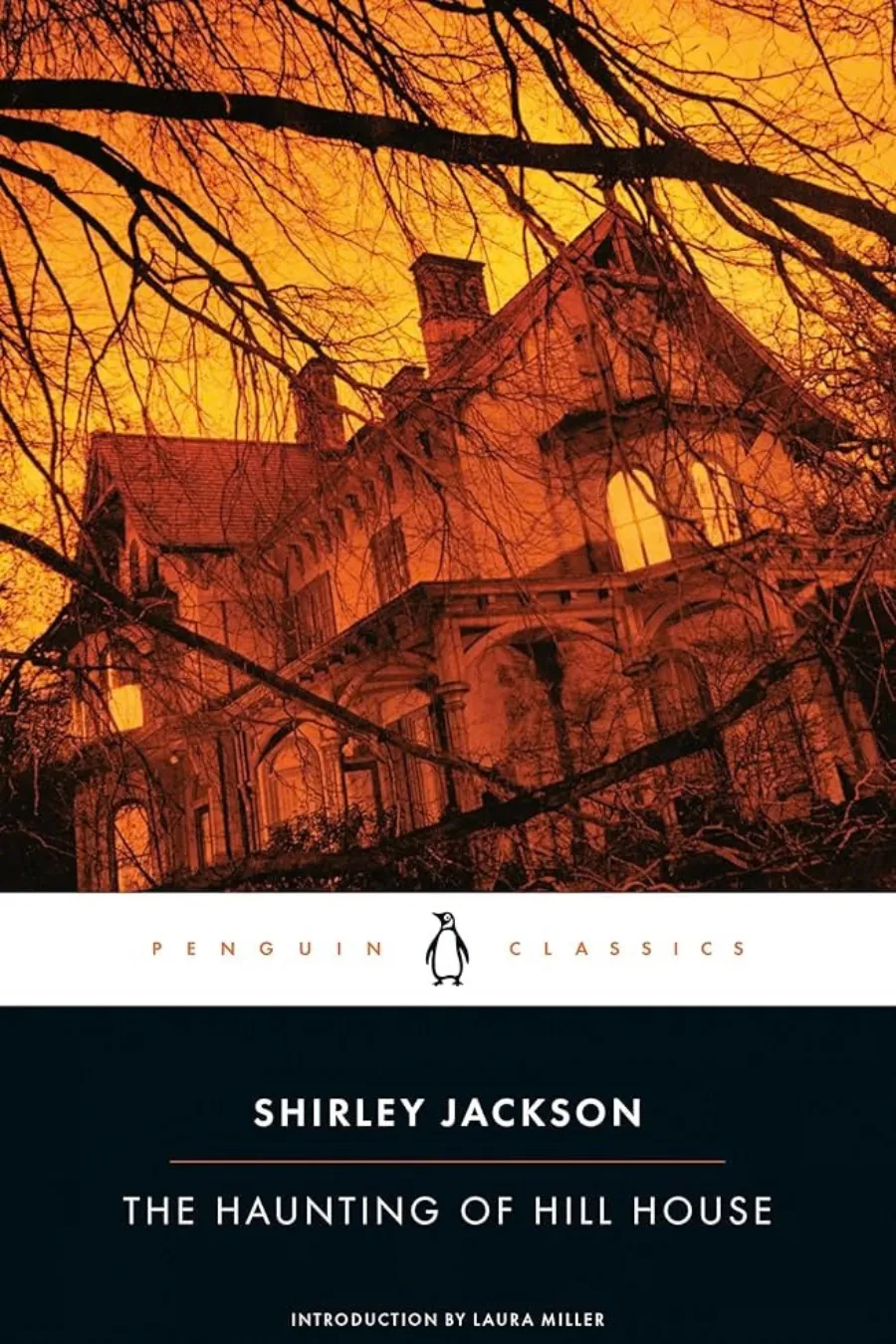
If Frankenstein gives us the monster, Shirley Jackson gives us something arguably worse: a house that does not want you there.
The Haunting of Hill House follows four people who arrive at Hill House to investigate its supposed haunting. Dr. Montague is an occult scholar hoping to find evidence of supernatural activity; Theodora joins him, along with Eleanor, a lonely young woman with previous experiences involving strange phenomena, and Luke, the heir to Hill House.
At first, things are unsettling in the way you might expect from a haunted-house story. There are strange sounds, strange sensations, and super strange things happening in the house. But Jackson’s real trick is that you are never entirely sure where the house ends and Eleanor’s increasingly troubled perception begins.
Hill House seems to exert a growing influence over the group, and particularly over Eleanor, and the constant uncertainty makes it so good. You don’t necessarily need something jumping out from behind a door every twenty pages. Sometimes all you need is the uncomfortable feeling that something is wrong, and nobody else seems to notice it. Jackson understood that very well.
Read this if: you like psychological horror, haunted houses, and books that make you suspicious of perfectly ordinary noises after dark.
The Woman in Black by Susan Hill
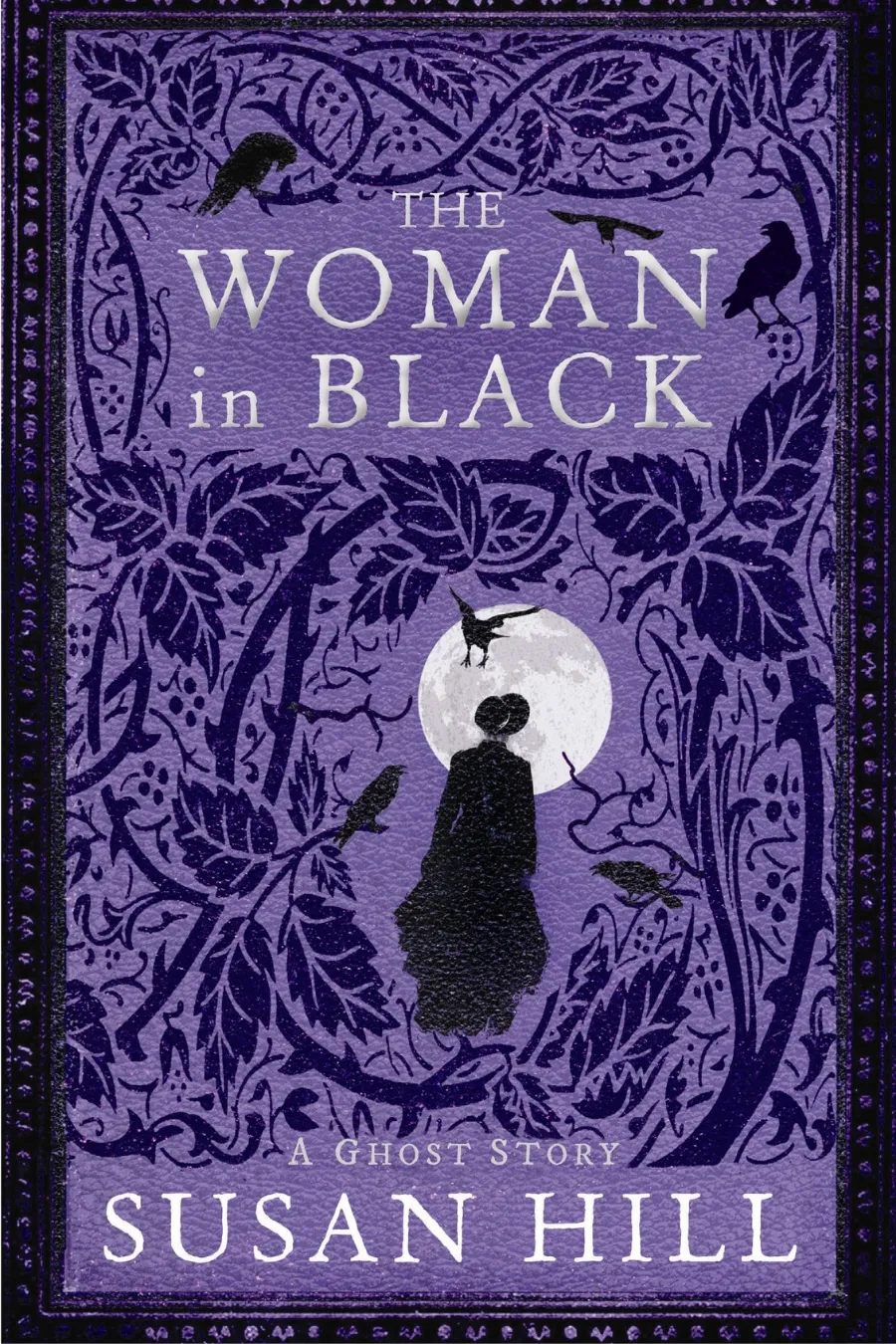
The Woman in Black is the proper old-fashioned ghost story for your spooky October evenings.
Arthur Kipps, a young London solicitor, is sent to the remote town of Crythin Gifford to attend the funeral of Mrs. Alice Drablow and settle her affairs. Her home, Eel Marsh House, sits beyond a causeway surrounded by fog and salt marshes, which is already enough information for me to suggest that Arthur should probably finish the paperwork and leave. But obviously, he doesn’t!
As Arthur spends time around the isolated house, he begins noticing unsettling things: strange sounds, a child’s scream, a rocking chair in an empty nursery, and most frighteningly, a mysterious woman dressed in black. The more he discovers about Eel Marsh House, the more disturbing the story becomes.
What I love about this one is that it doesn’t need to scream at you. It’s foggy, lonely, quiet, and increasingly dreadful. Basically, everything you want from a ghost story if you enjoy the idea of being frightened in a very respectable British way.
Read this if: you want a short, atmospheric ghost story that gets under your skin without needing a thousand special effects.
The Little Stranger by Sarah Waters
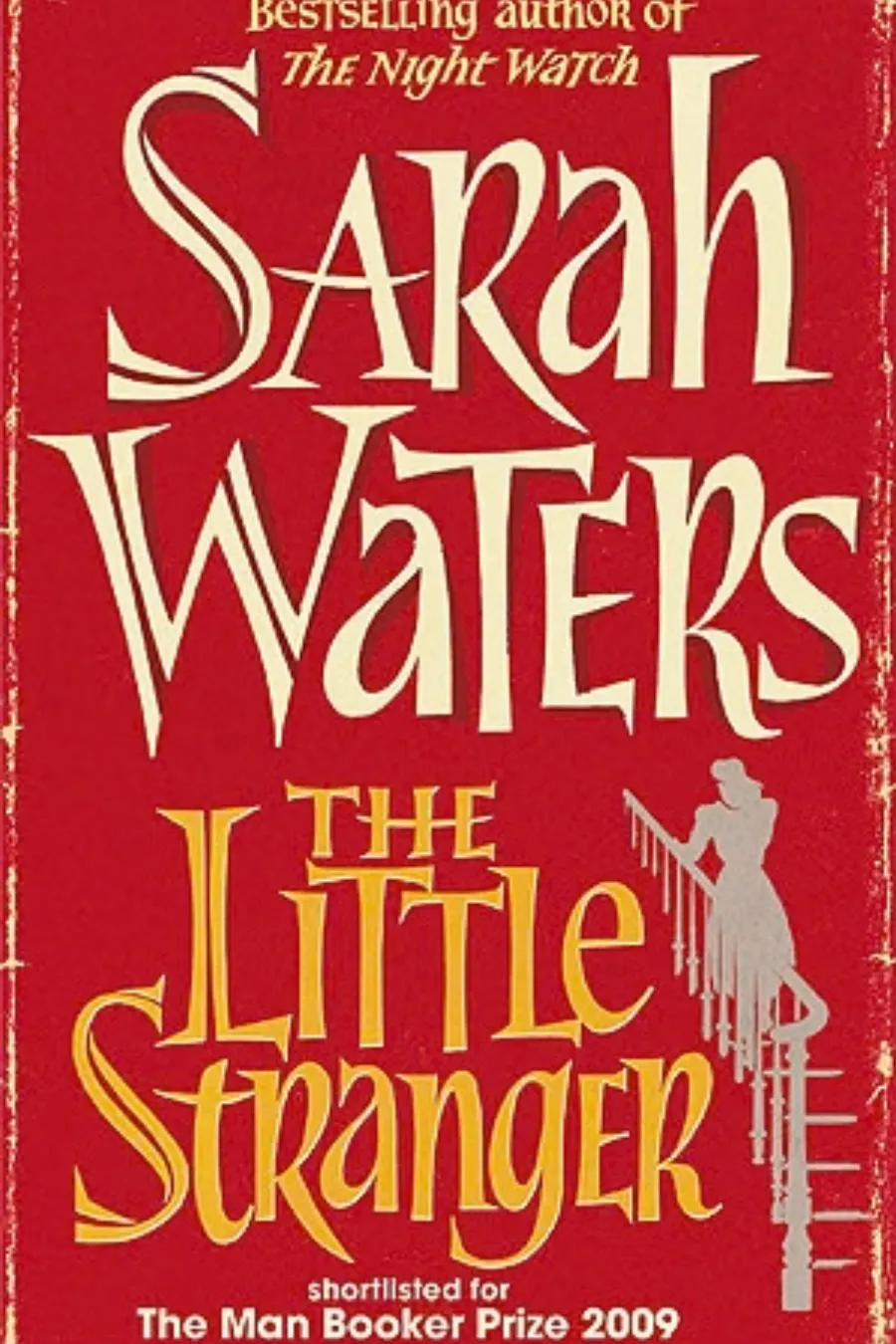
Now we get into the books where the question isn’t simply “Is there a ghost?” It’s: “Is there a ghost, or is something else going terribly wrong here?”
Set in postwar Warwickshire, The Little Stranger follows Dr. Faraday, a country doctor who is called to Hundreds Hall, a once-grand Georgian estate now falling into disrepair. The Ayres family has lived there for generations, but the house and the family itself, is struggling to survive a changing world. Dr. Faraday becomes increasingly involved with the family as strange and disturbing events begin taking place around the house.
And here’s where Sarah Waters has fun with you. The book never makes everything comfortably clear. You are left wondering whether Hundreds Hall is haunted, whether the family is unraveling under the pressure of their circumstances, or whether something altogether more complicated is happening. It is a slow burn, but a very important read. It gives you decay, class tension, an unsettling house, family secrets, and that creeping feeling that something is very wrong even when everyone is sitting down having tea, which, frankly, is its own kind of horror.
Read this if: you enjoy Gothic stories that leave you wondering what exactly you should be afraid of.
The Elementals by Michael McDowell
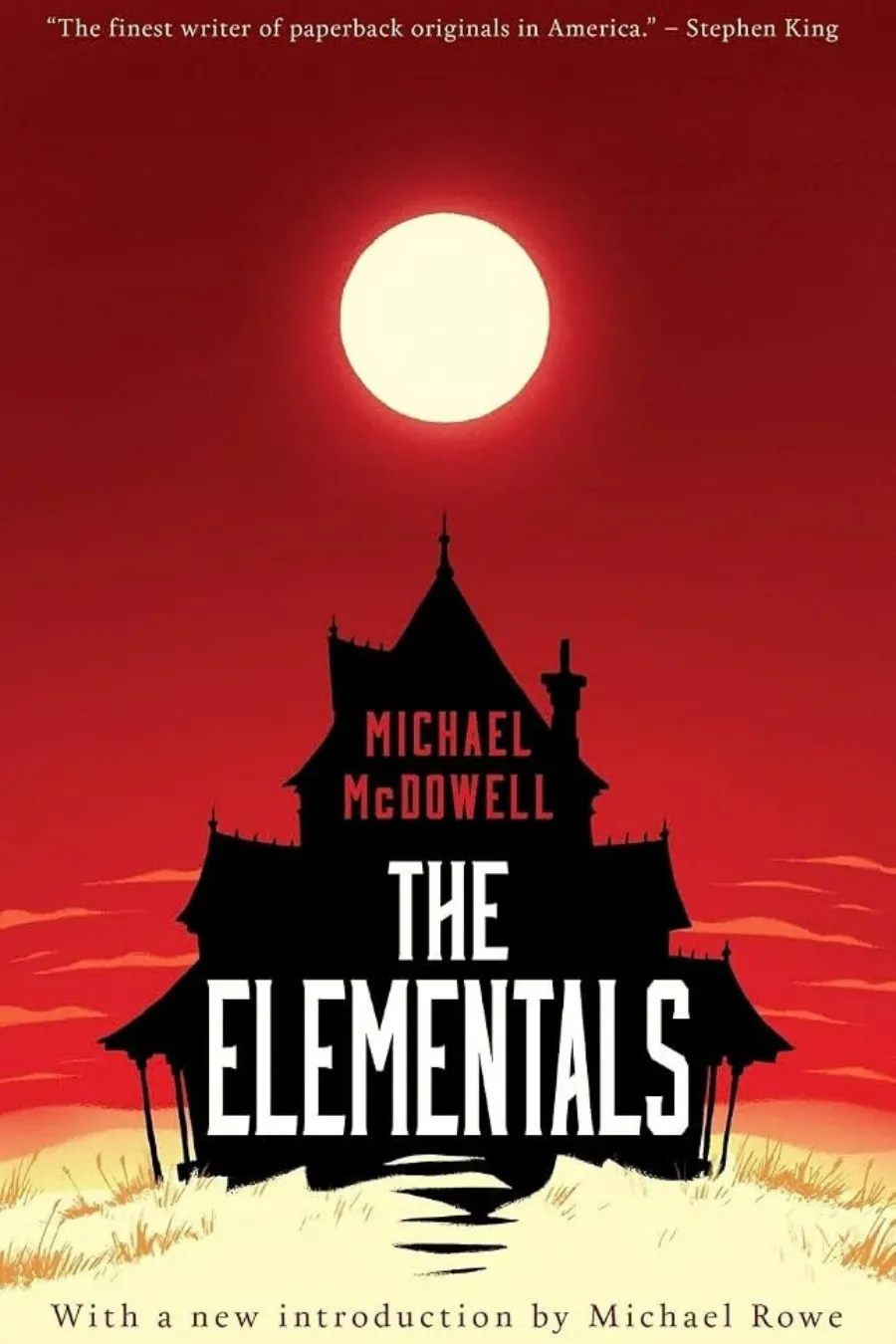
This is where I would like to introduce you to a book you may not have encountered before.
The Elementals takes us far away from the foggy English manor and deposits us on the Alabama Gulf Coast, where two Southern families spend the summer at Beldame. There are three Victorian houses on the property. Two are usable, but the third one is slowly being swallowed by an enormous dune of white sand. And, unfortunately, it isn’t empty.
The McCray and Savage families have known about the strange house and the frightening history surrounding it for years. What begins as a summer escape gradually becomes something much darker as the buried house seems to hold a presence of its own. The setting alone makes this one interesting. Instead of cold castles and dark English corridors, you’ve got heat, sand, sea, and a house being slowly consumed by the landscape around it.
And Michael McDowell knows exactly how to make that unsettling. He is also the screenwriter behind Beetlejuice and The Nightmare Before Christmas, and his horror fiction has been undergoing something of a rediscovery in recent years. So if you’re looking for the “Why has nobody recommended this to me before?” book on this list, I’d put my money on this one.
Read this if: you want Southern Gothic horror, a strange haunted house, and a setting that is about as far from the traditional Halloween castle as you can get.
The Silent Companions by Laura Purcell
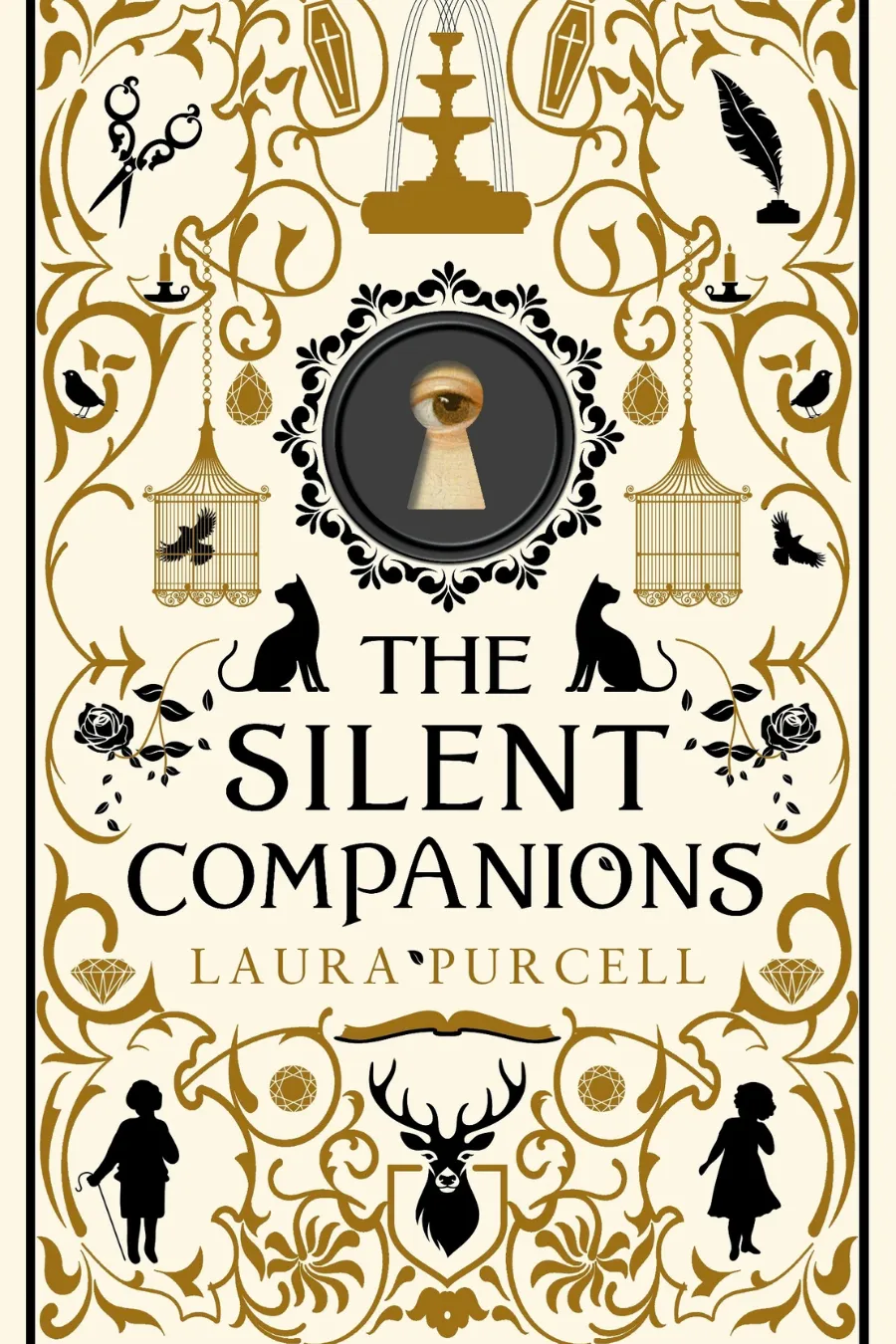
There are creepy paintings. There are creepy dolls. And then there are creepy wooden figures that appear to be watching you. Welcome to The Silent Companions.
Elsie Bain is newly married, newly widowed, and pregnant when she is sent to her late husband’s crumbling country estate. She arrives to find resentful servants, unfriendly locals, and a house with a locked room that everyone seems determined to avoid. Inside that room is an old diary and a painted wooden figure known as a Silent Companion.
The figure bears an unsettling resemblance to Elsie herself. Naturally, Elsie initially tries to convince herself that everyone is being ridiculous.
Then she notices the figure’s eyes seem to follow her. Because apparently Victorian houses cannot simply contain normal furniture. This one has everything I want from a Halloween Gothic: an isolated estate, a mysterious diary, an unhappy heroine, old secrets, creepy objects, and a growing sense that the house has not exactly welcomed its newest resident.
Read this if: you like Victorian Gothic, creepy objects, old houses, and the particular horror of realizing that something you thought was inanimate may have opinions.
Dark Matter by Michelle Paver
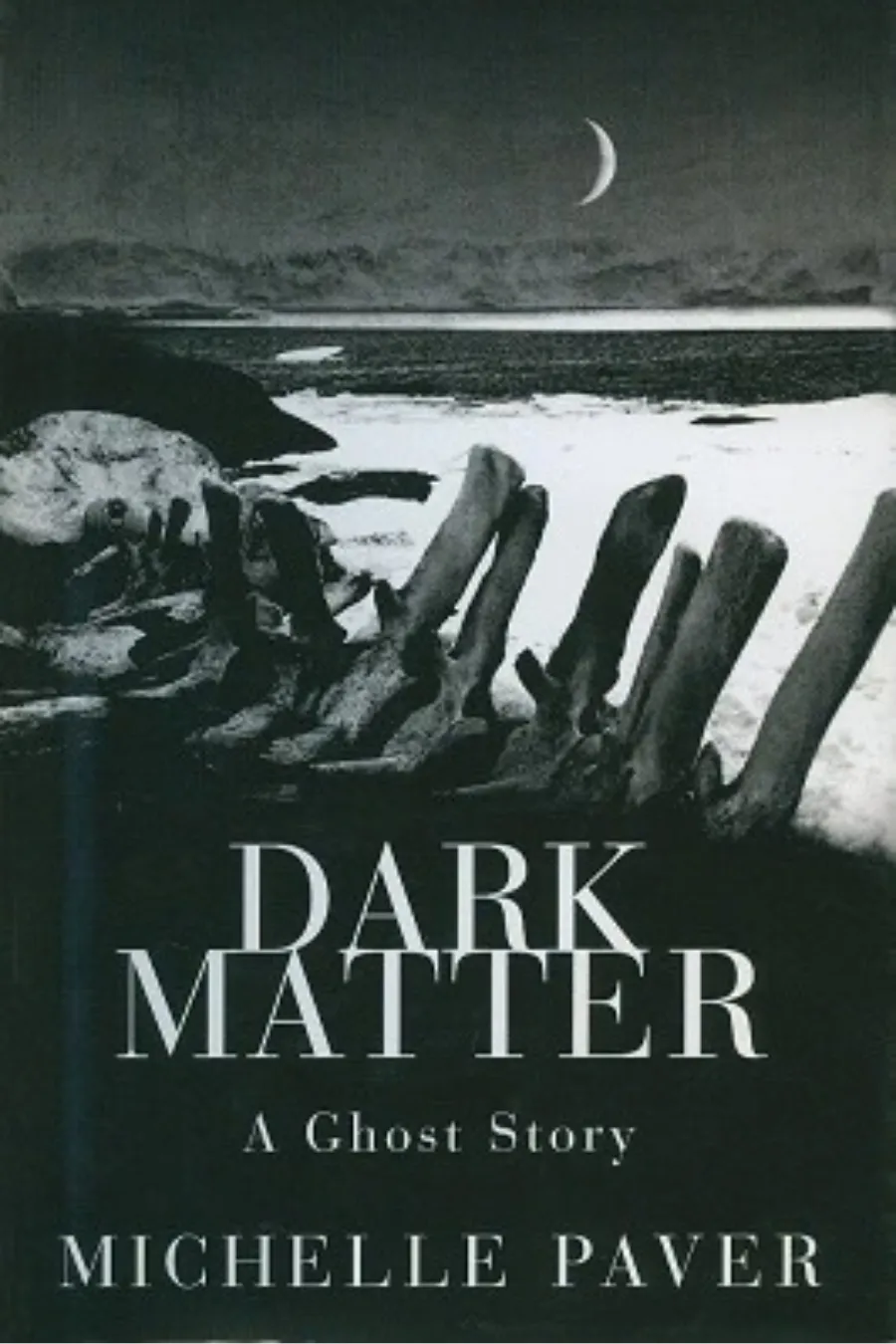
Forget haunted mansions for a minute. Let’s go somewhere much colder.
Dark Matter takes us to the Arctic in 1937, where Jack Miller joins an expedition heading to Gruhuken, a remote and largely uninhabited bay. The plan is to spend the winter there carrying out their work, which sounds perfectly reasonable until you remember that Arctic winter is basically nature’s way of saying, “You really should have stayed home.”
When the expedition arrives, it is still summer. There is daylight, the weather is manageable, and the landscape doesn’t immediately look like the setting of a ghost story. But the Arctic summer is painfully brief. As the days begin to shorten and the darkness gradually takes over, the expedition members start leaving one by one. Eventually, Jack is left increasingly alone at the remote settlement.
And then things start to feel wrong. There are strange sounds. Something seems to be moving around the camp. And as the long polar night settles in, Jack begins to suspect that Gruhuken may not be as deserted as everyone thought.
What makes Dark Matter so effective is that the setting does half the haunting for you. You have the isolation, the freezing temperatures, the silence, and that creeping loss of daylight, then Paver adds something much harder to explain. By the time the supernatural element really takes hold, you’re already trapped there with Jack.
Read this if: you want atmospheric horror, isolation, ghost stories, and the particular terror of being somewhere so remote that there is absolutely nobody around to hear you scream.
Wylding Hall by Elizabeth Hand
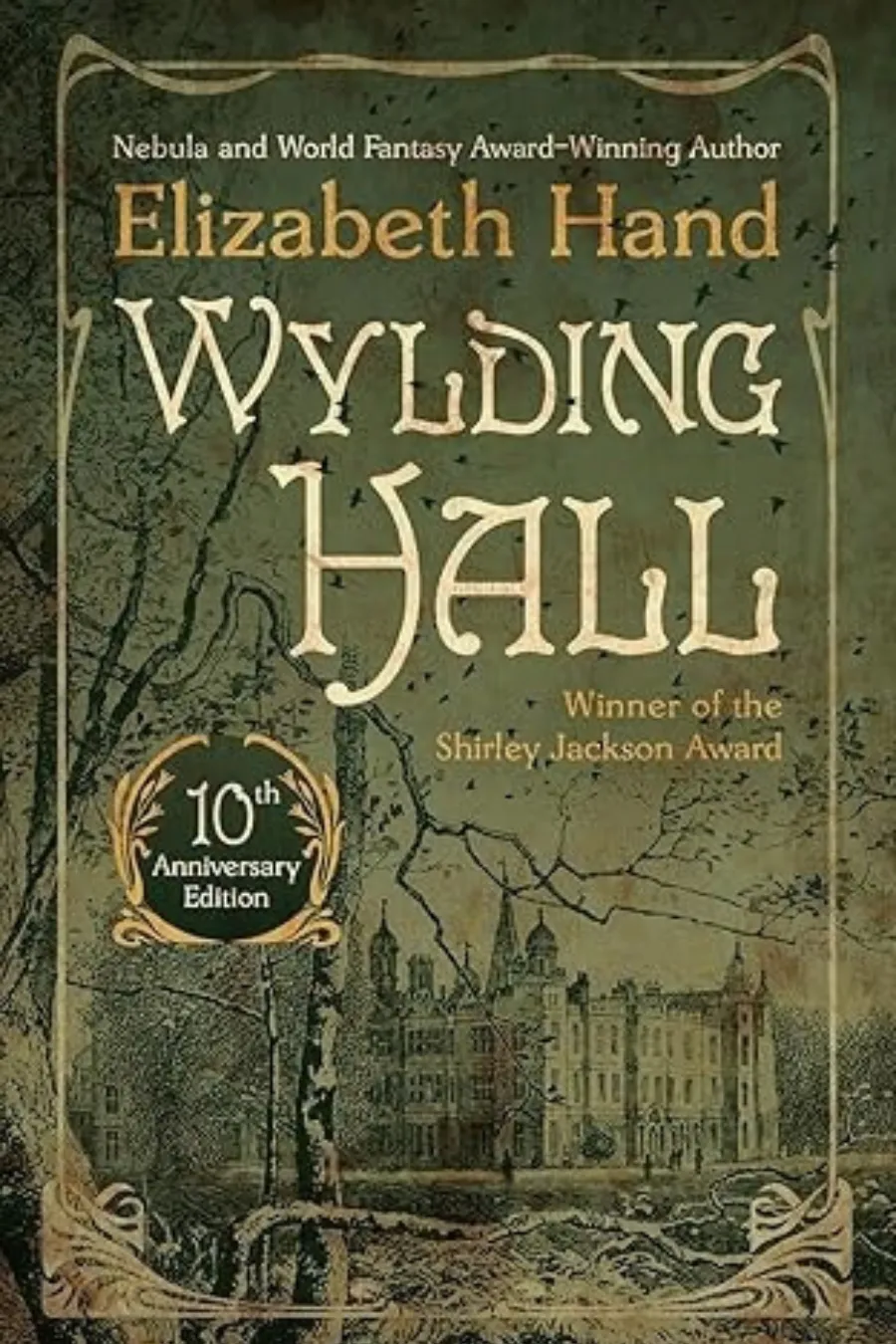
This might be the strangest book on the list, and I mean that as a compliment.
Wylding Hall revolves around a British acid-folk band that retreats to an ancient English country house to record an album. During that summer, their lead singer Julian Blake disappears inside the house and is never seen again.
Years later, the surviving musicians, friends, and lovers sit down with a documentary filmmaker to tell their different versions of what happened. But there’s a teeny-tiny problem: their stories don’t quite match. And somewhere in all those memories is the truth about Julian and Wylding Hall.
I love the setup because it feels like you’re watching an old documentary about a band whose most famous album has a story attached to it that nobody quite wants to explain. It’s atmospheric without being a conventional haunted-house novel, and the combination of folk music, English countryside, memory, romance and supernatural mystery gives it a wonderfully odd personality.
It also won the 2016 Shirley Jackson Award, so this isn’t just me dragging a mysterious little book out of a cupboard and insisting everyone read it. Although I would happily do that too.
Read this if: you like folk horror, mysterious houses, unreliable memories, music, and stories where everyone seems to know something you don’t.
The Halloween Tree by Ray Bradbury
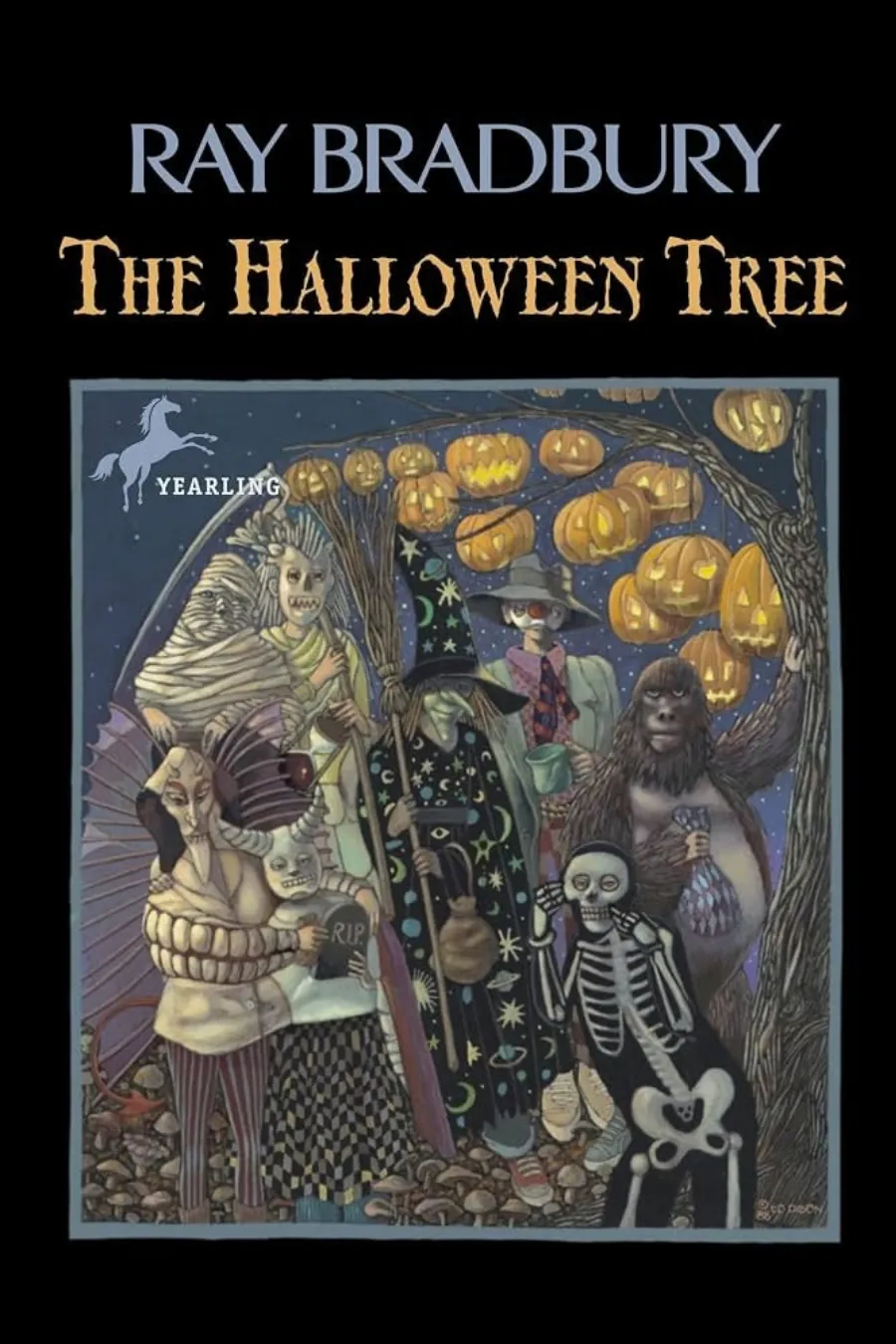
And now for something completely different.
Because October shouldn’t end with everyone hiding under their beds. Sometimes you want a book that simply feels like Halloween.
Ray Bradbury’s The Halloween Tree follows eight boys who set out to go trick-or-treating, only to discover that their friend Pipkin has disappeared. They are led on a strange journey through time and space by the mysterious Carapace Clavicle Moundshroud as they try to find their friend.
Along the way, they travel through different cultures and periods connected to the history and traditions of Halloween. And that’s why I wanted this book at the end. It isn’t simply trying to frighten you. It’s curious, strange, adventurous and completely wrapped up in the idea of Halloween itself. It’s also a relatively short read, so if you’re someone who hasn’t picked up a book in ages, this is one of those stories that doesn’t require you to sign a contract with your TBR pile.
Read this if: you want Halloween atmosphere, adventure, folklore, and a book that feels like October rather than simply being scary.
So, What Kind of Halloween Are You Having?
This is the part where I refuse to tell you which book is “the best,” because honestly, that depends entirely on what kind of October you’re trying to have.
- If you’re after a classic monster story, pick up Frankenstein.
- If you want a house that will make you suspicious of your own walls, go for The Haunting of Hill House.
- If you want a traditional ghost story, The Woman in Black has you covered.
- For a slow-burning Gothic mystery, try The Little Stranger.
- Want something more unusual? The Elementals brings the horror to the hot Alabama coast, while Dark Matter takes it all the way to the Arctic.
- If creepy Victorian houses and disturbing objects are your thing, there’s The Silent Companions. For something stranger and more folkloric, try Wylding Hall.
- And if you don’t actually want to be scared but simply want to feel like it’s Halloween, The Halloween Tree might be exactly what you’re looking for.
Welcome to Spooky Season, Readers!
So, happy October! Whether you’ve got a carefully planned Halloween TBR or you’re currently staring at this list thinking, I haven’t finished the book I started three months ago, this is your sign to pick something up.
You don’t have to call yourself a reader. You don’t have to read fifty books a year. You don’t even have to finish the book. October is just a particularly good excuse to give reading another shot because there are so many different ways to do it. Read a ghost story before bed. Read for twenty minutes instead of scrolling for twenty minutes. Read something ridiculous. Read something unsettling. Read something you’ve been meaning to read for five years. Just pick a book.
And if Halloween happens to be the thing that gets you back into reading, even better. Pick something eerie, something strange, or simply something you’ve been meaning to read for far too long. Need more reading inspiration? Come find your next book at The Reader Life.