
10 Best Fall Books on Kindle Unlimited: The Uncozy Edition
This post may contain affiliate links. As an Amazon Associate and Bookshop.org affiliate, I earn from qualifying purchases at no extra cost to you.
Table of Content
There are two kinds of people when fall arrives. There are those who want to curl up with a cozy romance, a pumpkin-spiced something, and a book where absolutely nothing terrible happens. And then there are people like me.
I don’t know what it is about fall, but this is the season when I suddenly want to read about haunted houses, doomed love, artistic obsession, death, madness, loneliness, morally questionable people, and characters making decisions that will ruin their lives for the next 300 pages.
Basically, I want to be sad, but in an aesthetically pleasing way. Fall feels like the perfect season for books that are atmospheric, a little strange, a little dark, and preferably give you something to think about after you’ve finished them. And thankfully, Kindle Unlimited has some surprisingly good options if you know what to look for.
So if you’re not exactly a cozy fall reading person, I’ve got you covered. These are some of the best fall books on Kindle Unlimited for when you want your autumn reading to be gothic, melancholic, thought-provoking, artistic, or just slightly unhinged.
And yes, there are a couple of books here that could technically be called cozy. I have also created a list of 10 books on KU that are worth all your time, despite the season!
Frankenstein by Mary Shelley
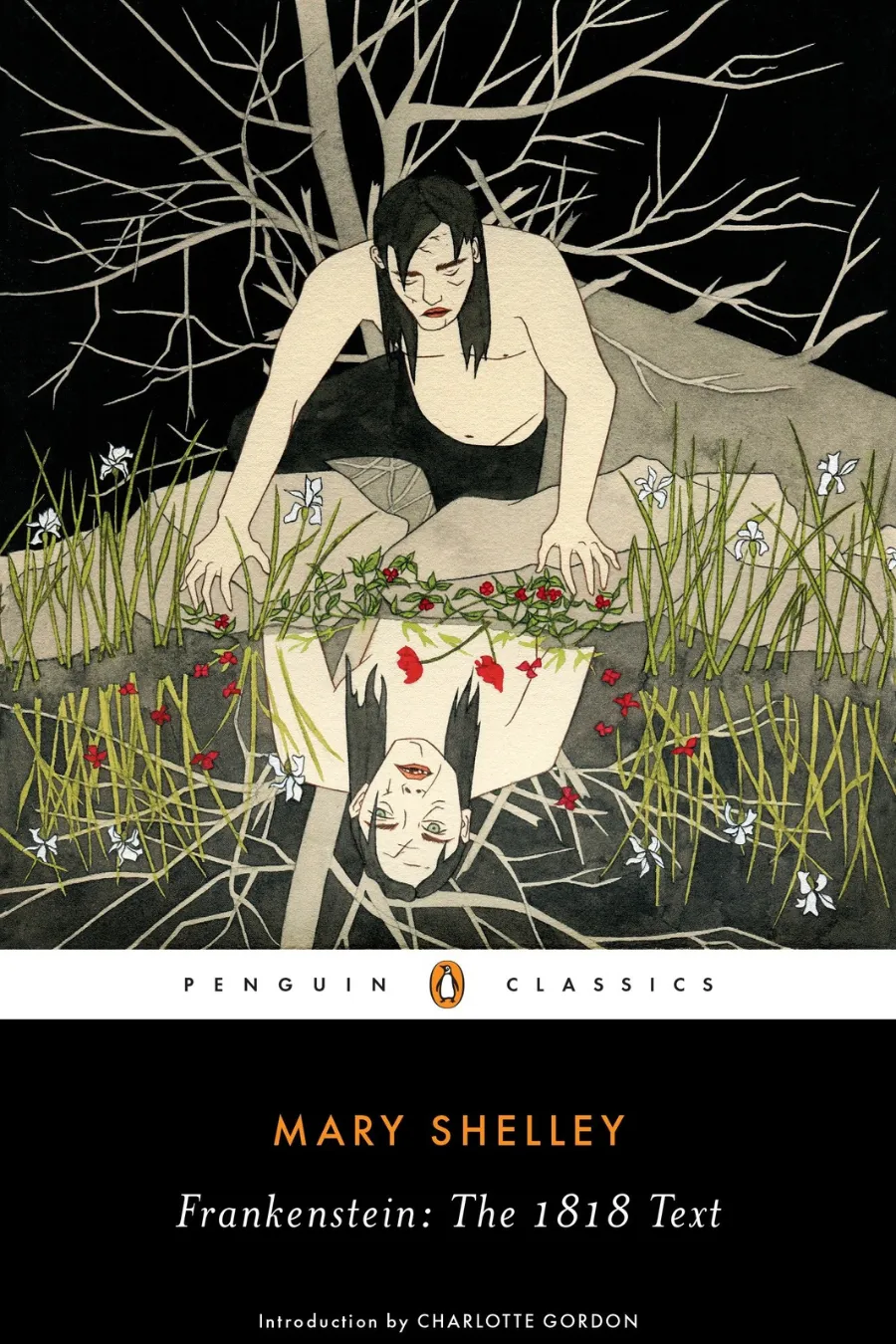
Genre: Gothic Fiction / Horror / Science Fiction
Length: 113 pages
Best for: Readers who want something dark, atmospheric, philosophical, and a little existential.
Frankenstein is my all-time favorite autumn read. I don’t know how else to explain it. This book is autumn for me.
Maybe it’s the cold landscapes. Maybe it’s the loneliness. Maybe it’s the obsessive scientist wandering around making increasingly terrible decisions. Maybe it’s the fact that everyone seems to be suffering in beautiful weather. Whatever it is, Mary Shelley somehow created the literary equivalent of October.
Victor Frankenstein becomes obsessed with discovering the secret of life and succeeds in creating a living being. The problem is that the moment the creature comes to life, Victor is horrified by what he has made and abandons him. And this is where Frankenstein becomes much more interesting than the “mad scientist creates monster” story most of us grew up hearing about.
The creature isn’t simply born evil. He experiences rejection, isolation and loneliness, and his desire for companionship gradually turns into anger and revenge. Victor, meanwhile, spends much of the novel running from the consequences of his own ambition.
So who is actually the monster? The creature who becomes violent, or the creator who refuses to take responsibility for what he created? That question is what keeps Frankenstein alive more than two centuries later.
It is a story about scientific ambition, yes, but also about loneliness, responsibility, parenthood, rejection, revenge and the human need to be loved. It is one of those classics where you finish a chapter and suddenly realize Mary Shelley was asking questions we are still arguing about today.
And if you manage to see Guillermo del Toro’s recent Frankenstein with Jacob Elordi, you’ll understand exactly what I mean about this story feeling cinematic in autumn. I reviewed that film too, and I genuinely think the book and the film make a fascinating pair.
If you haven’t read Frankenstein yet, this is your sign. Read it when the weather gets cold. Preferably with the lights slightly dimmed.
The Picture of Dorian Gray by Oscar Wilde
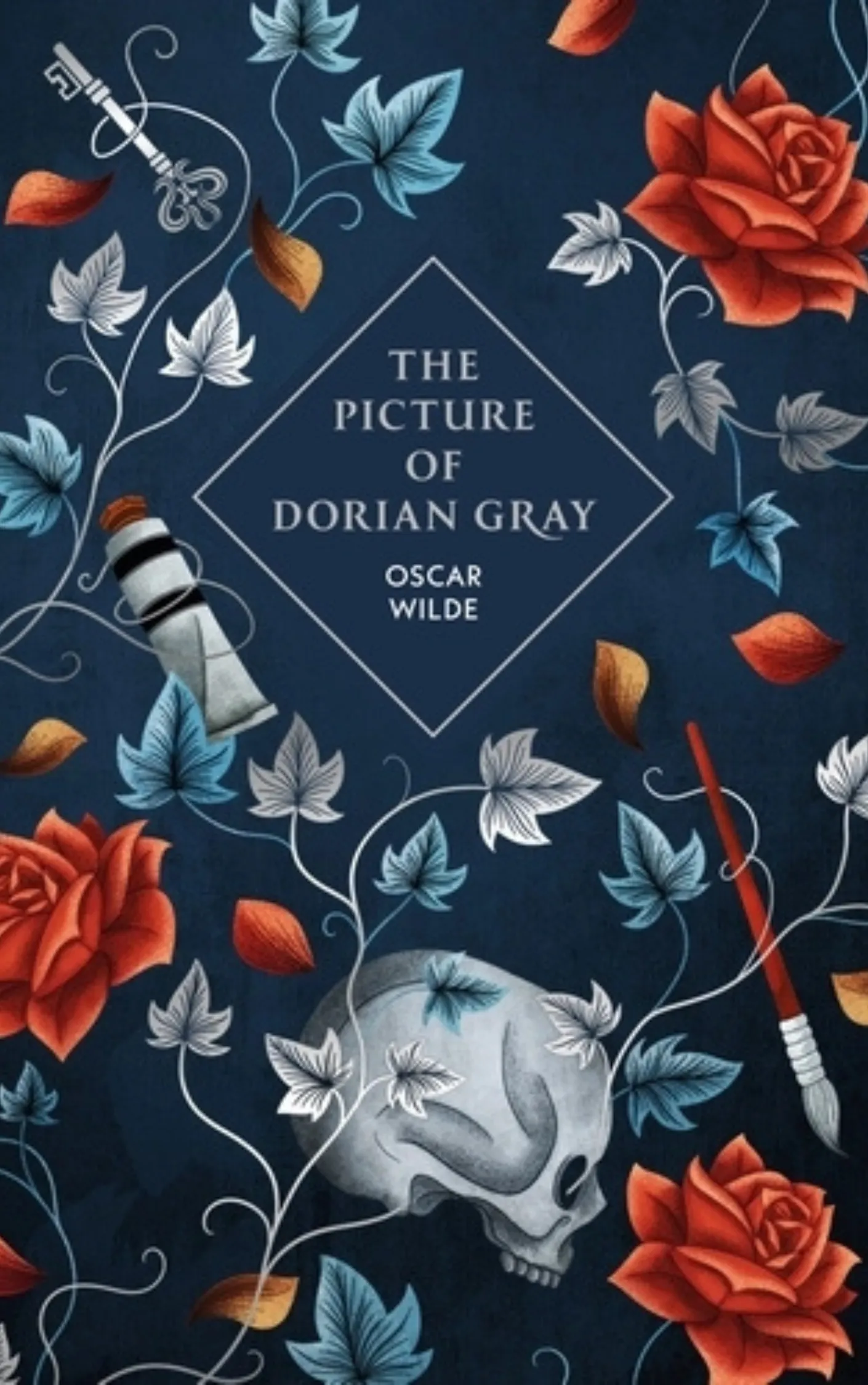
Genre: Gothic fiction, philosophical fiction, speculative fiction
Length: 202 pages, depending on the edition
Best for: Readers who like beautiful writing, questionable morals, decadent settings, and books that make you think
Ok so…how much of yourself would you sacrifice to remain beautiful, young, and untouched by your own choices? I mean…interesting question, wanna find out the answer? Read this book. Actually, no. I think The Picture of Dorian Gray is the kind of book you should read at least once every year. It is way too good.
Dorian Gray is young, beautiful and impressionable. After meeting the charmingly terrible Lord Henry Wotton, he becomes obsessed with youth, beauty and pleasure. When his friend Basil paints his portrait, Dorian wishes that the painting would age instead of him. And somehow, his wish comes true.
From there, Dorian gets to remain beautiful while the portrait records the moral consequences of his choices. Sounds like a pretty straightforward gothic story, right? Except Oscar Wilde makes it so much more interesting. This is a book about beauty, vanity, influence, art, morality, pleasure and the difference between looking good and actually being good.
And Lord Henry is one of those characters where you understand immediately why people find him fascinating and why you should absolutely not take his advice. The more Dorian becomes obsessed with appearances and pleasure, the more horrifying the contrast becomes between the beautiful man everyone sees and the corruption hidden behind the portrait. And Wilde is having so much fun with all of this.
His prose is witty, decadent and ridiculously quotable. You can read it for the gothic plot, stay for the philosophy, and then realize you’ve spent half the book thinking about whether beauty has any moral value. Is art supposed to teach us something, or is beauty enough? Can you separate who you are from what you do? And if everyone thinks you’re a good person, does it matter whether you actually are one?
That is why this belongs on a fall reading list for me. It is beautiful, dark, decadent and deeply uncomfortable. Basically, Oscar Wilde made existential dread fashionable.
And did you know that Kindle Unlimited is currently just $0.99 for your first 3 months? Honestly, if you’ve been meaning to read more, this is a pretty good excuse to start.
Rebecca by Daphne du Maurier
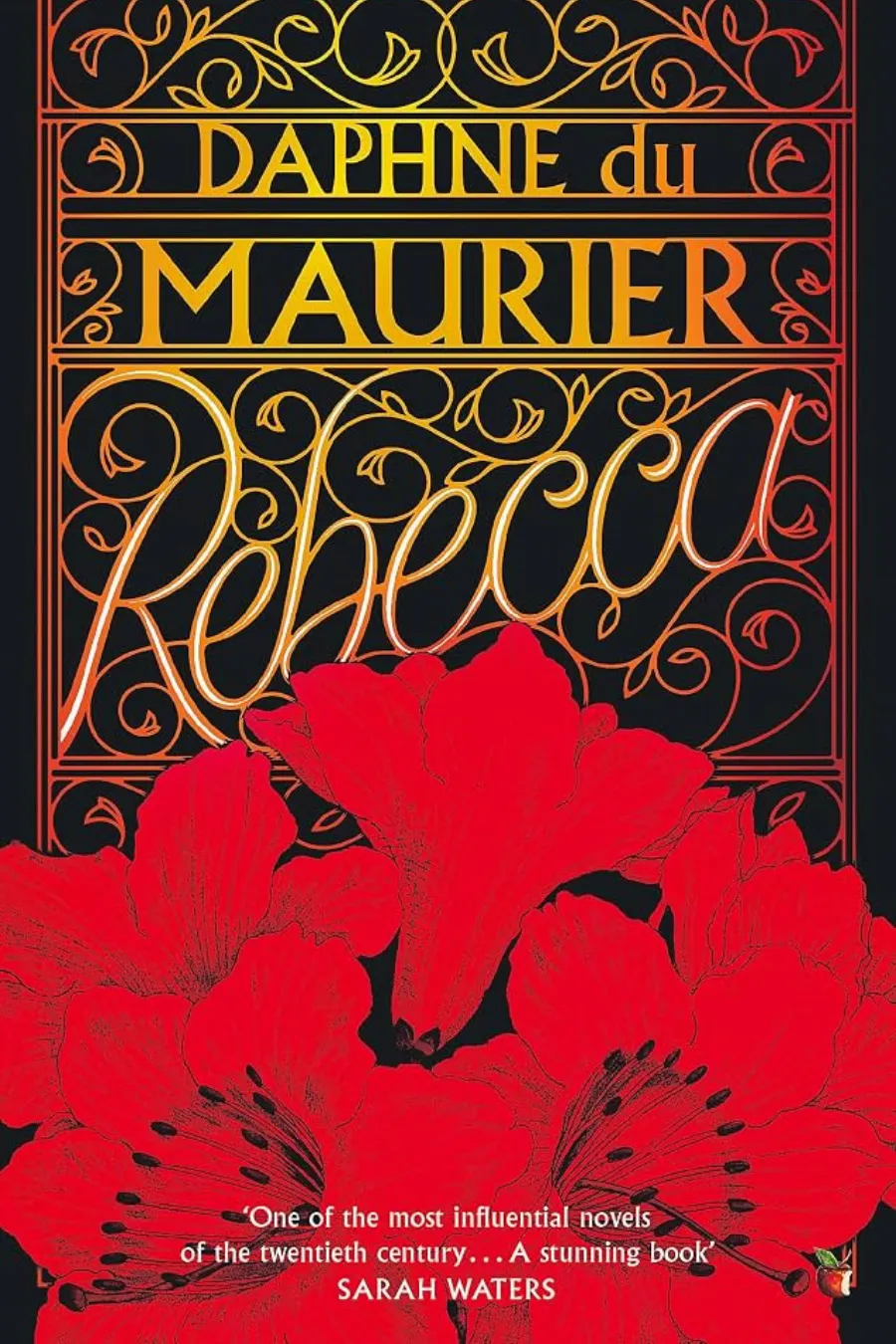
Genre: Gothic fiction, psychological thriller, mystery
Length: 442 pages, depending on the edition
Best for: Readers who love old houses, secrets, jealousy, and an atmosphere that gets creepier by the page
You marry a wealthy widower and move into his enormous country estate. Sounds romantic, right? Except everyone keeps talking about his dead first wife. And somehow, even though she is gone, she seems to be the most powerful person in the house.
That is the genius of Rebecca.
Our unnamed narrator arrives at Manderley feeling inexperienced and insecure, only to discover that she is constantly being compared with Rebecca, the glamorous woman who occupied the house before her. Rebecca is everywhere. Her clothes are still there. Her rooms are preserved. Her name keeps appearing in conversations. Mrs. Danvers, the housekeeper, is practically her high priestess.
And the more the narrator learns, the more she begins to wonder whether she ever really knew the truth about the woman everyone seems to remember as perfect. What I love about Rebecca is that the horror doesn’t come from a monster jumping out of a cupboard. It comes from memory. It makes you think: how much power can someone have over you simply because everyone remembers them differently? And how do you compete with a woman who has been turned into an impossible ideal because she is no longer around to contradict anyone?
There is also something much more interesting happening beneath the gothic mystery. The unnamed narrator has to figure out who she is while living in a house where another woman’s identity seems to occupy every room. Du Maurier turns Manderley into more than a setting; it becomes a psychological trap. And then there’s the jealousy, the insecurity, the secrets, the increasingly uncomfortable marriage, and the feeling that something is deeply wrong even when everyone is smiling politely over dinner.
This is the book for when you want your autumn reading to feel like fog, old houses, dark corridors and a secret nobody wants to tell you. Read it under a blanket. And maybe don’t investigate every noise you hear afterwards!
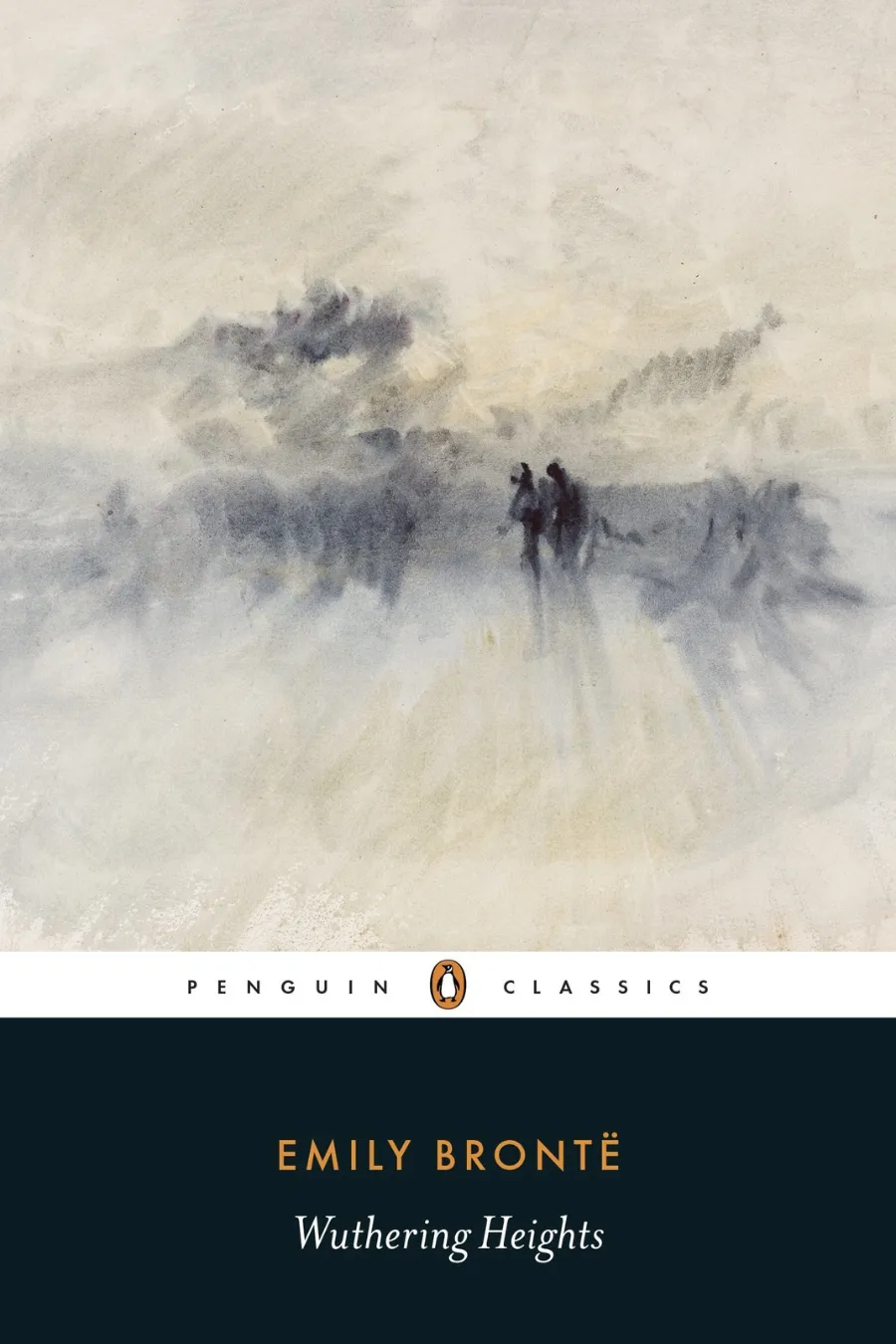
Wuthering Heights by Emily Brontë
Genre: Gothic fiction, classic literature, tragic romance
Length: 188 pages (Kindle format, usually it’s a bit bulky)
Best for: Readers who enjoy obsessive love, revenge, miserable people, and a truly dramatic atmosphere
Let’s get one thing out of the way: Heathcliff and Catherine are not relationship goals. And yes…these people need therapy!
Now that we are on the same page! Let’s discuss the book.
Emily Brontë gives us one of the strangest and most unforgettable stories about love, class, resentment, revenge and the inability to let go of the past. Catherine Earnshaw and Heathcliff grow up together on the Yorkshire moors and form an intense bond that seems to exist outside ordinary ideas of love. But social class, pride and Catherine’s decision to marry Edgar Linton push them apart.
And Heathcliff does not take the rejection particularly well. By “not particularly well,” I mean he spends years turning his heartbreak into a full-scale revenge project. The result is a novel where love and cruelty become tangled together so tightly that sometimes you aren’t sure whether the characters want each other, want to possess each other, or simply want the other person to suffer because they themselves are suffering. And that is precisely what makes Wuthering Heights so fascinating.
It would be easy to read it as a tragic romance, but I think the more interesting question is: what happens when love refuses to let go? Heathcliff gets much of what he wants. He gains status. He takes revenge. He hurts the people he believes have wronged him. And does it make him happy? Not remotely.
The moors, the storms, the isolation and the generations of people carrying old grudges around like family heirlooms make this almost absurdly autumnal. This is not a gentle love story. It’s wild, angry, obsessive and occasionally downright disturbing. And that’s exactly why I love it.
If you’re fascinated by the Brontë sisters, I’ve also delved into the extraordinary, complicated, and often overlooked lives behind the books. Read here!
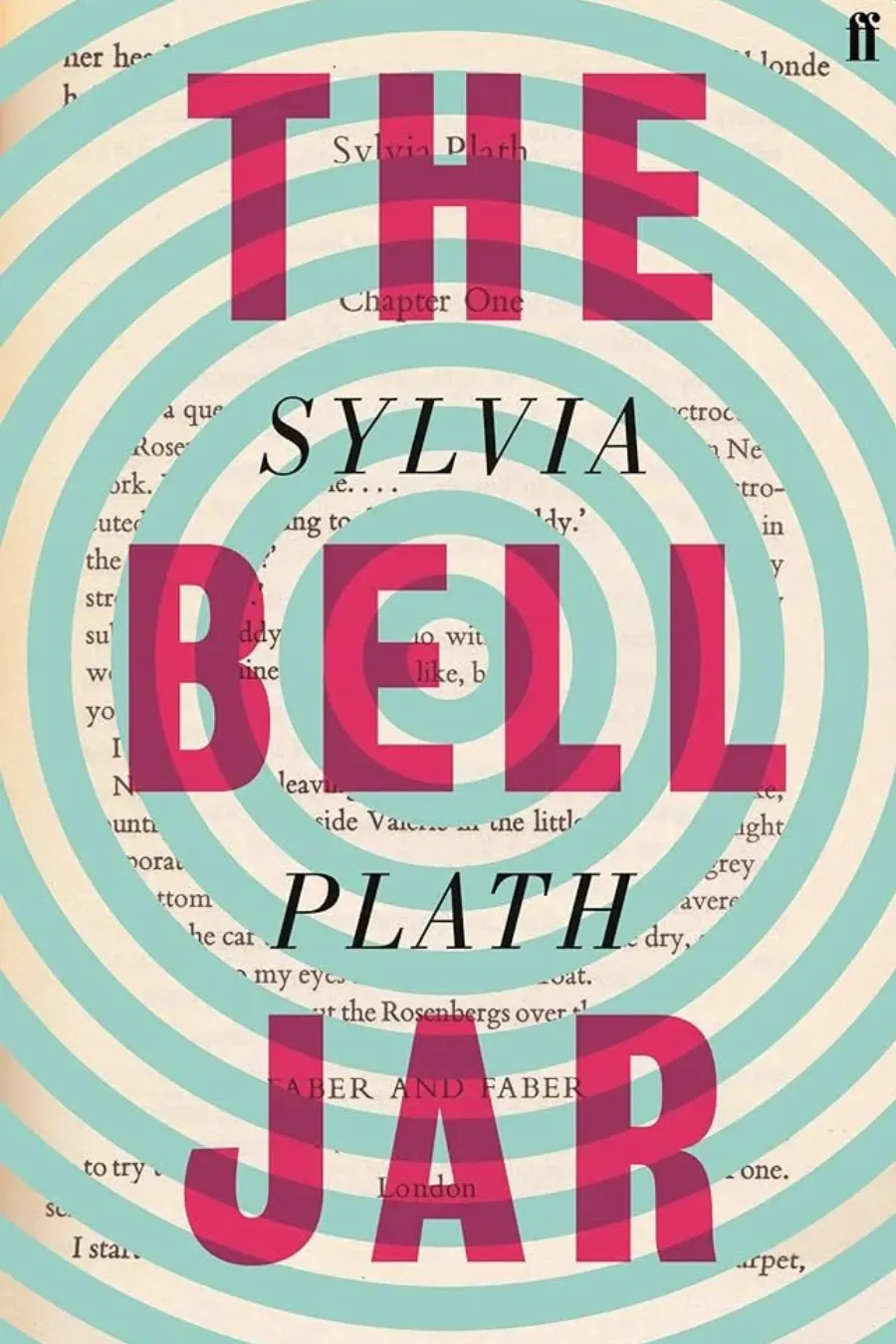
The Bell Jar by Sylvia Plath
Genre: Literary fiction, psychological fiction, coming-of-age
Length: 130 pages, depending on the edition
Best for: Readers interested in identity, expectations, ambition, and the darker side of growing up
The Bell Jar is one of those books that can be difficult to recommend casually because underneath its beautiful writing is a deeply painful portrait of a young woman struggling with depression, identity and the expectations placed upon her.
Esther Greenwood is intelligent, ambitious and talented. She wins an opportunity to work at a magazine in New York and appears to have exactly the kind of future people tell young women they should want. But something is wrong.
Instead of feeling excited about her future, Esther becomes increasingly detached from everything around her. Her ambitions, relationships and expectations begin to feel less like possibilities and more like traps. And eventually, the metaphor of the bell jar becomes terrifyingly real: she feels trapped beneath something invisible while everyone else seems to be breathing normally.
What makes Plath’s writing so powerful is that Esther isn’t simply sad. She is observant and funny. She is angry, confused, intelligent, and sometimes deeply uncomfortable to be around. She doesn’t neatly fit into the roles people have prepared for her. And honestly, who can blame her?
The novel explores the restrictions placed on women in the 1950s, especially the assumption that a woman’s life must eventually narrow down into marriage and motherhood. Esther wants more possibilities, but having too many possibilities can become its own kind of paralysis. And that question still feels incredibly relevant: what if having a thousand possible lives makes choosing one feel impossible?
This isn’t a cozy autumn read. But fall has always felt like a season for introspection to me, and The Bell Jar is about as introspective as books get. I’ve written much more about The Bell Jar and the strange way Sylvia Plath still manages to make modern readers feel seen, so if you’re interested in Plath beyond this list, definitely check that out too.
Just don’t pick this one up expecting a cheerful afternoon read. You have been warned!
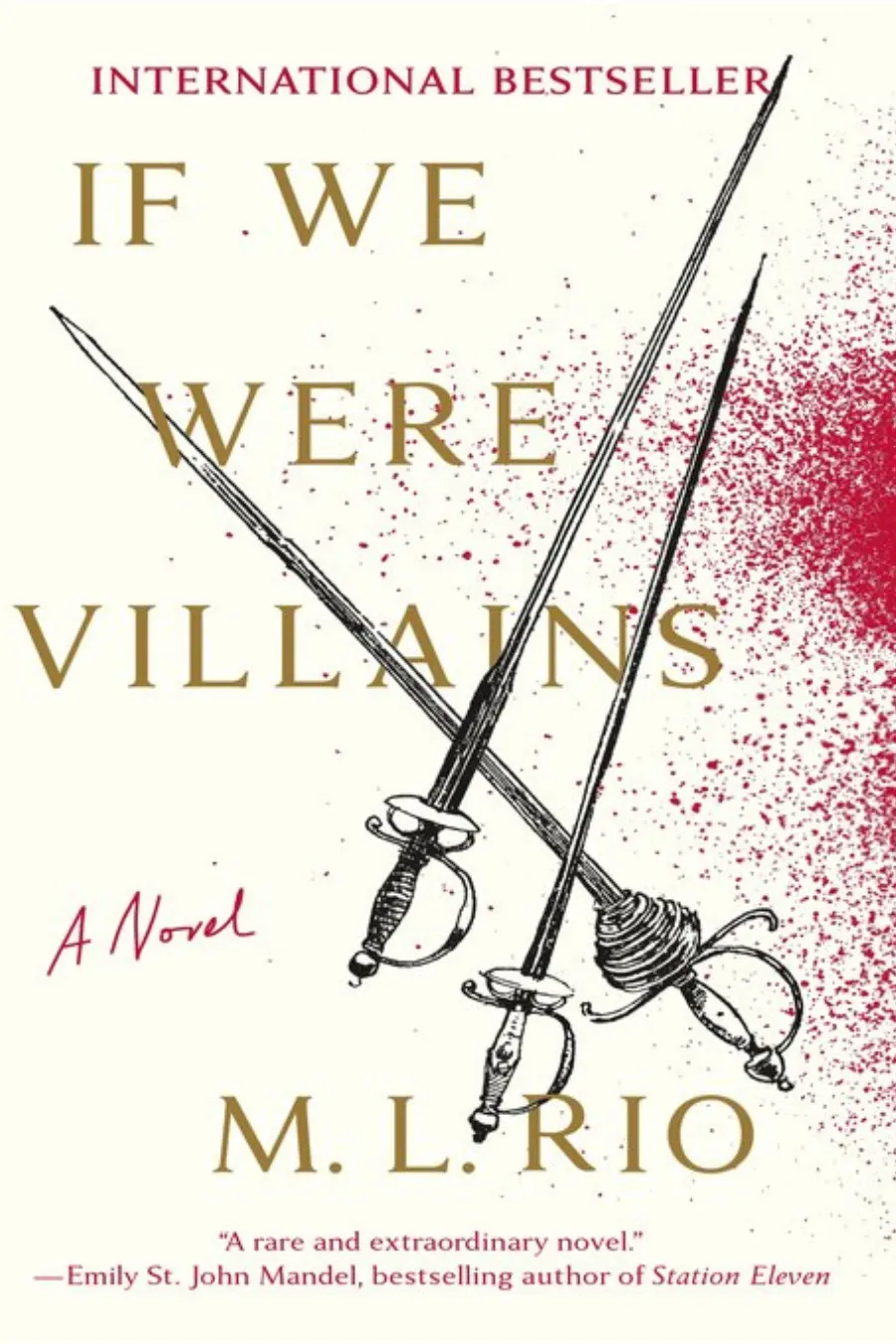
If We Were Villains by M. L. Rio
Genre: Dark academia, literary thriller, mystery
Length: 370 pages
Best for: Readers who want Shakespeare, secret societies, murder, and an unhealthy amount of theatrical drama
Shakespeare, murder, and people taking theatre WAY too seriously! That’s the whole deal with this book.
So we have seven Shakespearean actors, one murder, and a group of students who may have taken “all the world’s a stage” a little too seriously.
If We Were Villains follows Oliver Marks, who is released from prison after serving time for a crime connected to his final year at the Dellecher Classical Conservatory. Ten years later, he finally tells the detective what really happened.
And what happened is basically everything you would expect from putting Shakespeare, intense friendships, ambition, jealousy, competition and emotionally unstable young actors in one isolated institution. These students don’t just study Shakespeare. They practically live inside his plays.
They assign each other roles. They perform constantly. Their friendships begin to resemble the characters they play. Rivalries become personal. And eventually, the boundary between performance and reality starts to disappear. I love books about artists because they always leave me wondering where ambition stops being healthy and starts eating the person who has it. And If We Were Villains is particularly good at asking: how much of our identity is performance? Are we actually the people we believe ourselves to be, or do we slowly become whatever role everyone around us expects us to play?
Also, this is one of those books where you can practically smell the old books and theatre costumes. This book is firelight, leather-bound Shakespeare, secret conversations, a beautiful old conservatory, and yes there’s that murder too.
If you like dark academia but want something more theatrical than The Secret History, this is one I’d put very high on your list.
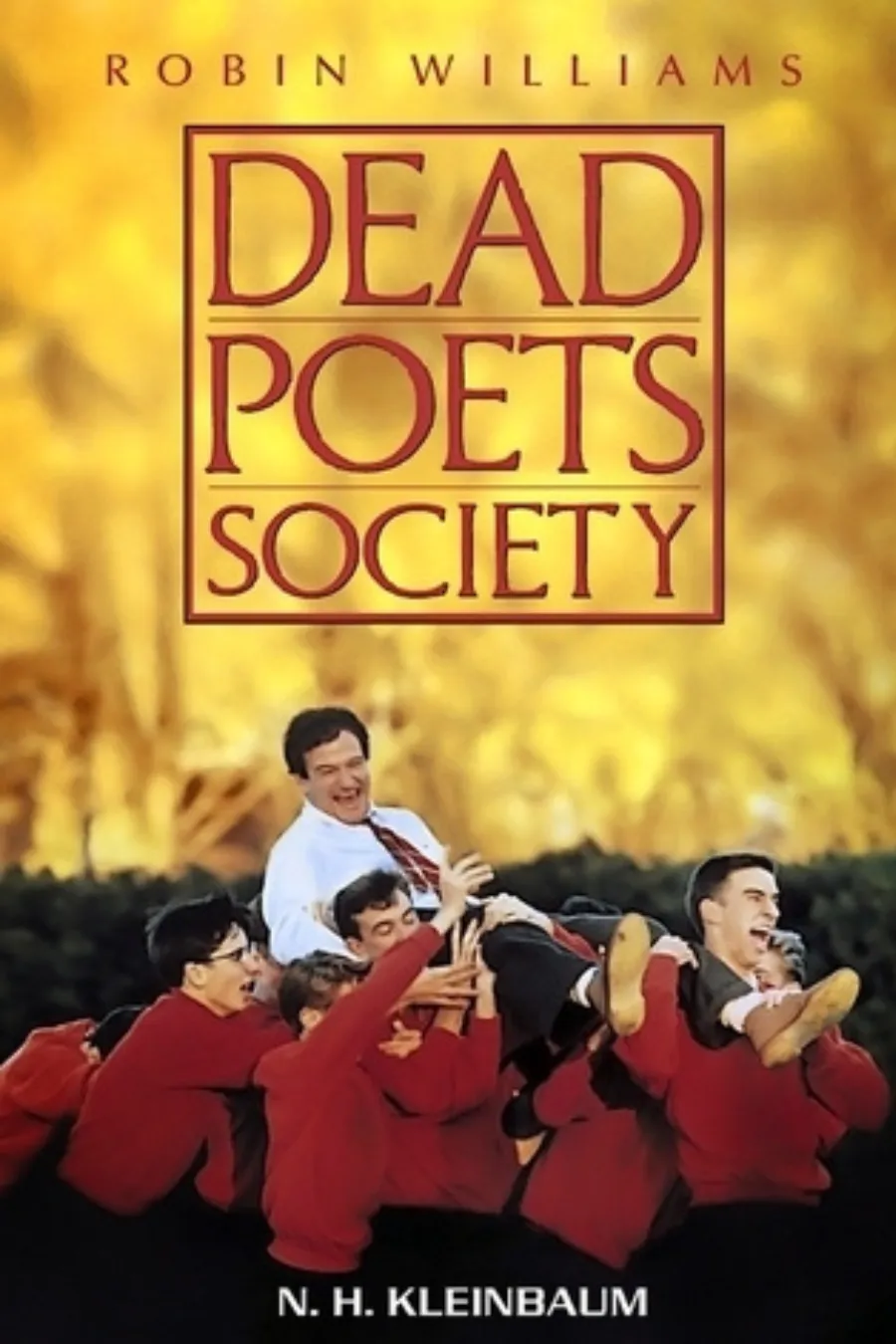
Dead Poets Society by N. H. Kleinbaum
Genre: Coming-of-age, literary fiction
Length: 133 pages
Best for: Readers who want poetry, old-school academia, rebellion, friendship, and a little heartbreak
So what’s all the fuss about Dead Poets Society? I mean…this book is always everywhere in fall!
Welcome to Welton Academy, where tradition, discipline and academic achievement are taken extremely seriously. Then John Keating arrives, and suddenly the boys are being told to look at the world differently. He encourages them to think for themselves, to read poetry, to make their lives extraordinary, and, naturally, the boys revive the secret Dead Poets Society!
I have to say, this is such a perfect autumn read.
You have an old boarding school, poetry, Shelley, Byron and Keats, secret meetings, candlelight, young people sitting around talking about life and death, and the slightly terrifying realization that you are young right now and might actually be wasting your life. What more do you want from fall? But underneath the carpe diem message is something much more complicated.
The boys are caught between their own ambitions and the expectations of their parents and school. Keating encourages them to find their own voices, but the novel also asks what happens when individual freedom collides with authority, fear and responsibility. You keep wondering: is following your dreams always brave? Or can “seize the day” become dangerous when you’re still learning how to understand the consequences of your choices?
That’s what makes Dead Poets Society more than just a book about a cool English teacher. It’s about identity, conformity, art, and youth. It is about the terrifyingly short distance between discovering your voice and realizing how much the world might resist hearing it. Also, it’s only around 133 pages in the Kindle edition I checked.
So if you’ve been putting it off because you don’t have time for another enormous novel, you have absolutely run out of excuses.
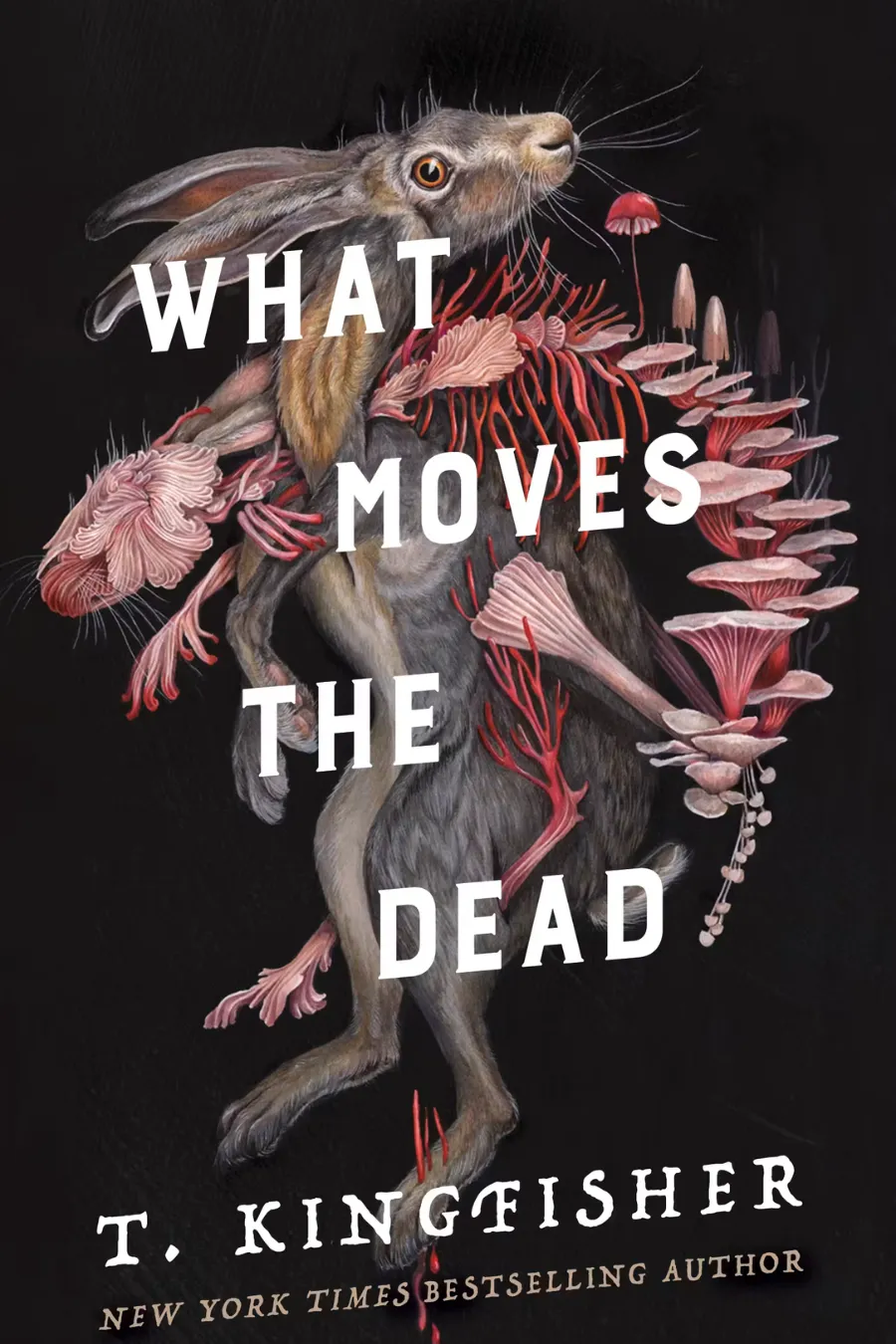
What Moves the Dead by T. Kingfisher
Genre: Gothic horror, dark fantasy, novella
Length: 163 pages
Best for: Readers who want something short, creepy, strange, and atmospheric
Now we’re getting properly spooky. What Moves the Dead is T. Kingfisher’s wonderfully strange reimagining of Edgar Allan Poe’s The Fall of the House of Usher.
Alex Easton, a retired soldier, receives word that their childhood friend Madeline Usher is dying and travels to the Usher family home. Unfortunately, the house is falling apart, the surrounding landscape is deeply unsettling, strange fungi are growing everywhere, the wildlife is behaving strangely, and Madeline herself is very much not okay.
What I particularly like about this book is that it doesn’t rely on atmosphere alone. Yes, the decaying mansion is creepy. Yes, the fungal growth is disgusting. Yes, there is a lake that seems to have developed its own personality. But the story also gives us questions about death, the body, identity, isolation and what happens when the thing you fear is not simply outside you but becoming part of you.
And Kingfisher has a great advantage here: the story is short. You don’t have to spend three weeks living inside a haunted mansion. You can get in, become concerned about mushrooms, question your life choices, and get out! Perfect.
If you like horror that actually has something going on underneath the horror, this is one of the best picks on this list. And if you’re familiar with Poe’s original, it’s even more fun to see what Kingfisher changes and why.
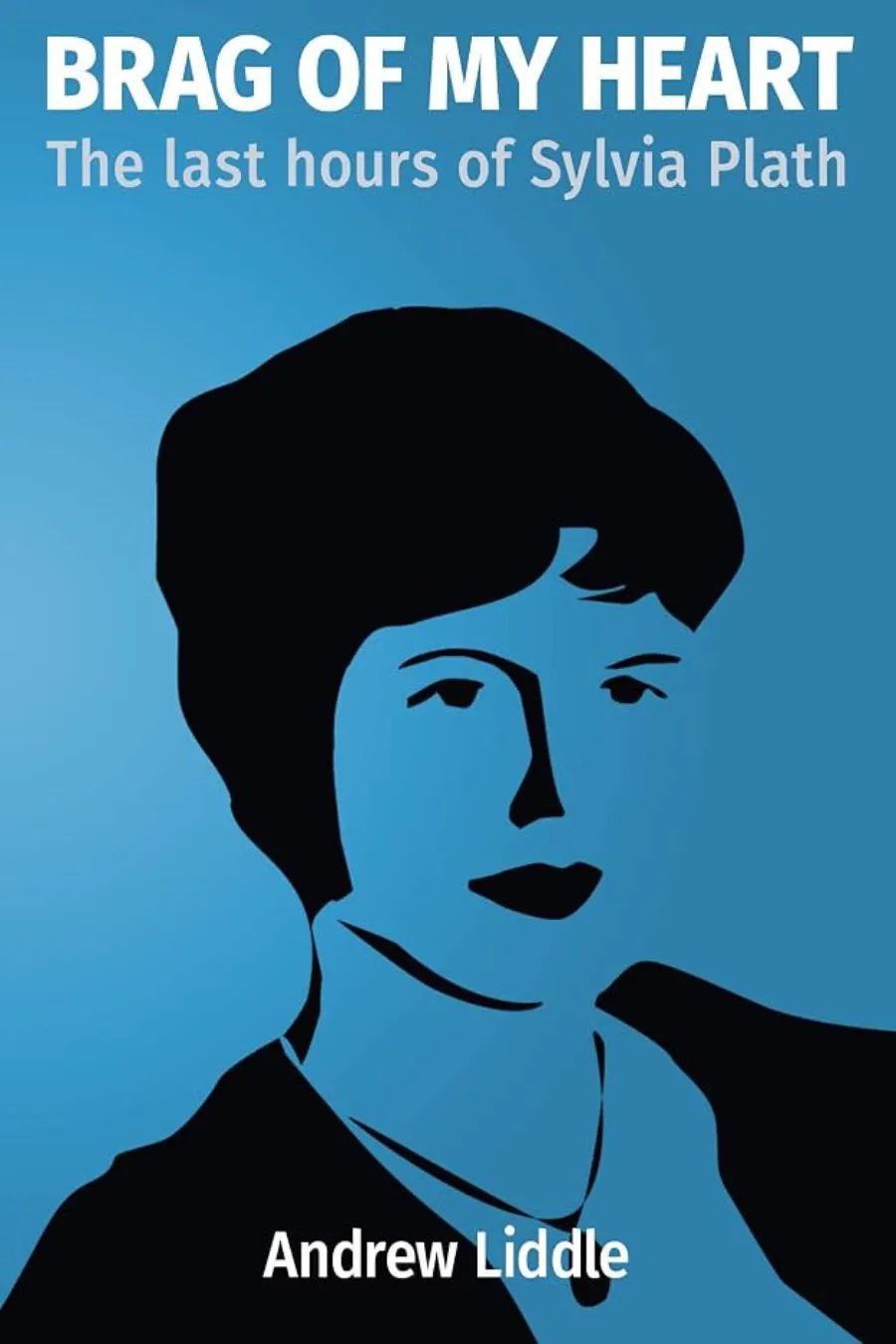
Brag of My Heart: The Last Hours of Sylvia Plath by Andrew Liddle
Genre: Literary fiction, historical fiction, psychological fiction
Length: 71 pages
Best for: Readers looking for something short, melancholy, and literary
I had never even heard of Brag of My Heart until I accidentally came across it on Kindle Unlimited. I picked it up because of Sylvia Plath, expecting a short literary read, and ended up finishing the whole thing in a single sitting. And honestly, I understand why I couldn’t put it down.
Liddle takes us into an imagined version of Sylvia Plath’s final hours, and the writing is so intimate that once you’re inside Plath’s head, you don’t particularly want to get out. There is something almost claustrophobic about being that close to a mind you already know is heading toward such a devastating ending.
It’s worth emphasizing that this is an imaginative exploration, not a factual reconstruction of Plath’s final thoughts. But as a literary exercise, I found the idea fascinating because Plath’s work has always made readers curious about the relationship between the woman, the poet and the mythology that developed around her after her death.
It isn’t really about giving you another biography of Sylvia Plath. It’s about trying to enter the emotional and creative chaos behind the person whose writing gave so many readers language for feelings they couldn’t explain themselves. And if you’ve already read The Bell Jar, the pairing becomes even more interesting.
One book gives you Esther Greenwood, a fictional character deeply connected to Plath’s own experiences. The other turns your attention toward Plath herself. Where does the writer end and the work begin? And how much of an author’s suffering are we entitled to turn into literature? That is what makes this such an intriguing addition to an autumn list.
It’s also, in my opinion, seriously underrated. I rarely see it mentioned, and I’m genuinely glad a random Kindle Unlimited search led me to it.
If you’re in the mood for something sad, beautifully written, and completely absorbing without committing to a chunky book, this is a gem!
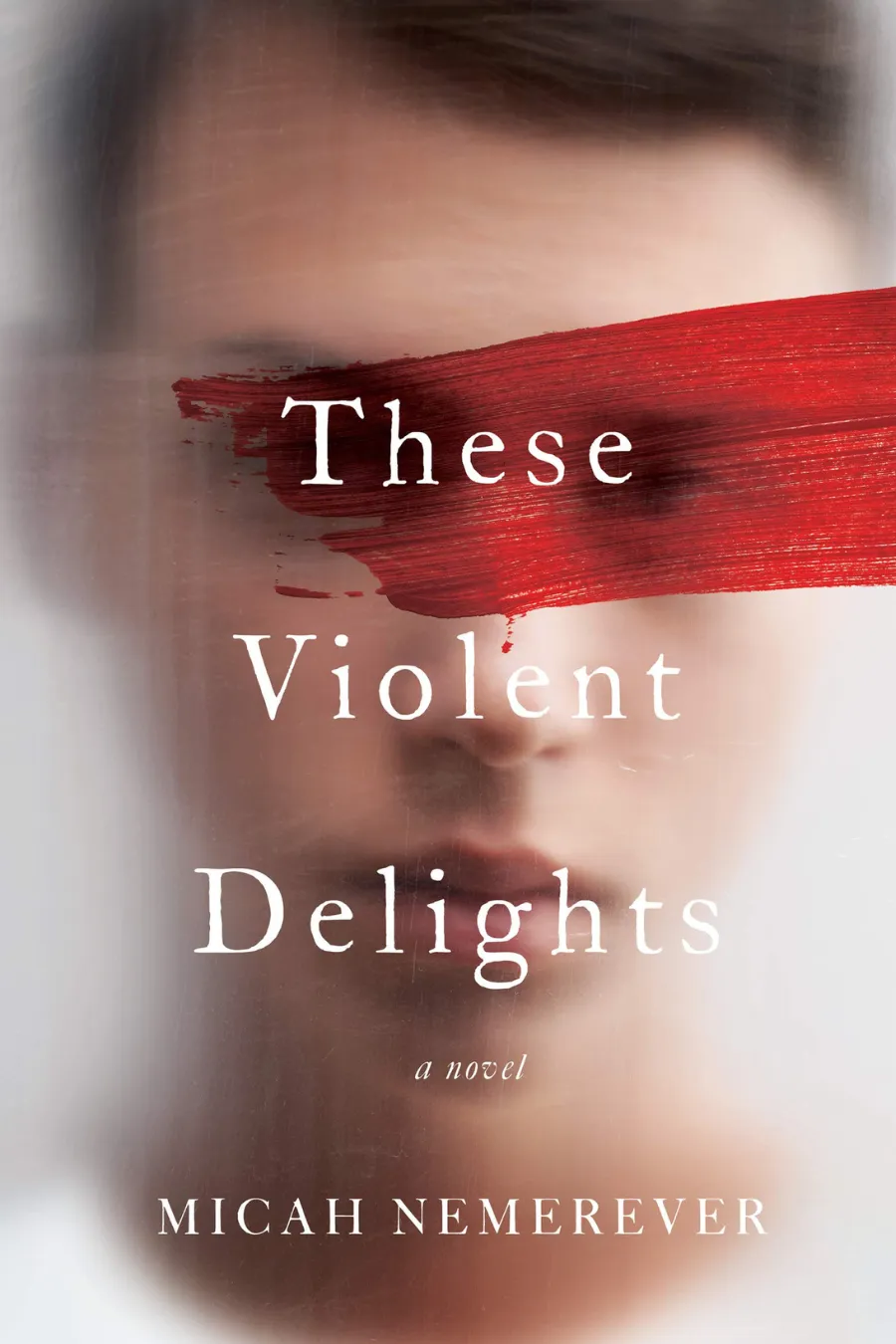
These Violent Delights by Micah Nemerever
Genre: Dark academia, literary fiction, psychological thriller
Length: 463 pages
Best for: Readers who like obsessive friendships, intellectual intensity, morally complicated characters, and dark academia at its darkest
If you like If We Were Villains but want your dark academia considerably more psychologically intense, meet These Violent Delights.
Paul enters university in 1970s Pittsburgh carrying grief after the death of his father and feeling painfully isolated. Then he meets Julian, a charismatic and intellectually confident student who seems to understand him in a way nobody else does. Paul becomes fascinated, then attached, then obsessed. And eventually, their relationship becomes so intense that the difference between love, friendship, dependence and possession begins to disappear.
The book has been compared to The Secret History, but I think the more interesting thing about it is how deeply it digs into loneliness and the need to be seen. Paul doesn’t simply want Julian’s friendship. He wants Julian to confirm that he matters, and once another person becomes responsible for your sense of worth, things can get very ugly very quickly.
The relationship becomes increasingly toxic and eventually pushes both characters toward an act of violence that neither can take back. What makes the novel especially fascinating is that it doesn’t let you stand comfortably outside the relationship and judge it. You get pulled into Paul’s perspective. You understand why he is drawn to Julian. You see how the obsession develops. And then you have to watch what that obsession turns into.
The question isn’t simply how far would you go for someone you love? It’s: how much of yourself are you willing to destroy just to be loved by someone else? That is a very different question. And a much more uncomfortable one.
At 400+ pages, this is definitely the commitment read on this list. But if you’re in the mood for something feverish, psychologically messy and darkly romantic without pretending obsession is healthy, this could be exactly what you’re looking for.
So, Which Fall Book Should You Read First?
That depends entirely on what kind of autumn you’re having.
If you want the ultimate autumn classic: Start with Frankenstein. This is still my personal number one.
If you want beauty, decadence and moral disaster: Pick up The Picture of Dorian Gray.
If you want a gothic mystery that will make you suspicious of every large house: Read Rebecca.
If you want obsessive love, revenge and stormy moors: Obviously, Wuthering Heights.
If you want something deeply introspective: Go for The Bell Jar.
If you want dark academia and Shakespeare: If We Were Villains.
If you want poetry, youth and an existential crisis: Dead Poets Society.
If you want genuinely creepy autumn horror: What Moves the Dead.
If you want something very short and literary: Brag of My Heart.
If you want obsessive, psychologically intense dark academia: These Violent Delights.
Basically, there is no wrong answer. Unless you pick a cozy pumpkin-spice romance when what you really wanted was a doomed Victorian man wandering across a moor. Then I cannot help you.
That’s A Wrap!
I think fall gets unfairly reduced to one very specific aesthetic. Cozy sweaters. Pumpkin spice. Candles. Small towns. People falling in love while simultaneously discovering the perfect little bakery.
And honestly? I love that for them.
But my fall reading has never really looked like that.
For me, autumn is when I want books that feel a little more atmospheric. Books with cold landscapes, old houses, secret societies, strange creatures, artistic obsession, complicated women, doomed relationships and characters who spend far too much time thinking about the meaning of their existence.
I want Frankenstein. I want Wuthering Heights. I want Oscar Wilde being dramatically decadent. I want Sylvia Plath making me question every life choice I’ve ever made. I want Shakespeare. I want gothic houses. I want poetry. I want a book that makes me close my Kindle and stare at the wall for a few minutes because apparently I now have something to think about. So yes, this is my uncozy fall reading list.
These books aren’t all dark in exactly the same way. Some are horrifying. Some are sad. Some are romantic. Some are funny. Some are philosophical. Some are about art. Some are about identity. And one of them contains enough suspicious fungi to make you look twice at your houseplants. But they all have something I look for in a good autumn read: atmosphere.
And, more importantly, something underneath it. Because if I’m going to spend my fall being dramatically melancholic, I at least want the book to give me something to think about. And thankfully, with Kindle Unlimited, you can try all sorts of reading moods without buying every book individually. So go ahead. Pick a book. Turn off the bright overhead light. Make something warm. Open the first page. And allow yourself to be just a little bit uncozy.
And if this is your kind of reading mood, stick around The Reader Life. There are plenty more books here for when you want to feel something, think about something, or simply disappear into a story for a while.


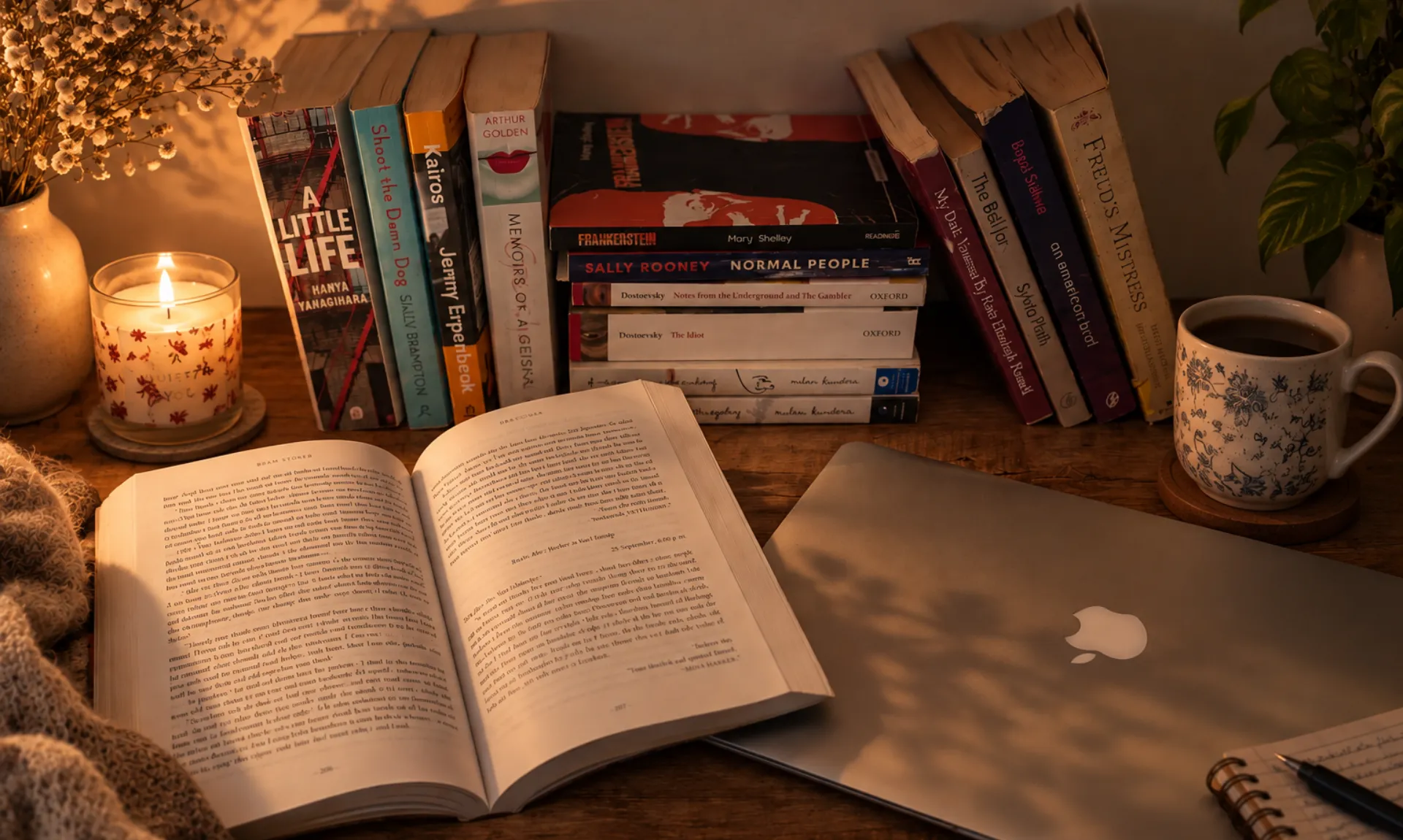
[…] Looking for something to read once you start your Kindle Unlimited trial? I recently put together a fall reading list with a slightly uncozy twist that’s perfect if you want your autumn reading to be a little darker, creepier, and more atmospheric. Check out my Fall Books to Read on Kindle Unlimited: The Uncozy Edition. […]