

This post may contain affiliate links. As an Amazon Associate and Bookshop.org affiliate, I earn from qualifying purchases at no extra cost to you.
Table of Content
There is still time to ruin your mental peace with a book.
Soon enough, we’ll be talking about gratitude, gathering around tables, baking things we probably don’t need to bake, and pretending that a feel-good story is exactly what our souls require. Thanksgiving is approaching, and with it comes the annual shift toward warmth, comfort, and remembering that perhaps the world isn’t entirely terrible.
But we’re not there just yet.
For now, there’s still room for morally questionable characters, crumbling university buildings, dangerous obsessions, Gothic mysteries, and people who desperately need therapy but would rather commit a crime. If you’ve been waiting for a sign to pick up a dark academia novel, consider this it.
Let’s make the most of these last properly gloomy reading days. We can put the psychological damage on pause for Thanksgiving, read something wholesome if the spirit moves us, and return to our regularly scheduled literary darkness in December. Because nothing says holiday season quite like a suspiciously beautiful old library and a protagonist making the worst decision of their life.
And since dark academia isn’t just about students wearing tweed blazers and looking miserable in libraries, I’ve put together a little mix of Gothic classics, modern literary obsessions, psychological thrillers, and academic mysteries. Some of these books practically invented the atmosphere; others have taken it somewhere much darker.
1. The Picture of Dorian Gray by Oscar Wilde
For anyone who enjoys beautiful prose, terrible decisions, and watching vanity turn into something genuinely horrifying.
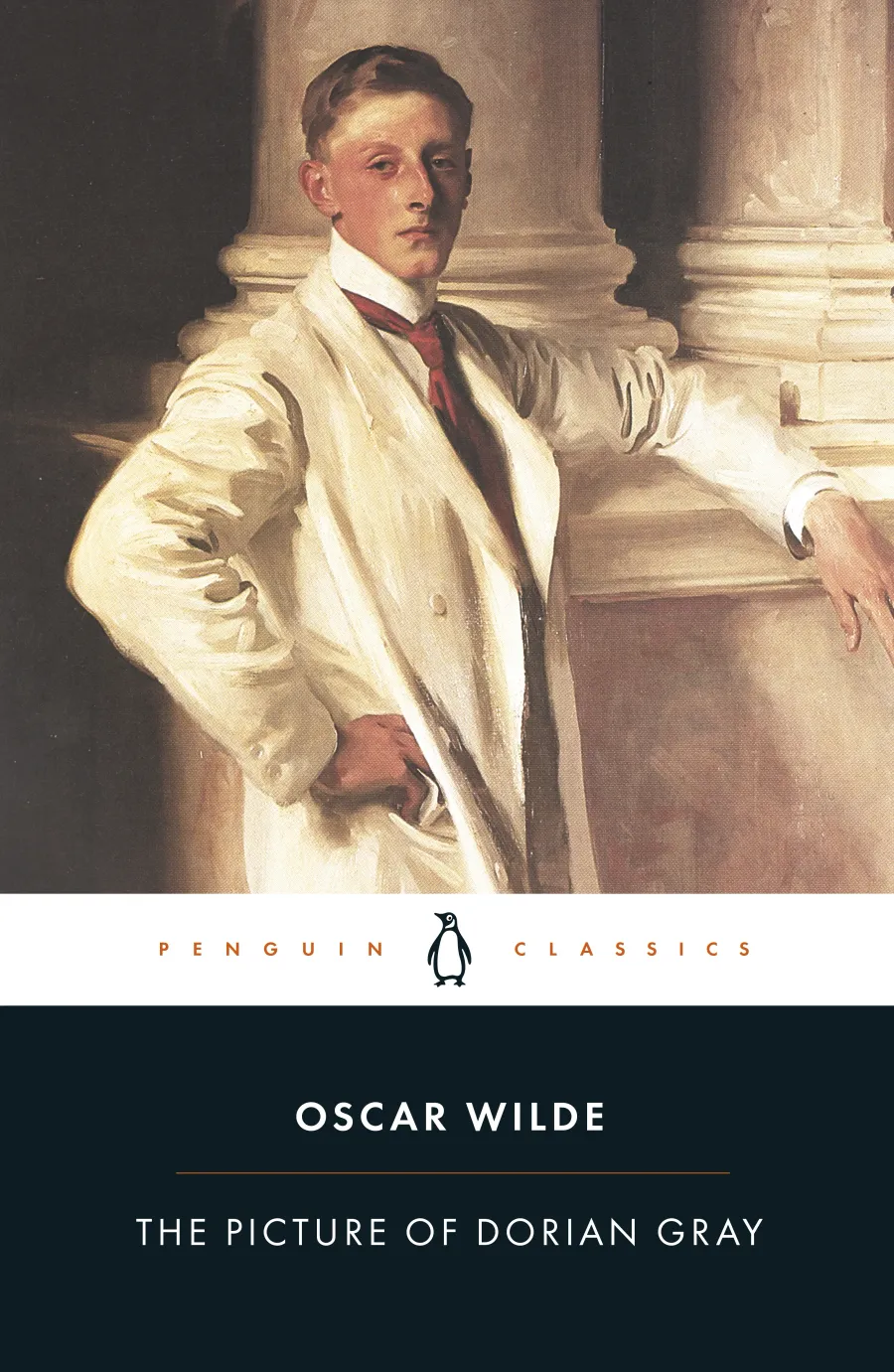
I don’t think there’s a season, mood, or reading challenge in existence that could stop me from recommending The Picture of Dorian Gray. I love this book. I recommend it when people want something dark, when they want something philosophical, when they’re looking for a classic, and probably when they ask me for a lighthearted weekend read. It’s simply one of those books that lives permanently in my recommendations, regardless of the circumstances.
The premise is deliciously unsettling. Dorian Gray is young, beautiful, and privileged, and he becomes increasingly obsessed with preserving his appearance. When a portrait is painted of him, he wishes that the painting would age instead of him. The wish comes true, but the consequences are far more disturbing than he could have imagined.
What makes The Picture of Dorian Gray so fascinating is that it isn’t merely about supernatural consequences or a man who refuses to grow old. It’s about vanity, corruption, influence, and the things people allow themselves to become when they believe they can escape the consequences of their actions. Dorian’s outward beauty becomes increasingly disconnected from the person he is inside, and that contrast is where the horror truly lives.
And the writing? Absolutely delicious. Oscar Wilde has a way of making even the most questionable observations sound clever enough to put on a wall, which is both a gift and a rather dangerous invitation to admire the wrong people. The novel is full of wit, but beneath that wit is a deeply uncomfortable examination of morality and beauty.
If you’re trying to squeeze one more dark read into your autumn schedule, make it this one. I will keep recommending The Picture of Dorian Gray until everyone has read it. Just pick the damn book. You won’t regret it.
Ready to read it? Get The Picture of Dorian Gray on Amazon · Bookshop
2. Strange Case of Dr Jekyll and Mr Hyde by Robert Louis Stevenson
For readers who like their Gothic mysteries short, unsettling, and a little too close to home.
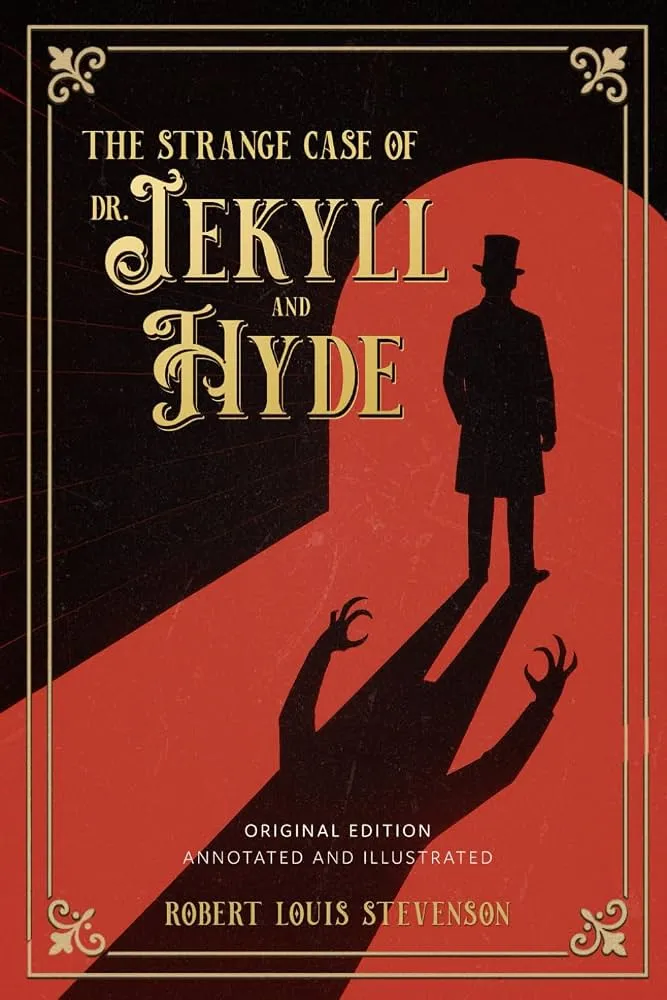
I own an illustrated edition of Strange Case of Dr Jekyll and Mr Hyde, and it is genuinely one of the most beautiful things ever. If someone touches that edition carelessly or suggests changing it, I might have to wage a small literary war. Some books are special because of the story, and some editions become treasures in their own right. Mine is both.
The story follows Dr Henry Jekyll, a respected man whose experiments lead to the emergence of the disturbing Edward Hyde. As the mystery unfolds, the people around Jekyll begin to question the connection between the two men and what it reveals about the doctor himself.
What makes Strange Case of Dr Jekyll and Mr Hyde such an enduring Gothic classic is its fascination with the parts of ourselves we prefer to keep hidden. The horror isn’t simply that something monstrous exists. It’s the possibility that the respectable person everyone admires and the person capable of terrible things might not be as separate as we’d like to believe.
Robert Louis Stevenson keeps the story moving through mystery, secrecy, and an increasingly disturbing sense that something is terribly wrong. It’s also a wonderful reminder that dark academia doesn’t need a modern university campus, a secret society, or 500 pages of brooding students to work. Sometimes all you need is a respectable gentleman, a locked door, and a very bad experiment.
If you’re looking for something shorter before the seasonal reading mood changes, this is an excellent choice. And if you can find a beautiful illustrated edition, even better. Just make sure you have somewhere safe to put it.
Ready to read it? Get Strange Case of Dr Jekyll and Mr Hyde on Amazon · Bookshop
3. Frankenstein by Mary Shelley
For readers who want scientific ambition, Gothic dread, and a story that asks who the real monster is.
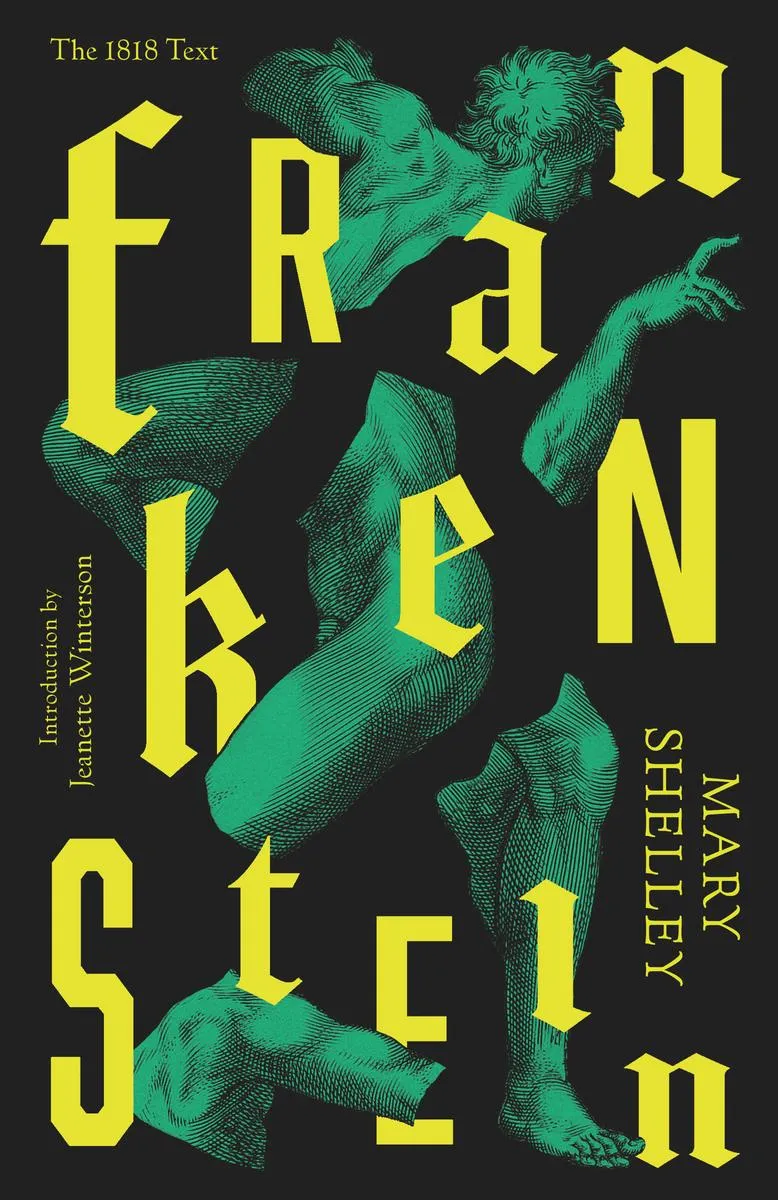
When people think of Frankenstein, they often picture a lumbering creature, a mad scientist, and a laboratory full of dramatic electrical equipment. The actual novel offers something much more interesting: a disturbing examination of ambition, responsibility, isolation, and the consequences of creating something without being prepared to care for it.
Victor Frankenstein is fascinated by the possibility of creating life. He pursues his ambition with extraordinary determination, but when he finally succeeds, he recoils from the being he has brought into existence. What follows is a tragic chain of rejection, loneliness, revenge, and suffering.
One of the most compelling aspects of Frankenstein is how it complicates the question of monstrosity. The creature is frightening, but he is also intelligent, emotional, and deeply affected by the way others treat him. Victor, meanwhile, is not simply a brilliant man who makes a scientific mistake. His refusal to take responsibility for his creation becomes central to the tragedy.
Mary Shelley wrote a novel that continues to feel relevant because its questions extend far beyond Gothic horror. What do creators owe their creations? What happens when ambition becomes more important than compassion? And how much of a person’s identity is shaped by the way the world treats them?
There’s also something wonderfully dark academia about the book’s intellectual ambition, obsessive research, and the pursuit of knowledge at a terrible personal cost. If you enjoy stories that combine speculative ideas with unsettling moral questions, you might also like our list of the best speculative fiction books to read this fall on Kindle Unlimited.
Frankenstein is a classic worth reading beyond Halloween. It’s atmospheric, tragic, and much more thoughtful than its popular adaptations sometimes suggest.
Ready to read it? Get Frankenstein on Amazon · Bookshop
4. The Secret History by Donna Tartt
For readers who want beautiful university surroundings, intellectual obsession, and a friend group that should absolutely not be left unsupervised.
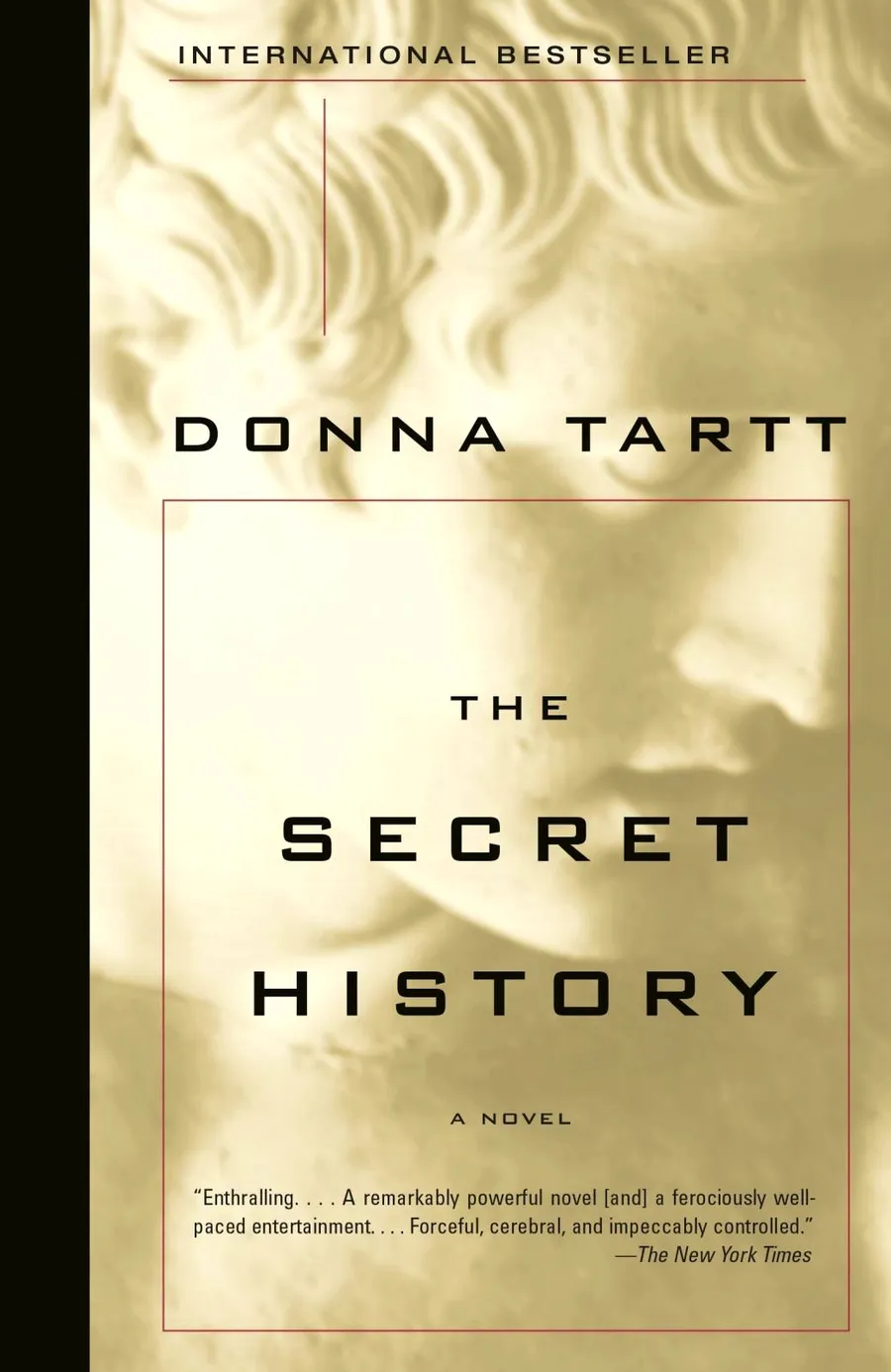
If dark academia had a definitive modern reading list, The Secret History would be difficult to leave out. Set at a small Vermont college, the novel follows Richard Papen, who becomes involved with an exclusive group of classics students studying under an enigmatic professor. Their intellectual world is insular, beautiful, and increasingly dangerous.
The book opens by revealing that a murder has occurred. Rather than making the mystery about simply discovering what happened, Donna Tartt focuses on how the students reached that point and how their relationships unravel in the aftermath. You know the destination early on; the real fascination lies in watching the characters travel toward it.
What makes The Secret History so absorbing is the way it turns academic fascination into something almost cult-like. The students aren’t merely interested in ancient Greek literature. They begin to treat their education, their professor, and their private world as if they exist beyond ordinary rules. Intellectual curiosity becomes entangled with arrogance, privilege, and a dangerous belief that certain people are somehow above everyone else.
And yes, the atmosphere is practically a character. There are secluded spaces, intellectual conversations, social hierarchies, and the sense that something is wrong beneath all that carefully cultivated beauty. The characters can be captivating without being particularly admirable, which is precisely what makes them so interesting to follow.
If you’re in the mood for a substantial novel that lets you settle into its world before slowly tightening the screws, this is an excellent pick. Just don’t mistake an expensive education and a love of the classics for evidence of good judgment.
Ready to read it? Get The Secret History on Amazon · Bookshop
5. The Talented Mr. Ripley by Patricia Highsmith
For readers who prefer psychological suspense, identity theft, and protagonists who make every situation considerably worse.
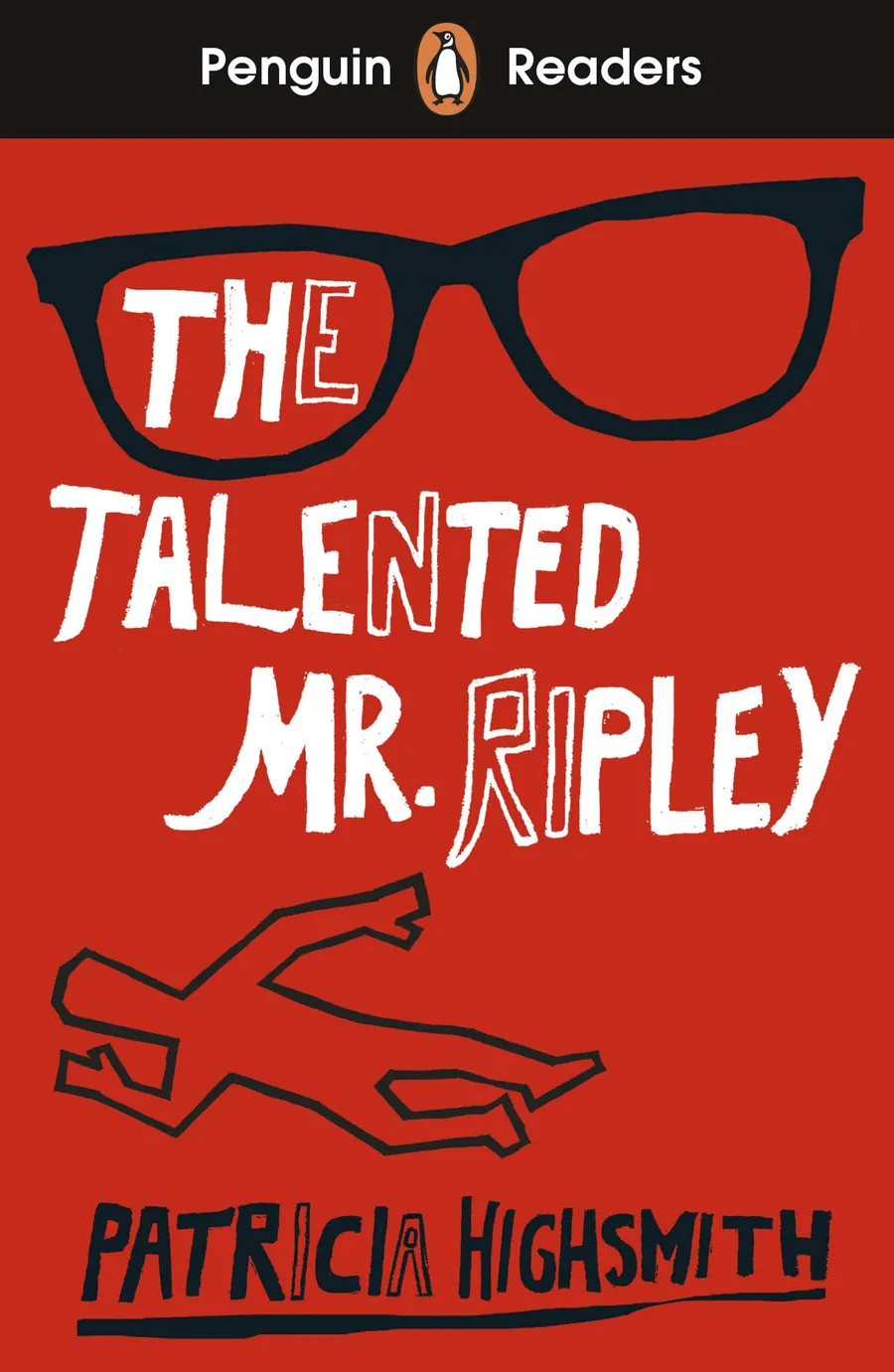
Tom Ripley is not the sort of person you’d want handling your finances, borrowing your clothes, or joining your holiday plans. In The Talented Mr. Ripley, he’s a young man who becomes entangled in the glamorous life of Dickie Greenleaf, a wealthy American living in Italy. What begins as an opportunity to enter a world of privilege turns into something much darker.
Tom is fascinating because he isn’t driven by one simple motive. He wants money, comfort, status, and the ability to move through the world as someone more impressive than himself. He’s also remarkably good at adapting to the people around him. The more he becomes invested in the identity he wants, the more disturbing his choices become.
Patricia Highsmith excels at creating tension without making every scene depend on an obvious threat. Much of the unease comes from being inside Tom’s mind and watching him rationalize things that should be impossible to justify. He can be charming, calculating, and frighteningly practical, sometimes all within the same stretch of the story.
Although The Talented Mr. Ripley isn’t a traditional university-set dark academia novel, it fits beautifully into a reading list built around obsession, deception, privilege, and the darker sides of ambition. The elegant surroundings only make the moral ugliness more striking.
If you enjoy psychological thrillers where the danger comes from the person you’re following rather than a mysterious stranger lurking in a hallway, add this one to your list. You can also explore our recommendations for fast-paced thrillers to read instead of doomscrolling if you want more suspenseful reading options.
Ready to read it? Get The Talented Mr. Ripley on Amazon · Bookshop
6. If We Were Villains by M. L. Rio
For readers who believe Shakespearean drama becomes even more entertaining when the students performing it have questionable judgment.
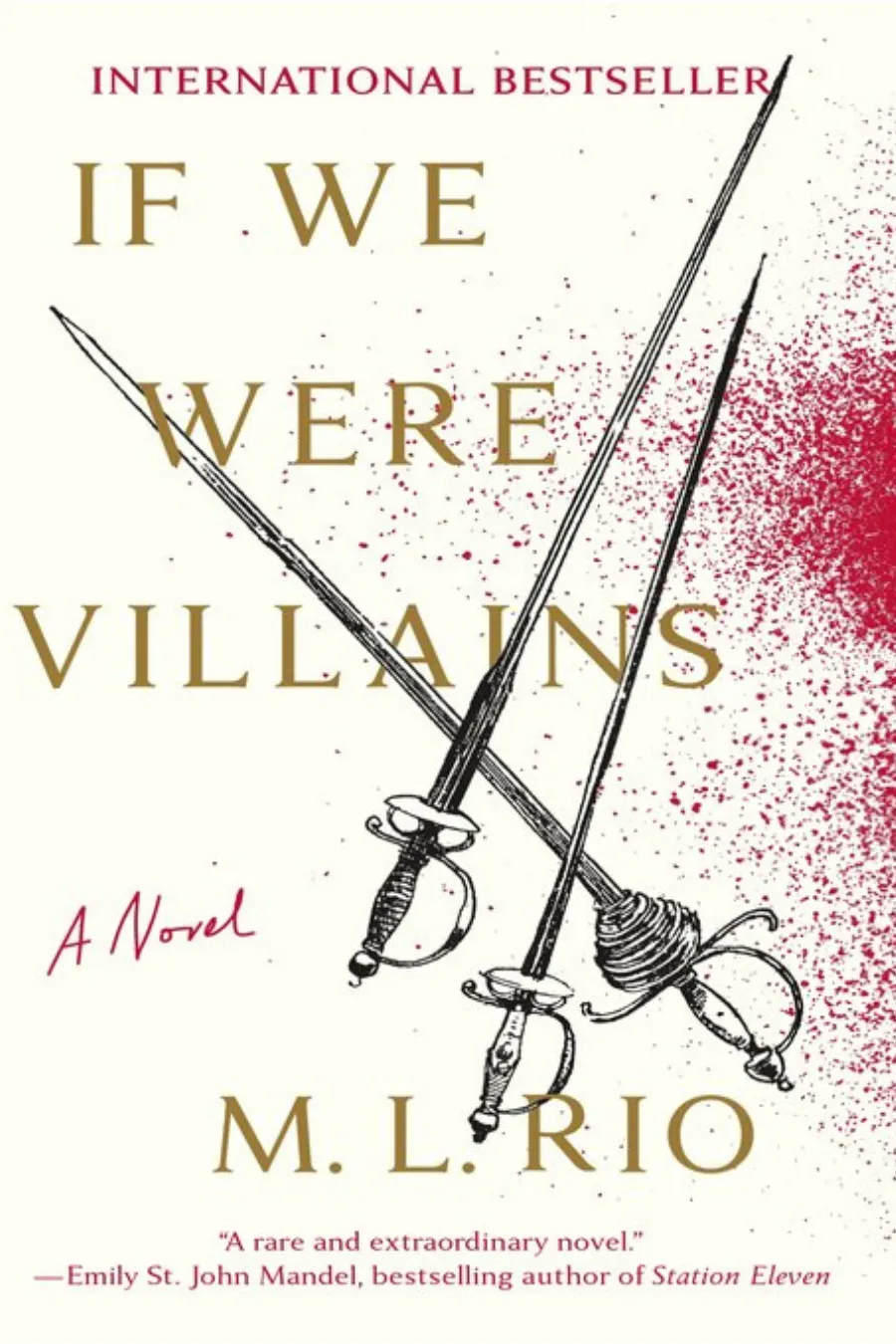
In If We Were Villains, a close-knit group of theatre students at an elite arts college spend their days immersed in Shakespeare. Their performances are intense, their friendships are complicated, and the distinction between the roles they play and the people they are becomes increasingly difficult to maintain.
When one of the students dies, the group is pulled into a mystery that will affect all of them. Years later, Oliver Marks is released from prison and must confront the events that shaped his life. The story moves between the past and present, gradually revealing how the group’s relationships, rivalries, and theatrical obsessions became entangled with something much more sinister.
What makes If We Were Villains so appealing to dark academia readers is its use of Shakespeare as more than a decorative literary reference. The plays provide a language through which the characters understand themselves, interpret each other, and sometimes excuse their own behaviour. Their performances become an extension of their private lives, and the consequences are anything but theatrical.
M. L. Rio also builds the story around the intensity of belonging to a small, exclusive group. These students know each other’s strengths, weaknesses, ambitions, and insecurities. That closeness makes their bond compelling, but it also creates an environment where resentment and suspicion can grow unchecked.
If you enjoy stories about beautiful artistic spaces concealing ugly secrets, this one deserves a place on your TBR. It also belongs on our list of unhinged books to read this Halloween if normal horror isn’t enough. Consider that your warning: these characters are not necessarily the people you want making decisions on your behalf.
Ready to read it? Get If We Were Villains on Amazon · Bookshop
7. Babel by R. F. Kuang
For readers who like their academic ambition mixed with colonial politics, linguistic magic, and uncomfortable questions about power.
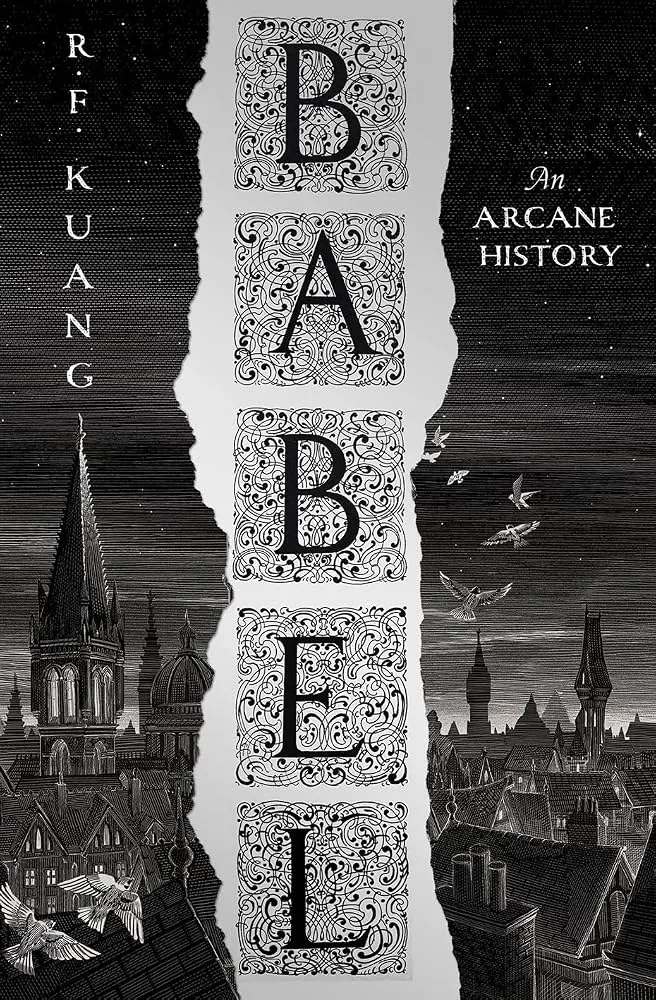
Babel takes dark academia into an alternative version of nineteenth-century Oxford, where translation and language are central to the workings of magical silver. The story follows Robin Swift, a Chinese boy brought to England and educated at Oxford’s Royal Institute of Translation. His academic success gives him access to a world of extraordinary knowledge, but it also places him inside a system built on unequal power.
The university setting is central to the novel, but this isn’t a story that treats academic achievement as an uncomplicated dream. Robin discovers that the institution offering him opportunity is deeply connected to imperialism and exploitation. As his understanding of the system grows, he must confront the uncomfortable relationship between the knowledge he gains and the structures that benefit from it.
What makes Babel particularly compelling is how it connects language to power. Translation isn’t simply a scholarly exercise here. It has material consequences, and the people who control knowledge can influence who benefits from it. The magical premise allows the novel to explore questions about culture, labour, identity, and resistance in a way that feels both imaginative and politically grounded.
R. F. Kuang creates a world that rewards readers who enjoy pausing to think about the ideas beneath the plot. The book is substantial, sometimes challenging, and more interested in complicated moral questions than easy answers. Its characters are forced to consider what they owe to one another and what resistance might demand from them.
If you want dark academia with more than secret societies and suspicious university traditions, Babel is a strong choice. It offers the intellectual atmosphere associated with the genre while questioning the very institutions that make that atmosphere possible.
Ready to read it? Get Babel on Amazon · Bookshop
8. Ninth House by Leigh Bardugo
For readers who want elite university secret societies, occult mysteries, and an atmosphere that feels genuinely dangerous.
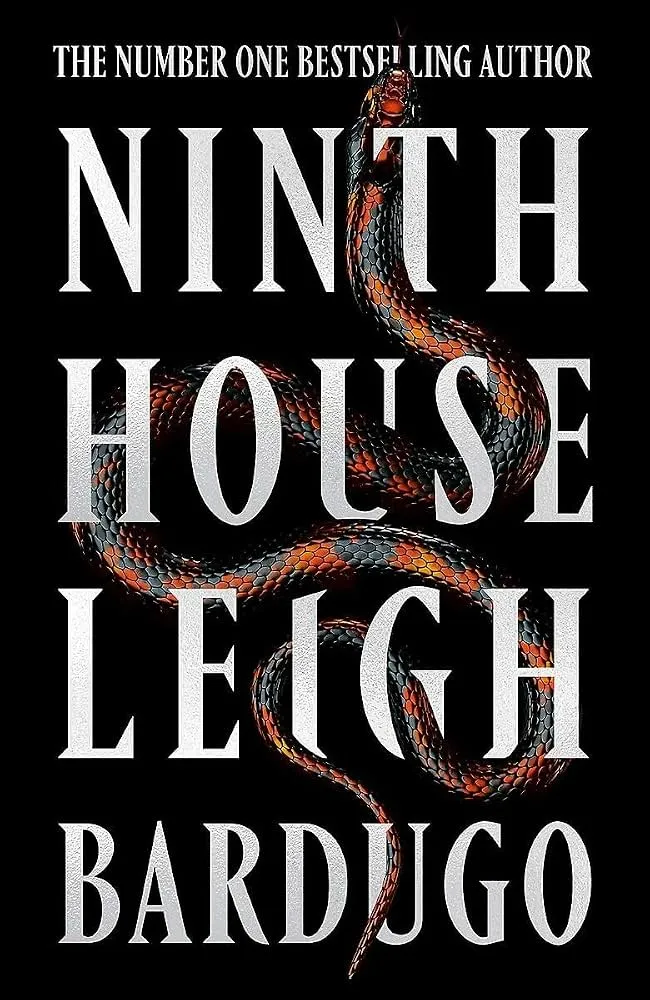
Yale University is already an intimidating setting for anyone who has ever worried about academic pressure, but Ninth House takes the university experience in a decidedly supernatural direction. The novel follows Alex Stern, a young woman recruited to monitor Yale’s secret societies, whose rituals involve occult practices and forces that are far more dangerous than their privileged members would like to admit.
Alex is an unusual protagonist for this world. She has a difficult past, doesn’t fit comfortably into the polished environment around her, and has been given access to a system that operates largely beyond public scrutiny. Her assignment becomes increasingly complicated when a murder raises questions about what the societies are doing and who is protecting them.
One of the most effective elements of Ninth House is its treatment of privilege. The secret societies possess influence, resources, and access that ordinary people don’t. Their supernatural activities become another way to explore how power can shield people from consequences, even when the harm they cause is very real.
Leigh Bardugo blends campus intrigue with supernatural horror, giving the novel a darker edge than a straightforward university mystery. The atmosphere is unsettling, the secrets are layered, and the story isn’t afraid to examine the uglier realities hiding behind prestige.
This is a particularly good choice if you want dark academia with a more overt fantasy element. The university is not merely a backdrop for intellectual obsession; it’s a place where power, violence, and the supernatural intersect. If your ideal autumn read includes ancient rituals and institutions that should probably be investigated by several authorities, start here.
Ready to read it? Get Ninth House on Amazon · Bookshop
9. The Lake of Dead Languages by Carol Goodman
For readers who enjoy secluded schools, dangerous secrets from the past, and mysteries that refuse to stay buried.
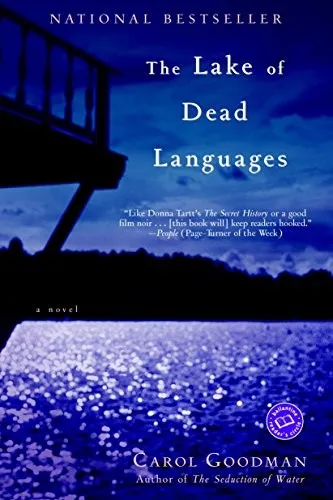
In The Lake of Dead Languages, Jane Hudson returns to the boarding school where she once studied, taking a teaching position at the same secluded institution that shaped her adolescence. The school sits beside a lake, and its atmosphere is steeped in memories Jane would rather not revisit. When disturbing events begin to echo incidents from her student days, the past becomes impossible to ignore.
The academic setting is especially effective because the school is both familiar and threatening. It is a place of education, routine, and tradition, but it also holds memories that have never been properly resolved. The lake itself adds to the Gothic atmosphere, suggesting that some things may remain hidden for years without ever truly disappearing.
Carol Goodman builds the mystery around memory, guilt, and the uncertainty of how well we really understand our own past. Jane must reconsider what happened when she was younger, while the events unfolding in the present make it increasingly difficult to separate old fears from immediate danger.
What I particularly like about the premise of The Lake of Dead Languages is how naturally it combines the elements that make academic mysteries so appealing: an isolated institution, a troubled history, secrets shared among students, and a protagonist whose personal connection to the setting makes every discovery more unsettling.
If you’ve had enough of glamorous literary circles and want something more traditionally Gothic, this is a worthwhile addition to your autumn reading list. It brings together the atmosphere of an old school, the tension of a psychological mystery, and the feeling that the past has been waiting patiently for someone to come back.
Ready to read it? Get The Lake of Dead Languages on Amazon · Bookshop
Which Dark Academia Book Should You Read First?
With nine books on the list, choosing your next read might be the hardest part. Here is a quick guide based on the kind of literary trouble you’re looking for.
- For a Gothic classic: Start with The Picture of Dorian Gray or Frankenstein.
- For secretive university circles: Pick up The Secret History.
- For psychological suspense: Go with The Talented Mr. Ripley.
- For Shakespeare, theatre, and murder: Try If We Were Villains.
- For political fantasy and intellectual ambition: Choose Babel.
- For occult secrets and supernatural danger: Start Ninth House.
- For a traditional Gothic academic mystery: Read The Lake of Dead Languages.
And if you’re in the mood for a short classic, Strange Case of Dr Jekyll and Mr Hyde is an excellent choice before you move on to something longer.
One Last Dark Read Before We Get Sentimental
There you have it: nine books to fill the remaining autumn days with secretive students, questionable experiments, dangerous obsessions, and characters who could benefit from making just one sensible decision.
Soon, we can turn to the warmer side of the reading season. We can read stories about family, friendship, gratitude, and the occasional small-town romance without feeling the need to investigate everyone for suspicious behaviour. And when December arrives, we can return to our darker shelves with absolutely no guilt.
Until then, I’m firmly in favour of making the most of the gloom. Whether you choose a Gothic classic, a modern campus mystery, or a psychological thriller, there’s something wonderfully satisfying about spending a few evenings in a fictional world where the atmosphere is unsettling and the characters are making everything worse.
If you discover your next favourite from this list, come back and tell me about it. And if you’ve already read these books, I’d love to know which one stayed with you the longest. Explore more book recommendations here at The Reader Life, find something new for your TBR, and remember: reading something dark doesn’t mean you have to be gloomy about it. It just means you have excellent taste in fictional disasters.
Frequently Asked Questions About Dark Academia Books
What are the best dark academia books to read this fall?
Some excellent choices include The Secret History by Donna Tartt, If We Were Villains by M. L. Rio, and Ninth House by Leigh Bardugo. For classic Gothic atmosphere, try The Picture of Dorian Gray by Oscar Wilde or Frankenstein by Mary Shelley.
Which classic books have a dark academia aesthetic?
The Picture of Dorian Gray, Frankenstein, and Strange Case of Dr Jekyll and Mr Hyde are excellent choices. They explore ambition, morality, obsession, and the darker sides of human nature, making them ideal for readers who enjoy Gothic literature and unsettling philosophical questions.
Is dark academia always about universities and secret societies?
Not necessarily. Although universities, libraries, elite institutions, and secret societies are common features, dark academia is also defined by its atmosphere and themes. Books such as The Talented Mr. Ripley explore obsession, privilege, and identity, while Frankenstein explores intellectual ambition and the consequences of pursuing knowledge without responsibility.
What should I read after finishing a dark academia book?
It depends on whether you want to remain in a darker reading mood or take a break. If you want more suspense, explore our list of fast-paced thrillers to read instead of doomscrolling. If you’re looking for more accessible reading options, browse fiction books on Kindle Unlimited worth adding to your TBR or our roundup of the best Kindle Unlimited books to read in 2026.