

This post may contain affiliate links. As an Amazon Associate and Bookshop.org affiliate, I earn from qualifying purchases at no extra cost to you.
Table of Content
There comes a point every year when we suddenly realise how much time has passed. We start making mental lists of things we wanted to accomplish, people we meant to call, places we wanted to visit, and books we promised ourselves we’d finally read. And somehow, we’re already thinking about what we want to do differently next year.
With Thanksgiving around the corner and another year slowly coming to an end, perhaps it’s a good time to pause for a moment. Not to make another list of resolutions or convince ourselves that January is going to magically turn us into entirely different people, but to appreciate a few things we’ve probably overlooked along the way.
And what better way to do that than with a good book?
Now, I should probably clarify that feel-good books don’t necessarily have to be cheerful, predictable stories with perfectly happy endings. Some of my favourite books have made me cry, question my life choices, and stare at a wall for an unreasonable amount of time. But there’s something rather lovely about a story that makes you appreciate friendship, notice the little things, or remember why being alive is such a strange and wonderful experience.
By the way, I’m probably not the person you should trust to put together a non-fiction reading list. I’m usually much happier getting lost in fictional worlds, but I’ll admit, some nonfiction books have a way of sneaking up on you. You finish them, put them down, and then find yourself thinking about a particular passage weeks later.
So, I’ve put together a little collection of both. There are classics, contemporary fiction, fantasy, memoirs, short stories, and a few thoughtful nonfiction reads. Some are easy enough for someone just getting into reading, while others are for readers who don’t mind a little emotional damage along the way.
Let’s get into it.
1. Dead Poets Society by N. H. Kleinbaum
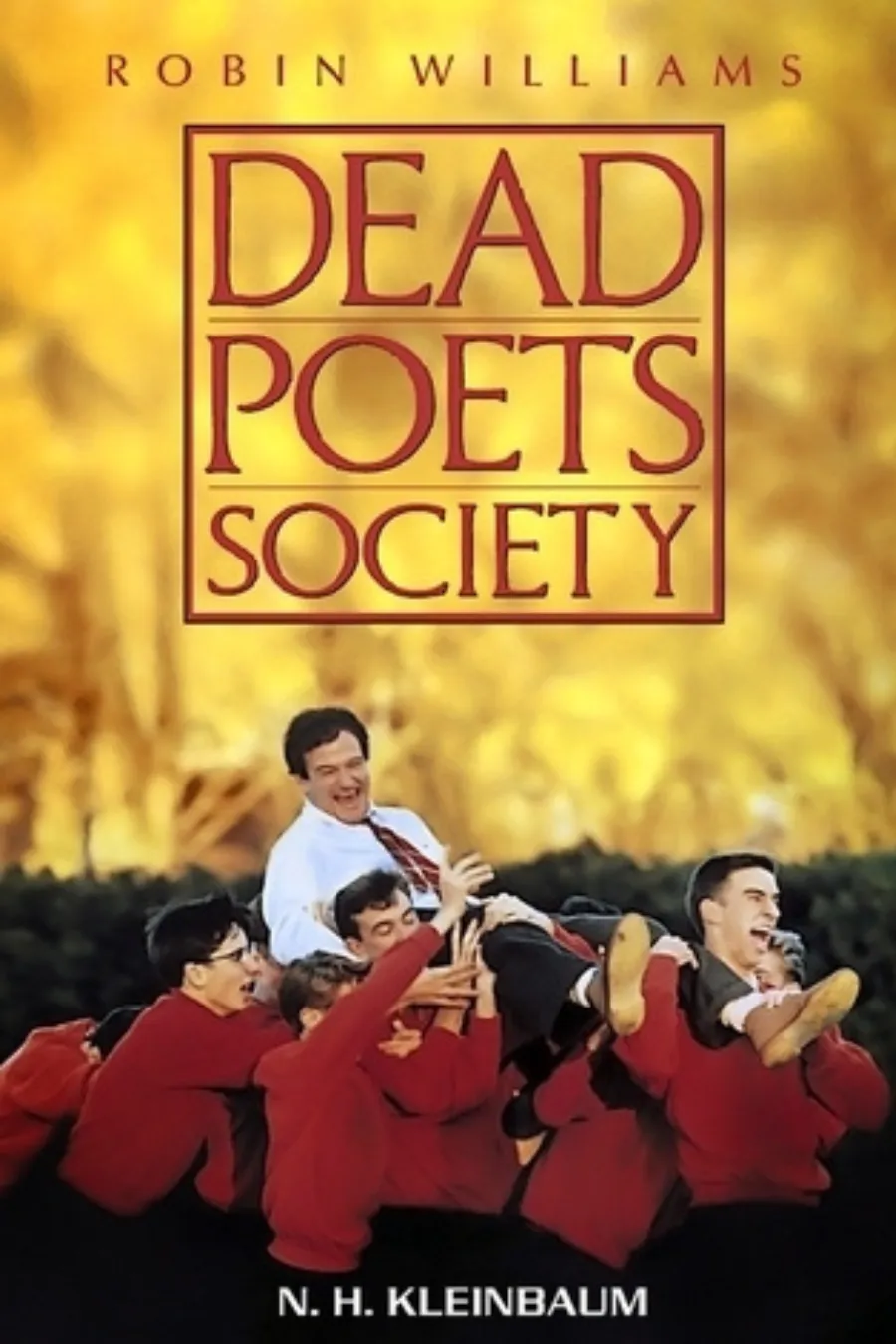
Some books become comfort reads despite being anything but comforting. Dead Poets Society is one of mine, which might seem like a questionable choice considering how the story unfolds. But that’s the thing about reading, isn’t it? Sometimes the books that make us cry are also the ones that make us feel most alive.
Set in a traditional boarding school, the story follows a group of boys whose lives change when they meet John Keating, an unconventional English teacher who encourages them to think independently, question expectations, and make something meaningful of their time. His approach to teaching is rather different from what the school administration has in mind, but the boys find something in his lessons that goes far beyond poetry and literature.
What I love about this story is that it doesn’t treat growing up as a simple journey of discovering what you want to become. It also explores what happens when the world has already decided what you’re supposed to be. There’s friendship, rebellion, poetry, a little youthful recklessness, and the rather important reminder that life is not something we should keep postponing.
There’s also a personal reason this book is so close to my heart. I used to be a teacher myself, and I suppose I left the profession partly because I had ideals rather similar to Mr. Keating’s. I wanted to inspire curiosity and independent thinking, but unfortunately, the education industry doesn’t always leave much room for such ideals. It’s an industry, after all, and everything eventually comes down to targets, numbers, and profit and loss. Something my rather naive mind struggled to comprehend. Perhaps I was a little too idealistic, but I still believe education should be about more than that.
Anyway, if you’re a reader who enjoys literary fiction or coming-of-age stories, this is one worth picking up. And if you’ve ever needed a reminder to pursue something simply because it makes you happy, consider this your sign.
Ready to read it? Get Dead Poets Society on Amazon · Bookshop
2. The Language of Thorns by Leigh Bardugo
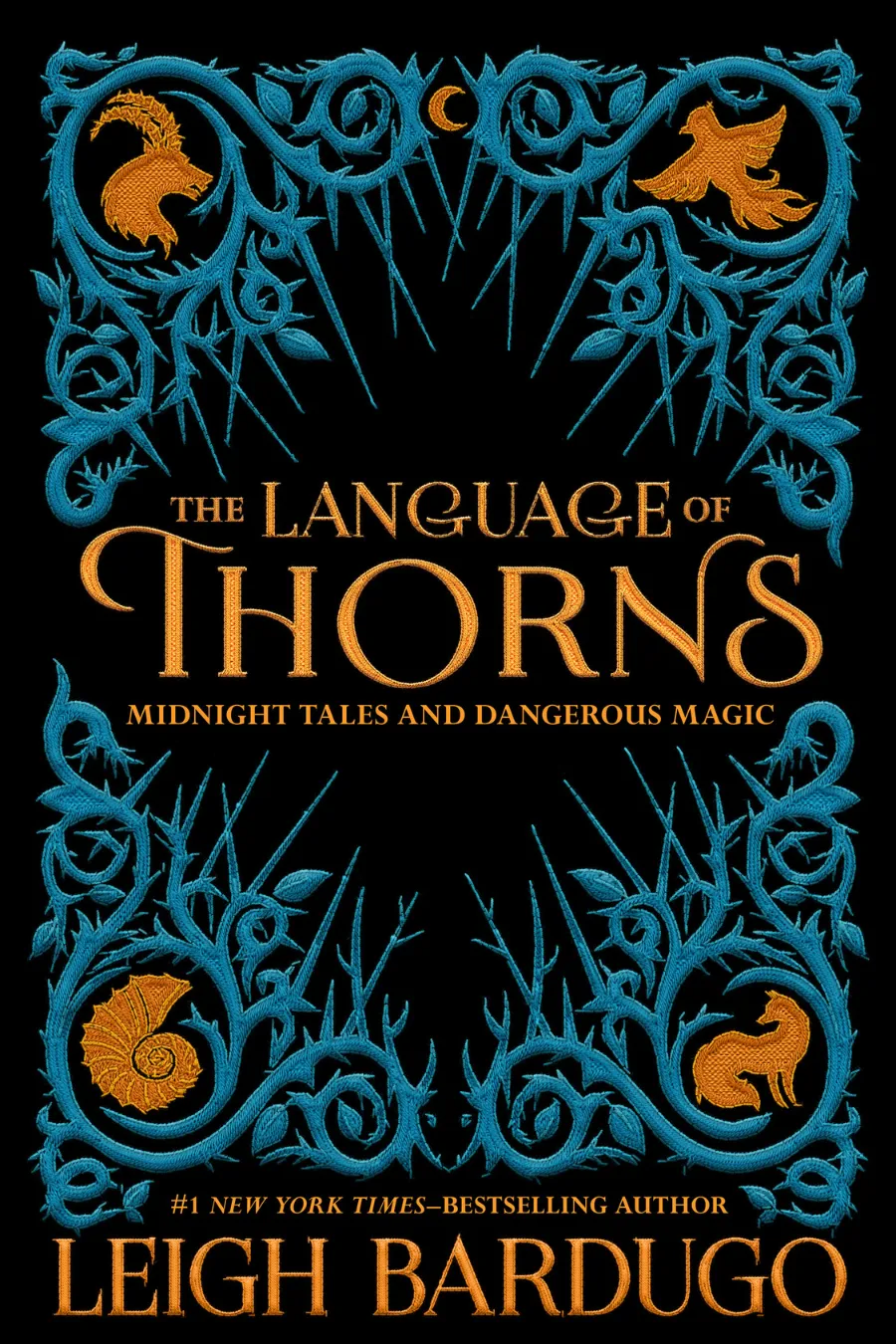
Who said fairy tales were supposed to be sweet and wholesome?
The Language of Thorns is a collection of six dark, beautifully illustrated fairy tales inspired by the Grishaverse. Each story takes familiar folklore elements and gives them a rather interesting twist. There are monsters, witches, magical creatures, impossible bargains, and characters who aren’t always particularly good at making sensible decisions.
What makes this collection especially interesting is that the stories aren’t simply about good people defeating bad people. There’s plenty of greed, ambition, sacrifice, love, and questionable morality. Sometimes the person you expect to be the villain turns out to have a rather different story to tell.
I particularly like the idea of including a short-story collection in this list because not everyone wants to commit to a 500-page novel. You can pick this one up, read a story or two, and return whenever you’re in the mood for something imaginative.
It’s also a lovely reminder that stories don’t always have to be realistic to tell us something about human nature. Sometimes a fairy tale can make a point that an entire self-help book struggles to communicate.
Ready to read it? Get The Language of Thorns on Amazon · Bookshop
3. Remarkably Bright Creatures by Shelby Van Pelt
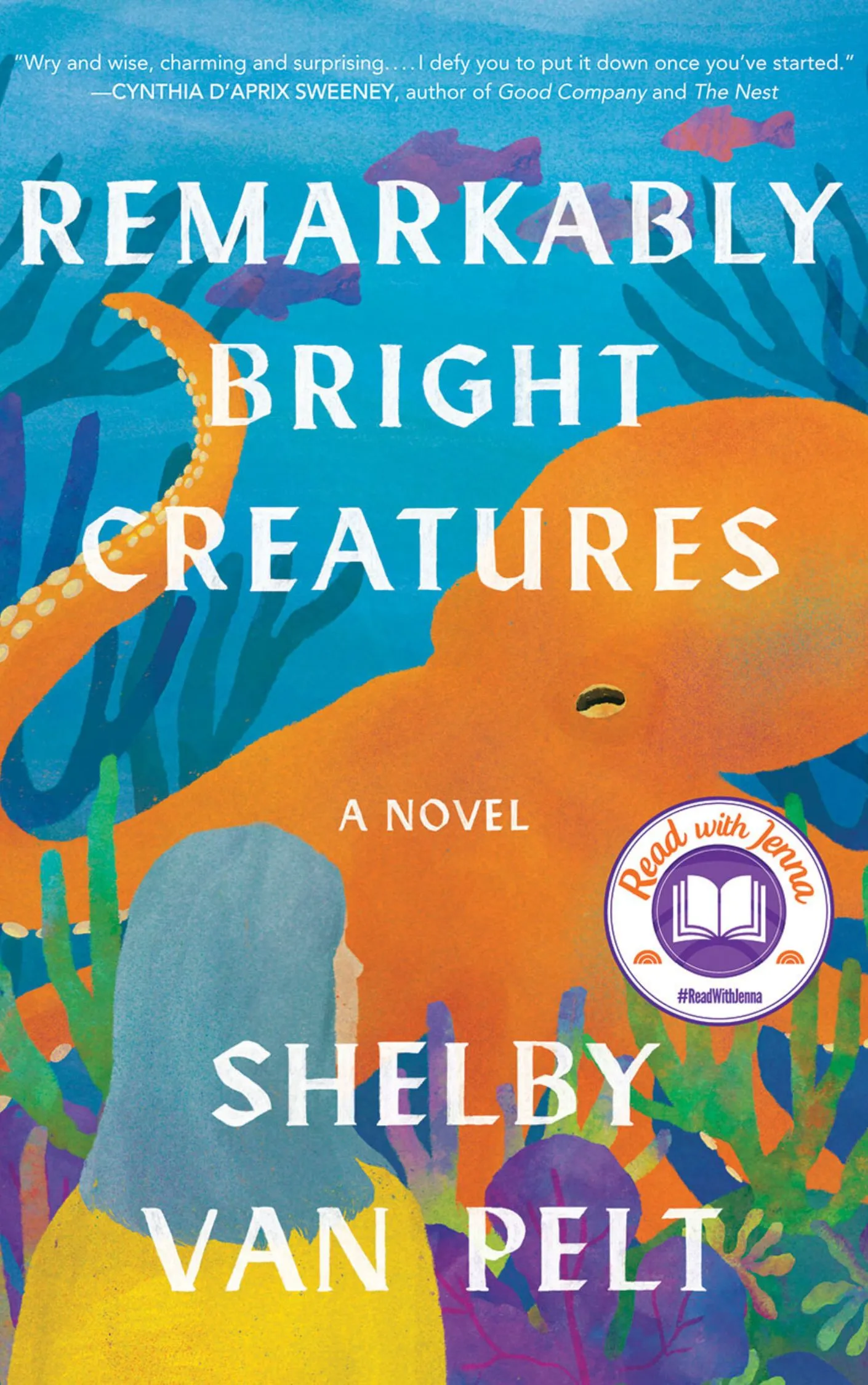
This is one of the most hopeful books on this list, and I highly suggest watching the Netflix adaptation.
Remarkably Bright Creatures follows Tova Sullivan, a widow who works night shifts at an aquarium. She’s still carrying the weight of losing her husband and the mysterious disappearance of her son many years earlier. During her shifts, she develops an unusual connection with Marcellus, a rather observant giant Pacific octopus who happens to know much more about the people around him than they realise.
Yes, the octopus is a character and a narrator. And quite possibly one of the most interesting ones.
There’s something wonderful about a story that explores loneliness, grief, and unexpected friendship without making everything unnecessarily dramatic. Tova’s life isn’t magically transformed overnight, but little connections begin to make the world feel a little less lonely.
I think this is a particularly lovely recommendation for readers who want something accessible without sacrificing emotional depth. It’s entertaining, gently mysterious, and has enough warmth to leave you feeling rather fond of the world and its strange inhabitants.
Also, if an octopus can teach us something about human relationships, perhaps we should all be paying a little more attention.
Ready to read it? Get Remarkably Bright Creatures on Amazon · Bookshop
4. A Man Called Ove by Fredrik Backman
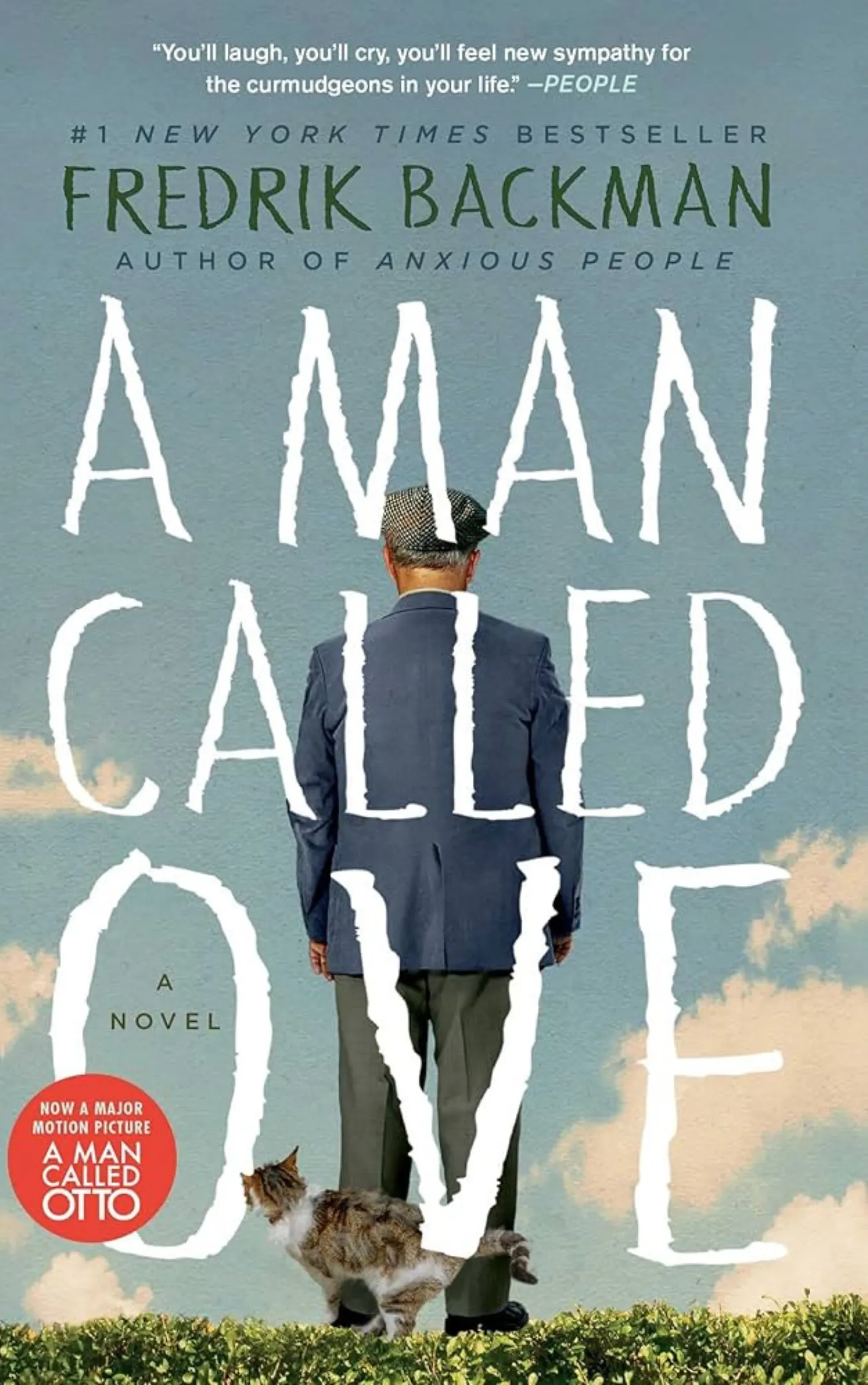
If you’ve read anything by Fredrik Backman, you probably know that the man has a rather impressive ability to make you laugh and then emotionally destroy you a few pages later.
A Man Called Ove introduces us to a grumpy, stubborn, routine-loving man who has very little patience for the world around him. He’s the sort of neighbour who notices when someone parks incorrectly, doesn’t appreciate unnecessary conversations, and probably has strong opinions about how people should sort their recycling.
Then a new family moves in next door.
Their arrival disrupts Ove’s carefully organised life, and what follows is a story about unexpected friendships, grief, loneliness, and the people who give us reasons to keep going.
I particularly enjoy stories where characters aren’t immediately likeable. Ove certainly isn’t trying to win any popularity contests, but as you get to know him, you begin to understand the person behind all that irritation.
If you enjoyed my thoughts on My Friends by Fredrik Backman, you might want to give this one a chance too. Backman has a way of finding extraordinary tenderness in ordinary people, and this novel is a wonderful example.
Ready to read it? Get A Man Called Ove on Amazon · Bookshop
5. The Reading List by Sara Nisha Adams
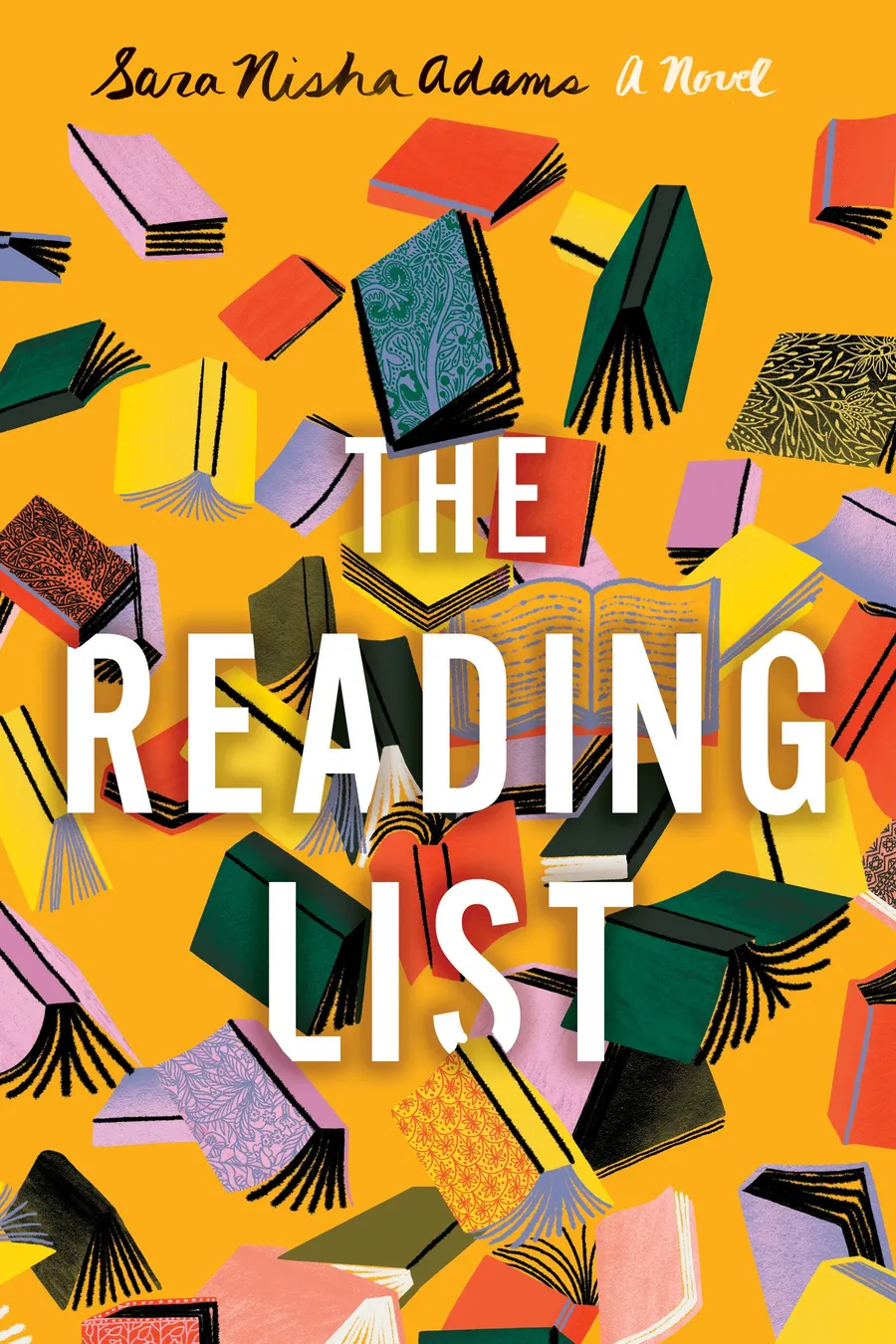
I don’t think a list of feel-good books would be complete without a story about books themselves.
The Reading List follows Mukesh, an elderly widower struggling to reconnect with his granddaughter, and Aleisha, a young library assistant dealing with difficulties of her own. Their paths cross when Aleisha discovers a mysterious reading list tucked inside a library book.
The list contains nine novels, and as the two characters begin exploring these stories, they slowly develop an unexpected friendship.
There’s something particularly charming about this premise. Books have a funny way of bringing people together, even when they have very little in common otherwise. You might be reading the same story as someone on the other side of the world, and somehow, you’re both experiencing a similar moment.
I also think this is a wonderful recommendation for someone who is just getting into reading. It’s approachable, has an interesting premise, and celebrates the very thing that brought us all here in the first place.
And if you’ve ever borrowed a book because someone insisted you would love it, you’ll probably appreciate this one even more.
Ready to read it? Get The Reading List on Amazon · Bookshop
6. The House in the Cerulean Sea by TJ Klune
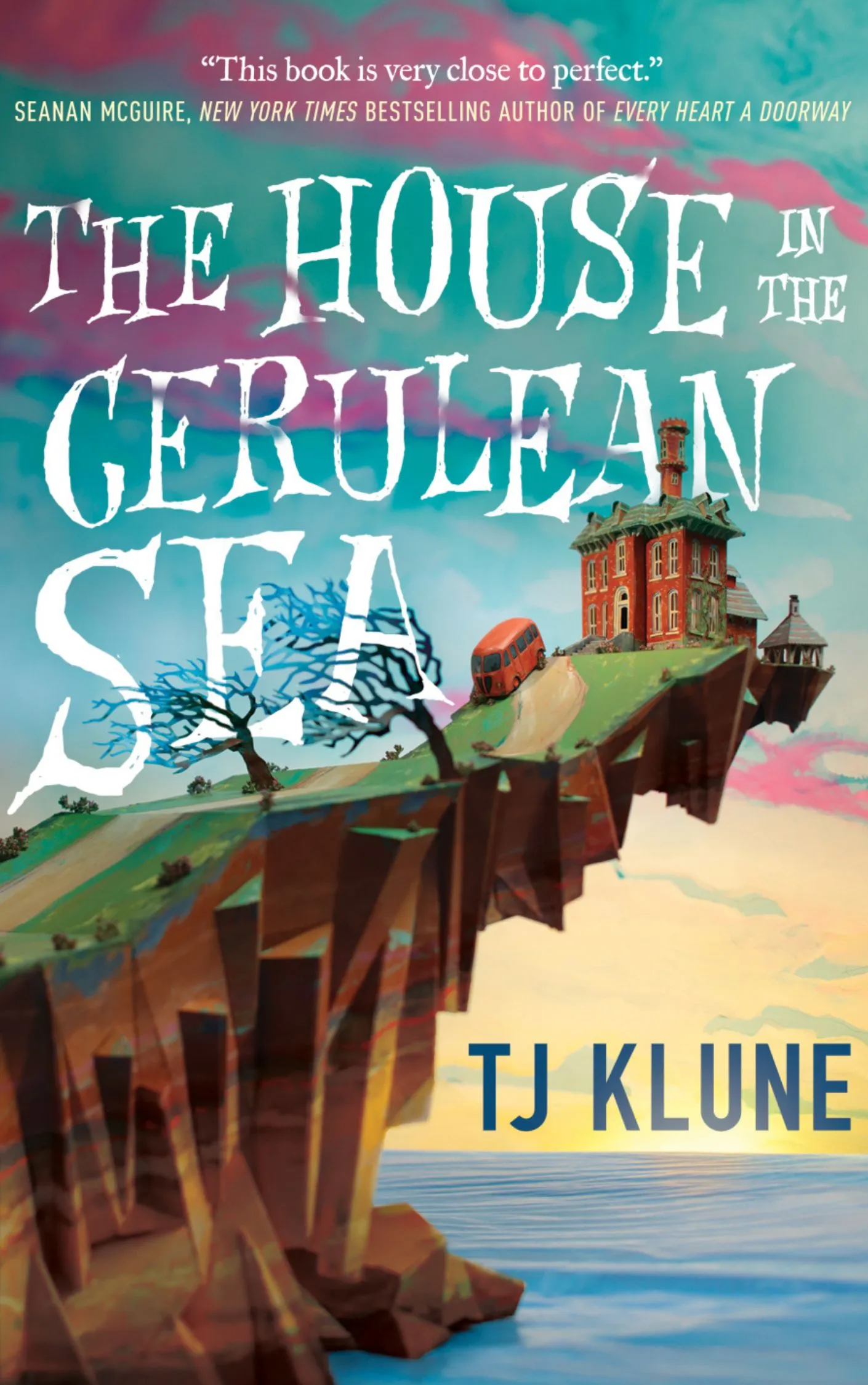
Sometimes you just want to read about people finding their place in the world. No complicated literary symbolism, no particularly exhausting plot twists, and no characters making decisions that leave you questioning their intelligence.
The House in the Cerulean Sea offers exactly that sort of reading experience.
The story follows Linus Baker, a quiet caseworker who is sent to investigate an unusual orphanage on a remote island. The children living there are far from ordinary, and neither is their caretaker, Arthur Parnassus. As Linus spends more time with them, he begins questioning the rules and assumptions he’s spent his entire life following.
It’s a fantasy novel, but at its heart, it’s about acceptance, kindness, found family, and allowing people to be different without treating that difference as something to fear.
I particularly like recommending books like this to readers who want to explore fantasy but aren’t necessarily interested in complicated magic systems or enormous fictional universes. You can simply settle into the story and enjoy the characters.
And honestly, the world could probably do with a little more kindness and a little less judging people before getting to know them.
Ready to read it? Get The House in the Cerulean Sea on Amazon · Bookshop
7. The Guernsey Literary and Potato Peel Pie Society by Mary Ann Shaffer and Annie Barrows
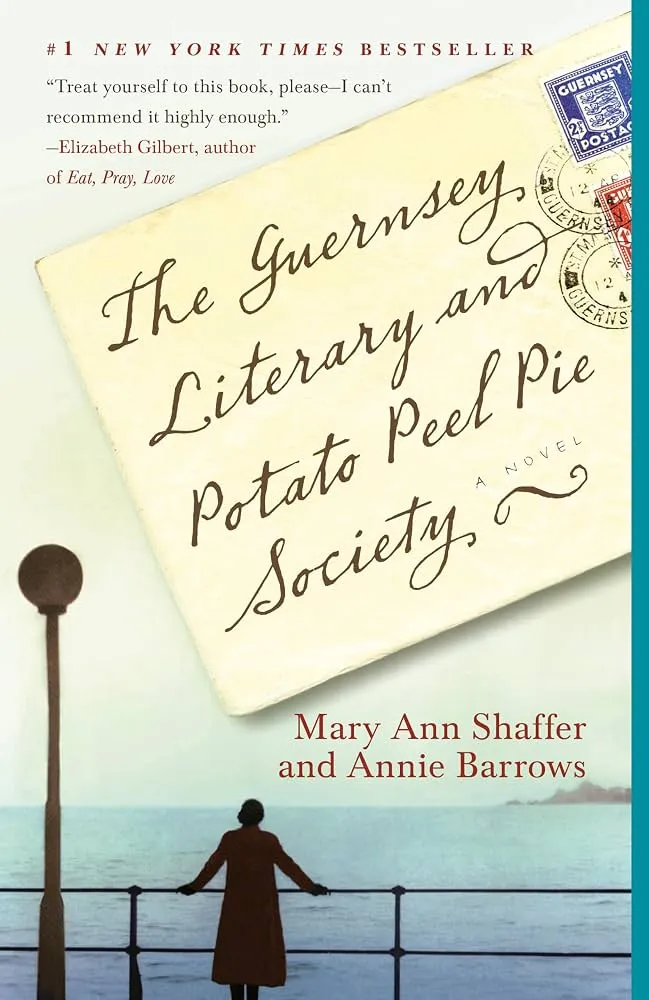
I have a soft spot for books written through letters. There’s something about discovering a story through correspondence that makes it feel a little more intimate, as though you’re accidentally reading someone’s personal mail.
Set in the aftermath of World War II, The Guernsey Literary and Potato Peel Pie Society follows Juliet Ashton, a writer who begins corresponding with members of an unusual literary society on the island of Guernsey.
What starts as a simple exchange of letters gradually develops into something much more meaningful. Through their stories, Juliet learns about the island’s wartime experiences, the people who lived through them, and the unlikely friendships that helped them endure.
It’s a lovely exploration of community and the role books can play in bringing people together. The characters have their own histories, their own little quirks, and plenty of stories to share.
If you’re someone who enjoys historical fiction but wants something a little lighter than a conventional war novel, this is a wonderful place to start.
Ready to read it? Get The Guernsey Literary and Potato Peel Pie Society on Amazon · Bookshop
8. Braiding Sweetgrass by Robin Wall Kimmerer
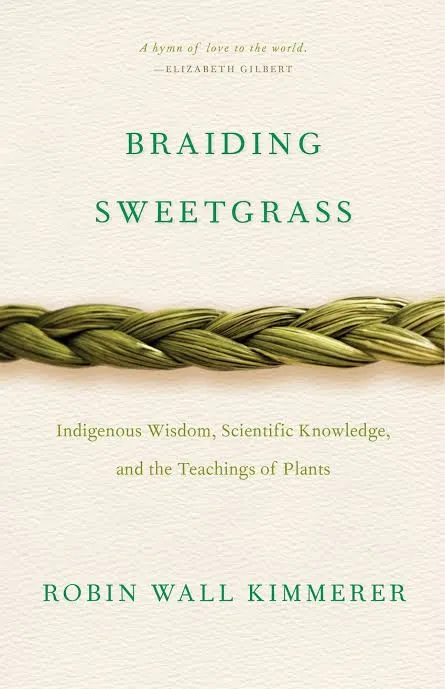
Now, this is where we venture into nonfiction territory, and I promise I’m trying my best.
Braiding Sweetgrass is written by Robin Wall Kimmerer, a botanist and member of the Citizen Potawatomi Nation. She brings together scientific knowledge, Indigenous wisdom, personal experiences, and observations about the natural world to explore our relationship with the earth.
One of the central ideas is reciprocity: the notion that we shouldn’t simply think about what nature gives us, but also about what we owe in return. And I think that’s a particularly beautiful thought to consider as the year comes to an end.
We spend so much time thinking about what we want more of, what we haven’t achieved, and what we wish were different. But how often do we stop to appreciate the things that are already around us? The trees, the changing seasons, the food on our tables, and the little details that make our lives possible.
This isn’t necessarily a book you’ll rush through in a weekend. It’s one to read slowly, perhaps with a notebook nearby, and return to when you need a different perspective.
If you want nonfiction that offers something beyond conventional motivational advice, this is an excellent choice.
Ready to read it? Get Braiding Sweetgrass on Amazon · Bookshop
9. The Book of Joy by Dalai Lama, Desmond Tutu, and Douglas Abrams
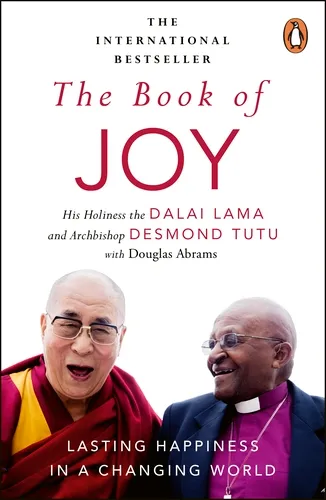
What happens when two of the world’s most recognisable spiritual leaders sit down together to discuss joy? Well, you get The Book of Joy.
The book brings together conversations between the Dalai Lama and Archbishop Desmond Tutu, with Douglas Abrams helping document their discussions. They explore happiness, suffering, compassion, forgiveness, and the rather complicated business of finding joy when life doesn’t go according to plan.
What I find interesting about this book is that neither of them approaches happiness as something that depends on having a perfect life. They acknowledge suffering and difficult experiences rather than pretending they don’t exist.
And perhaps that’s what makes the discussion worth reading.
It’s easy to talk about gratitude when everything is going well. It’s considerably harder when you’re dealing with disappointment, uncertainty, or loss. This book explores how joy and hardship can exist alongside one another.
I wouldn’t necessarily recommend it to someone looking for a fast-paced read, but if you’re in the mood for something reflective, it might be exactly what you need.
Ready to read it? Get The Book of Joy on Amazon · Bookshop
10. The Comfort Book by Matt Haig
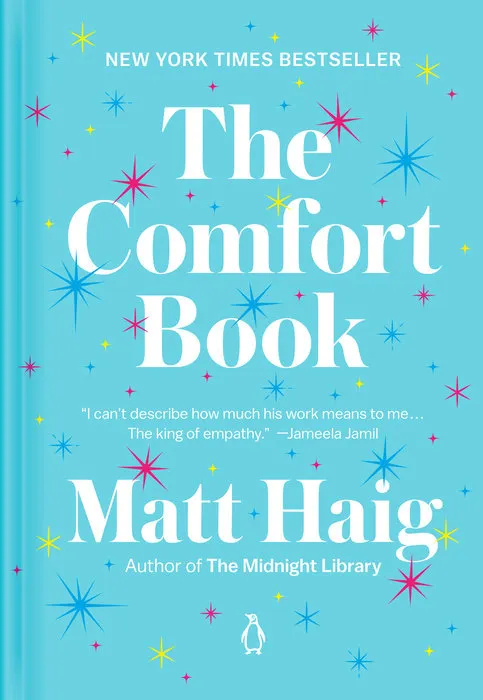
I’m a fan of books that don’t demand too much from you. Sometimes you don’t want to follow a complicated storyline or remember fifteen different characters. You just want to open a book, read a few pages, and find something worth thinking about.
That’s where The Comfort Book comes in.
Matt Haig brings together short reflections, observations, stories, and little reminders collected over several years. Some are philosophical, some are personal, and others are simply reassuring thoughts about navigating life.
It’s not a conventional self-help book with a ten-step plan to become the best version of yourself. Thank goodness for that. We have quite enough of those already. Instead, it’s more like a collection of notes from someone who understands that life can be difficult and that sometimes we need reminding that a bad day doesn’t mean we’ve had a bad life.
I think this is particularly good for readers who are trying to build a reading habit. You can read a few pages at a time without feeling like you’ve abandoned a story halfway through. And if you’re someone who likes keeping little quotes or passages from books, you’ll probably find plenty to underline here.
Ready to read it? Get The Comfort Book on Amazon · Bookshop
11. The Things You Can See Only When You Slow Down by Haemin Sunim
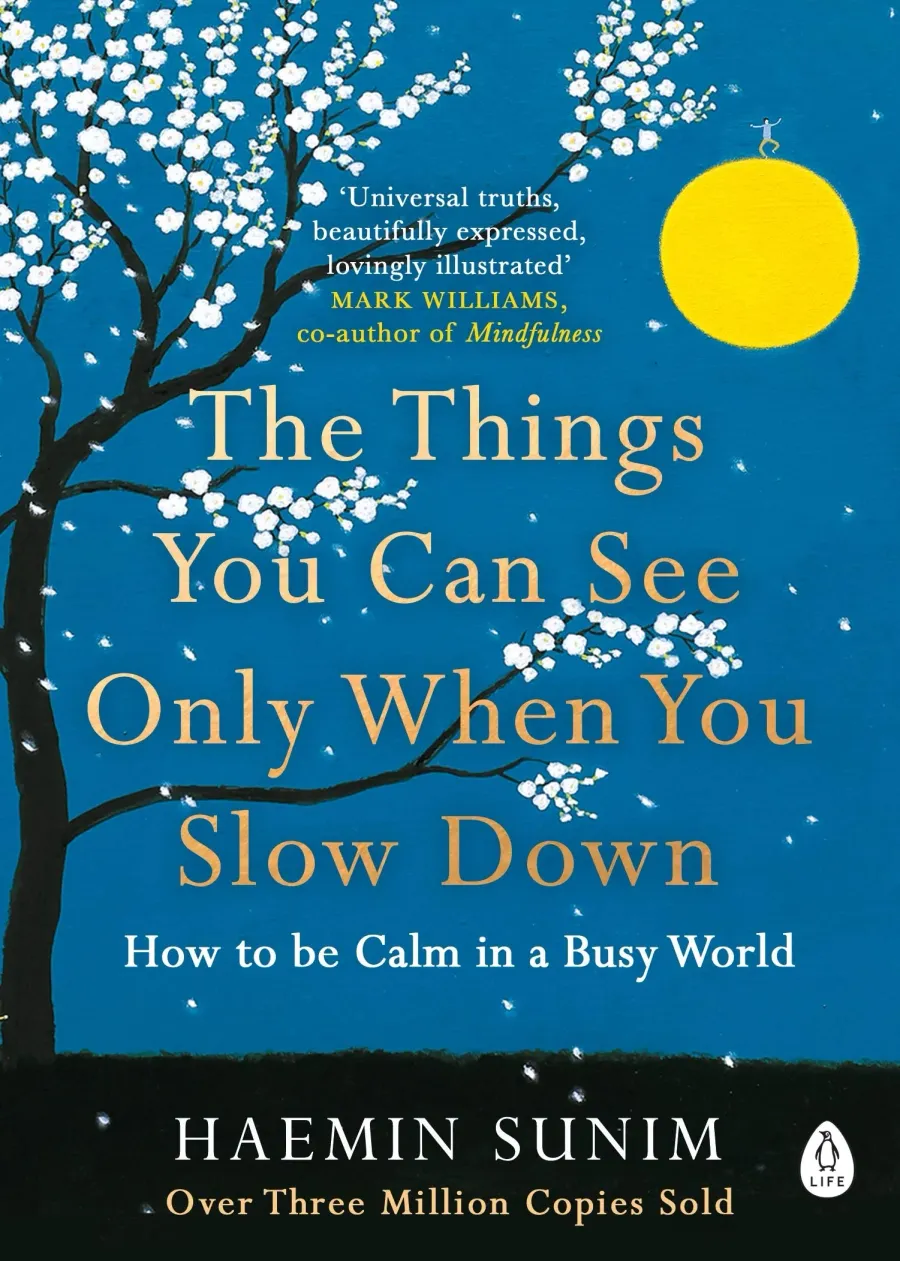
I think most of us could benefit from slowing down a little. Not necessarily booking a holiday, moving to a cabin in the woods, and abandoning all responsibilities. Although, admittedly, that does sound rather appealing some days.
The Things You Can See Only When You Slow Down explores the relationship between our minds, everyday experiences, and the pace at which we live.
Written by Buddhist teacher Haemin Sunim, the book is divided into short reflections covering relationships, love, rest, work, and finding peace within ourselves. It’s beautifully illustrated and doesn’t require you to sit down for hours to get something out of it.
What I particularly like about this recommendation is its simplicity. It encourages you to pay attention to things you might otherwise overlook and reminds you that constantly being busy isn’t the same as living meaningfully.
If you’ve spent the entire year rushing from one responsibility to another, this might be a good book to pick up before making another ambitious list of things to accomplish. Perhaps we don’t always need to do more. Sometimes we just need to notice more.
Ready to read it? Get The Things You Can See Only When You Slow Down on Amazon · Bookshop
12. The Anthropocene Reviewed by John Green
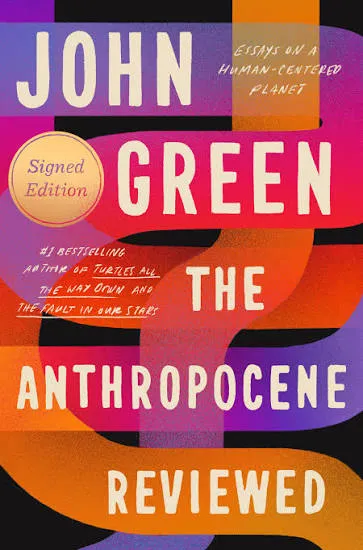
This is probably one of the more unusual books on the list, and that’s precisely why I wanted to include it.
In The Anthropocene Reviewed, John Green reviews different aspects of the human-centred planet using a five-star rating system. That includes everything from sunsets and the internet to particular inventions, cultural phenomena, and things we encounter in everyday life.
It sounds like a rather strange premise, doesn’t it?
But Green manages to turn these seemingly ordinary subjects into thoughtful essays about humanity, memory, connection, and the strange experience of being alive.
Some essays are funny, others are unexpectedly moving, and a few will make you look at something familiar in an entirely different way.
I particularly like this book for the way it encourages curiosity. We don’t always need extraordinary experiences to find something interesting about life. Sometimes there’s a story hiding in something as ordinary as a song, a familiar object, or a walk outside.
And if you enjoy writing that combines humour with a little existential reflection, this one deserves a place on your reading list.
Ready to read it? Get The Anthropocene Reviewed on Amazon · Bookshop
13. Born a Crime by Trevor Noah
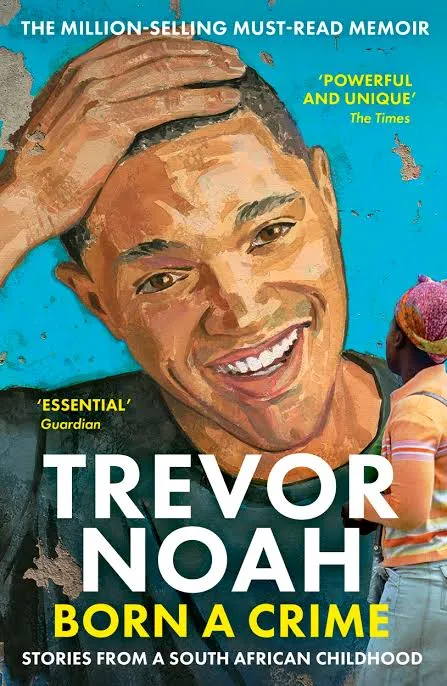
I know I’ve said I’m not the person to trust with nonfiction recommendations, but I do have a soft spot for a good memoir. Especially when the author can tell a difficult story without making every page feel unbearably heavy.
Born a Crime is Trevor Noah’s memoir about growing up in South Africa during and after apartheid. His birth itself was considered illegal under the racial laws of the time because his mother was Black and his father was white.
The book explores his childhood, his complicated relationship with the world around him, and, most importantly, his relationship with his mother.
There are some genuinely funny moments, but the humour never takes away from the seriousness of the experiences he describes. It’s a story about identity, survival, family, and finding ways to navigate a world that doesn’t always make room for you.
What makes this memoir particularly memorable is its storytelling. Noah has a wonderful ability to make you laugh one moment and then pause to think about something much bigger the next.
It’s also a reminder that resilience doesn’t always look like some grand act of bravery. Sometimes it’s simply finding a way forward with the people you love beside you.
Ready to read it? Get Born a Crime on Amazon · Bookshop
14. Wild by Cheryl Strayed
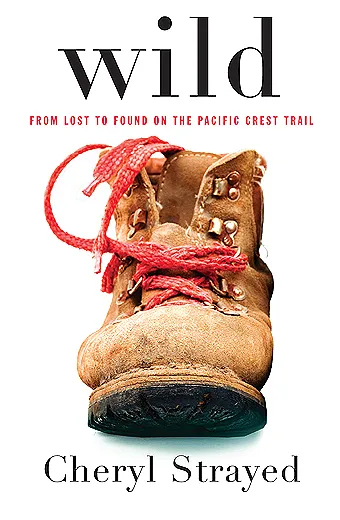
Let’s end with a book about finding your way back to yourself.
In Wild, Cheryl Strayed recounts her experience hiking more than a thousand miles along the Pacific Crest Trail following a series of deeply painful experiences, including the death of her mother, the breakdown of her marriage, and a period of personal turmoil.
She sets out on the trail with very little experience, an enormous backpack, and perhaps a slightly questionable understanding of what she’s getting herself into. But the journey becomes about much more than walking.
It’s about grief, regret, independence, and learning to live with the decisions we’ve made. Strayed doesn’t present herself as someone who has everything figured out. She’s honest about her mistakes, her vulnerabilities, and the rather messy process of rebuilding a life.
I think that’s what makes this memoir so compelling. Starting over isn’t always glamorous. Sometimes it’s uncomfortable, exhausting, and considerably less inspiring than the motivational quotes would have us believe. But it’s possible.
And if you’re approaching the end of the year feeling like you’ve lost your way a little, this might be a meaningful reminder that you don’t have to have everything figured out to take the next step.
Ready to read it? Get Wild on Amazon · Bookshop
So, Which Feel-Good Book Should You Read First?
Well, that depends on what you’re looking for.
If you’re new to reading, I’d start with The Comfort Book, The Reading List, or Dead Poets Society. They’re approachable and offer very different reading experiences.
If you want something imaginative, try The Language of Thorns or The House in the Cerulean Sea. If you’re in the mood for a story that will make you laugh and cry in equal measure, A Man Called Ove and Remarkably Bright Creatures are excellent choices.
And if you’re willing to venture into nonfiction, I’d particularly recommend Born a Crime, The Anthropocene Reviewed, and Braiding Sweetgrass.
But perhaps the bigger question is why we’re reading these books in the first place.
With Thanksgiving approaching and the year almost at its end, there’s plenty of talk about gratitude, appreciation, family gatherings, and all the things we should be thankful for. And while I don’t think we need a particular holiday to remind us of these things, this time of the year does offer a convenient excuse to pause and reflect.
Maybe you’ve had a wonderful year. Maybe it’s been rather difficult. Perhaps you’ve accomplished everything you set out to do, or perhaps you’re still figuring things out. Either way, there’s probably something worth appreciating along the way.
It could be a friendship that made a difficult month easier, a conversation you still think about, a place you finally visited, or even a book that found you at exactly the right time.
We spend so much of our lives waiting for the next big thing that we sometimes forget to enjoy the little things happening right now.
So, here’s to more books, more meaningful conversations, unexpected friendships, second chances, and finding reasons to be grateful even on ordinary days.
And if all else fails, there’s always another book waiting to be read.
Want somewhere to keep track of this list? My printable reading journal, Read More, Scroll Less, has a to-be-read list, a page for every book you finish, and a “Books I DNF’d and Why!” page for the ones that don’t make it. Get the journal here (US$9).
For more gentle reads, have a look at our 5 comfort reads for difficult times and our 3 feel-good books to read during the holidays. And if you’re trying to make reading a regular part of your days, here’s how to build a reading habit that actually sticks.
Happy reading!
Frequently Asked Questions About Feel-Good Books
What are the best heartwarming books to read before the year ends?
Some lovely choices are Remarkably Bright Creatures by Shelby Van Pelt, A Man Called Ove by Fredrik Backman, The House in the Cerulean Sea by TJ Klune and The Guernsey Literary and Potato Peel Pie Society by Mary Ann Shaffer and Annie Barrows. They are warm, hopeful stories about friendship, grief and finding where you belong.
Are there any feel-good nonfiction books?
Yes. Braiding Sweetgrass by Robin Wall Kimmerer, The Book of Joy by the Dalai Lama and Desmond Tutu, The Comfort Book by Matt Haig and The Anthropocene Reviewed by John Green are thoughtful, uplifting reads. For memoirs, try Born a Crime by Trevor Noah or Wild by Cheryl Strayed.
What are some good books about gratitude?
Braiding Sweetgrass by Robin Wall Kimmerer is built around reciprocity, the idea of giving back for what we receive, and The Book of Joy by the Dalai Lama and Desmond Tutu talks about gratitude as one of the pillars of joy. Both are lovely reads for Thanksgiving and the end of the year.
Which feel-good books are good for beginners?
The Comfort Book, The Reading List and Dead Poets Society are easy places to start. The Comfort Book and The Things You Can See Only When You Slow Down are made of short reflections, so you can read a few pages at a time.
Is Remarkably Bright Creatures a movie?
Yes. Netflix released a film adaptation of Remarkably Bright Creatures on 8 May 2026, directed by Olivia Newman, with Sally Field as Tova Sullivan and Lewis Pullman as Cameron.