
7 Scary Books to Read When You Want to Be Genuinely Terrified
This post may contain affiliate links. As an Amazon Associate and Bookshop.org affiliate, I earn from qualifying purchases at no extra cost to you.
Table of Content
I can handle a creepy story. Give me a haunted house, a suspicious noise, or a character making the worst decision of their life, and I’m in. But some horror books have a way of getting under your skin that makes you wish you’d picked something lighter. The kind where you keep reading because you need to know what happens, then immediately regret reading another chapter before bed.
That’s the kind of horror we’re getting into today. If you’re looking for scary books that go beyond a few creaky floorboards and a suspiciously timed power outage, I’ve got seven picks for you. We’re talking about voices that shouldn’t be speaking, houses that don’t feel safe anymore, things lurking in places you really wish they’d stay out of, and the sort of dread that makes you read one more chapter even though every sensible instinct is screaming, Put the book down. Please.
I’ve mixed recognizable horror favorites with a few less obvious picks because, while Stephen King deserves his place at the table, there’s a whole world of nightmares beyond the usual suspects. And if you’re in the mood for more seasonal reading, you can also browse our Halloween book recommendations for a different kind of spooky reading list.
One quick warning before we begin: some of these books contain graphic violence, disturbing imagery, or animal cruelty. I’ll flag the particularly intense ones so you can choose your nightmares accordingly.
Now, shall we make some questionable reading decisions?
Penpal by Dathan Auerbach
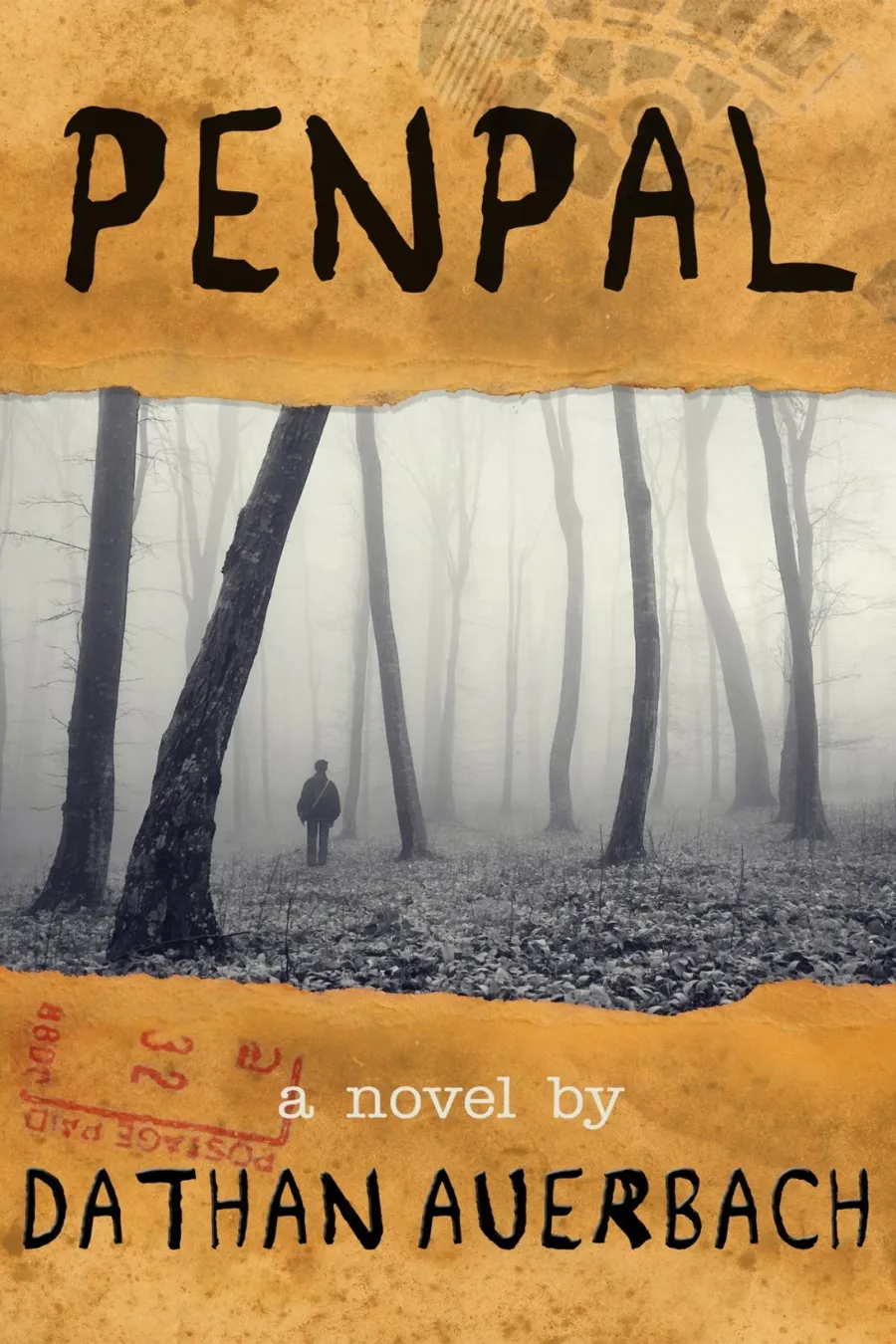
Genre: Psychological horror, supernatural horror
Length: 252 pages
Best for: Readers who find stalking, childhood fears, and the idea of being watched more terrifying than ghosts and monsters.
Some childhood memories are embarrassing. Others are funny enough to bring up at family dinners years later. And then there are the memories you spend your adult life trying to make sense of because, looking back, something about them was never quite right. That’s where Penpal by Dathan Auerbach begins.
The narrator starts piecing together strange incidents from his childhood, including a school project involving photographs attached to balloons. What initially seems harmless gradually takes on a much darker meaning as he revisits the people, places, and unsettling experiences that shaped his early years.
What makes this book so disturbing is the way the horror builds. There’s no need for a monster to burst through a window when the real terror is realizing that someone may have been watching you for years. Ordinary childhood memories become clues, and the more the narrator connects them, the harder it becomes to ignore the possibility that something terrible was happening right in front of him.
Auerbach also understands that fear doesn’t always arrive with a dramatic reveal. Sometimes, it’s the small details that stick with you: a familiar place that suddenly feels wrong, an encounter you can’t explain, or the creeping suspicion that you never understood what was happening around you. If you enjoy horror that makes you question how well you can really know the people and places around you, this one deserves a spot on your reading list.
Penpal is a particularly good choice if you prefer psychological dread over nonstop gore. It does have disturbing themes and unsettling material, so go in prepared for a story that gets darker as the pieces fall into place. And maybe don’t read it alone at night if you already have a habit of checking the locks twice.
Read if: You love psychological horror that turns childhood memories into something deeply unsettling, stories about being watched, and slow-building dread that makes ordinary places feel unsafe.
Incidents Around the House by Josh Malerman
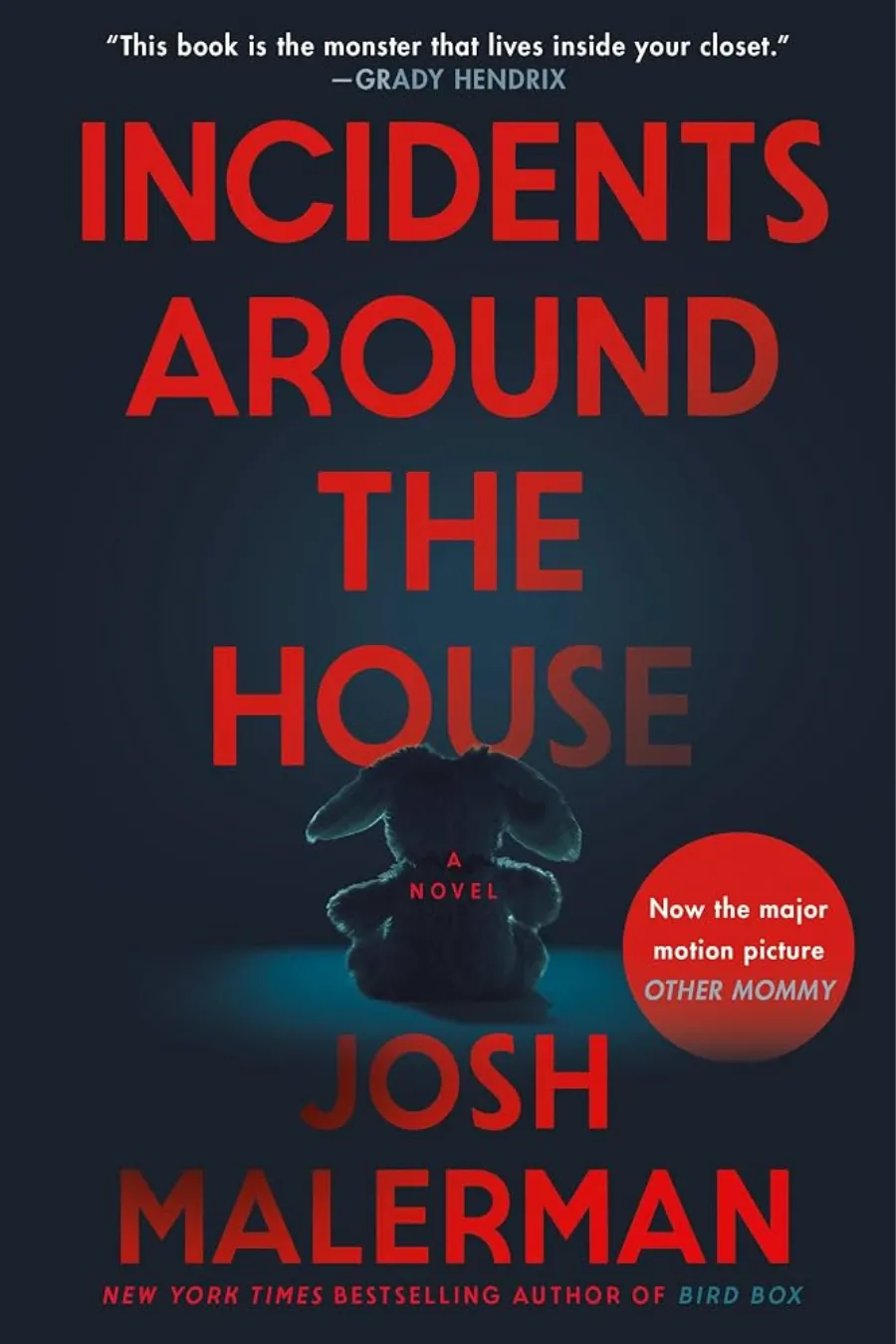
Genre: Supernatural horror, psychological horror
Length: 373 pages
Best for: Readers who want a haunted-house story that makes their own home feel unsafe.
Remember being a child and being absolutely convinced there was something hiding in your bedroom?
Maybe it was under the bed. Maybe it was in the wardrobe. Maybe it was standing in that one corner of the room that looked perfectly normal during the day but became deeply suspicious after the lights went out.
You probably grew out of it. Josh Malerman would like a word.
In Incidents Around the House, Josh Malerman introduces us to eight-year-old Bela, who is haunted by an entity she calls Other Mommy. The entity repeatedly asks her a deeply unsettling question: can it come inside her heart?
I’m sorry, but what exactly are we supposed to do with that information?
The frightening part is that Bela isn’t dealing with something that appears once in an abandoned building and disappears when the sun comes up. Other Mommy intrudes on her everyday life, turning the places where a child should feel safest into sources of fear.
And because the story is told through Bela’s perspective, the horror has a particularly uncomfortable quality. Children don’t always understand what they’re experiencing, and they don’t necessarily have the vocabulary to explain why something feels wrong. They simply know that it does.
Imagine a child telling you, quite matter-of-factly, that there’s someone in her bedroom who wants to get inside her heart. What exactly are you supposed to say to that? Have you tried sleeping with a night-light?
The book plays with the fear of not being believed, the vulnerability of childhood, and the awful possibility that the adults responsible for keeping a child safe might not be able to protect her.
What makes this kind of horror effective is that it doesn’t need to transport you to a haunted castle or an abandoned asylum. It brings the nightmare into an ordinary home, where the lights work, the furniture is familiar, and everything should be fine, but is it?
Read this if: Haunted-house stories are your thing, especially the ones that make your own home feel a little less trustworthy. This is also a strong choice if you prefer psychological tension over pages and pages of graphic gore.
Just don’t blame the book when you start looking suspiciously at your wardrobe.
Pet Sematary by Stephen King
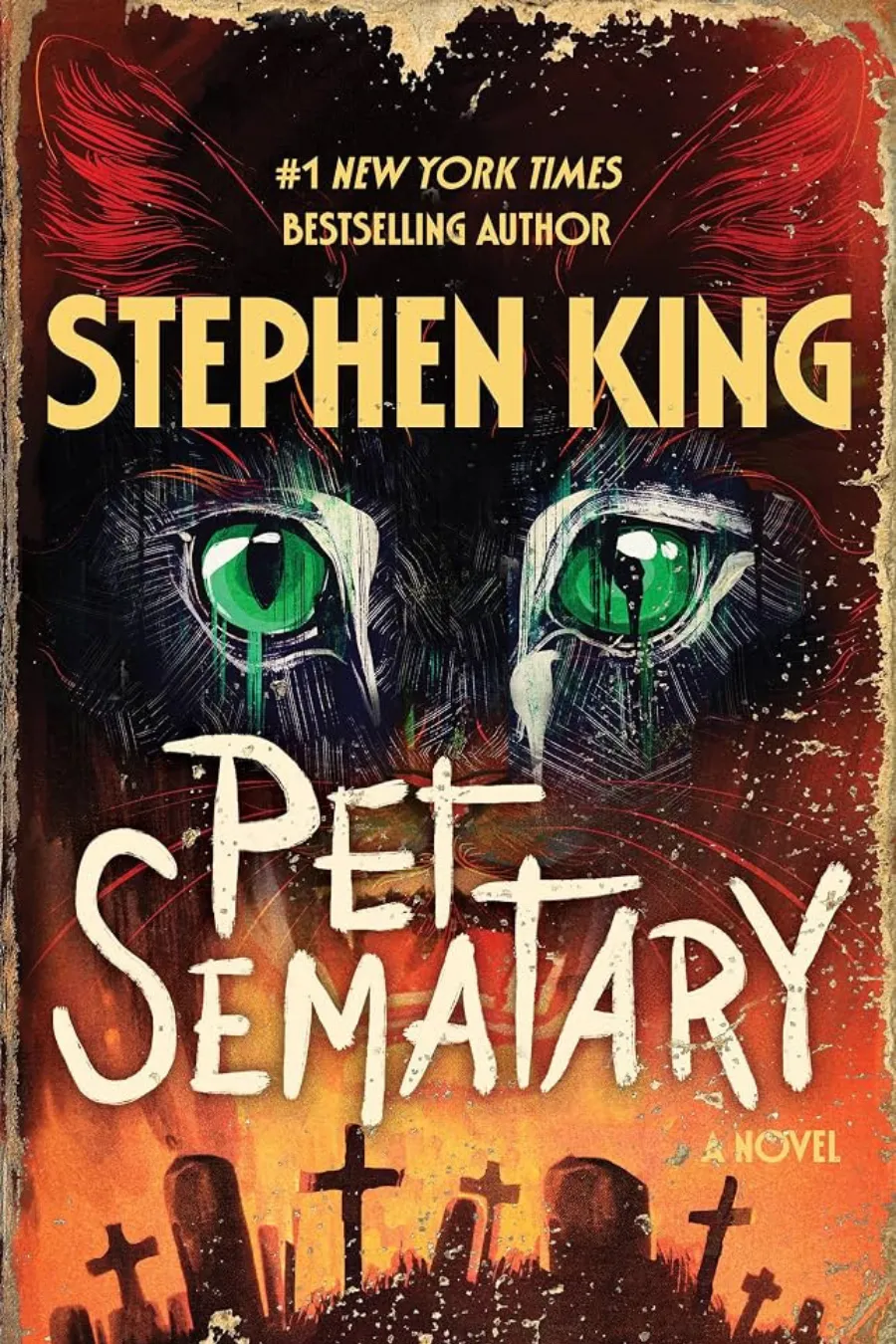
Genre: Supernatural horror, psychological horror
Length: 561 pages
Best for: Readers who want a famous horror classic with grief, dread, and deeply disturbing consequences.
I watched Pet Sematary before reading the book, and the movie was what got me interested enough to pick up the novel. I wanted to know more about the story, the characters, and what made the whole premise so disturbing in the first place.
And honestly, it’s a pretty good example of why a horror story can be worth experiencing in more than one format. You might already know the broad outline from the film, but the novel gives you much more room to sit with the characters’ decisions and watch the dread build.
The story follows Louis Creed, a doctor who moves with his family to a house in rural Maine. Nearby, there’s a pet cemetery where local children bury their beloved animals. Beyond it lies something far more sinister: a place with the power to bring the dead back.
Now, if you’ve ever watched a horror movie and yelled, “WHY WOULD YOU GO IN THERE?” at someone making an obviously terrible decision, you’ll understand the general problem here.
Except Pet Sematary does something much more interesting than simply giving its characters bad judgment. It asks what happens when grief becomes so overwhelming that a person starts believing an unforgivable decision might somehow be worth it.
And that’s where the story gets genuinely frightening. Because the real horror isn’t just that something dead might come back. It’s the possibility that love, loss, and desperation could make you ignore every warning sign in front of you. You might know that something is wrong. You might understand the consequences. You might even warn yourself against it.
But what if you want the impossible badly enough?
Stephen King takes a supernatural premise and connects it to an emotion most of us understand, at least in some form: the desire to undo a loss. That makes the story much harder to dismiss as something that could never happen to you.
I also think watching the film first makes this an interesting recommendation for anyone who doesn’t usually read horror. If the movie hooked you, the book gives you an opportunity to explore the story in greater depth.
Read this if: You want a famous horror novel that isn’t frightening merely because of what happens, but because you can understand the emotions that lead people into terrible situations. And if you’re reading it late at night, perhaps don’t start thinking too deeply about the things you wish you could bring back.
The Exorcist by William Peter Blatty
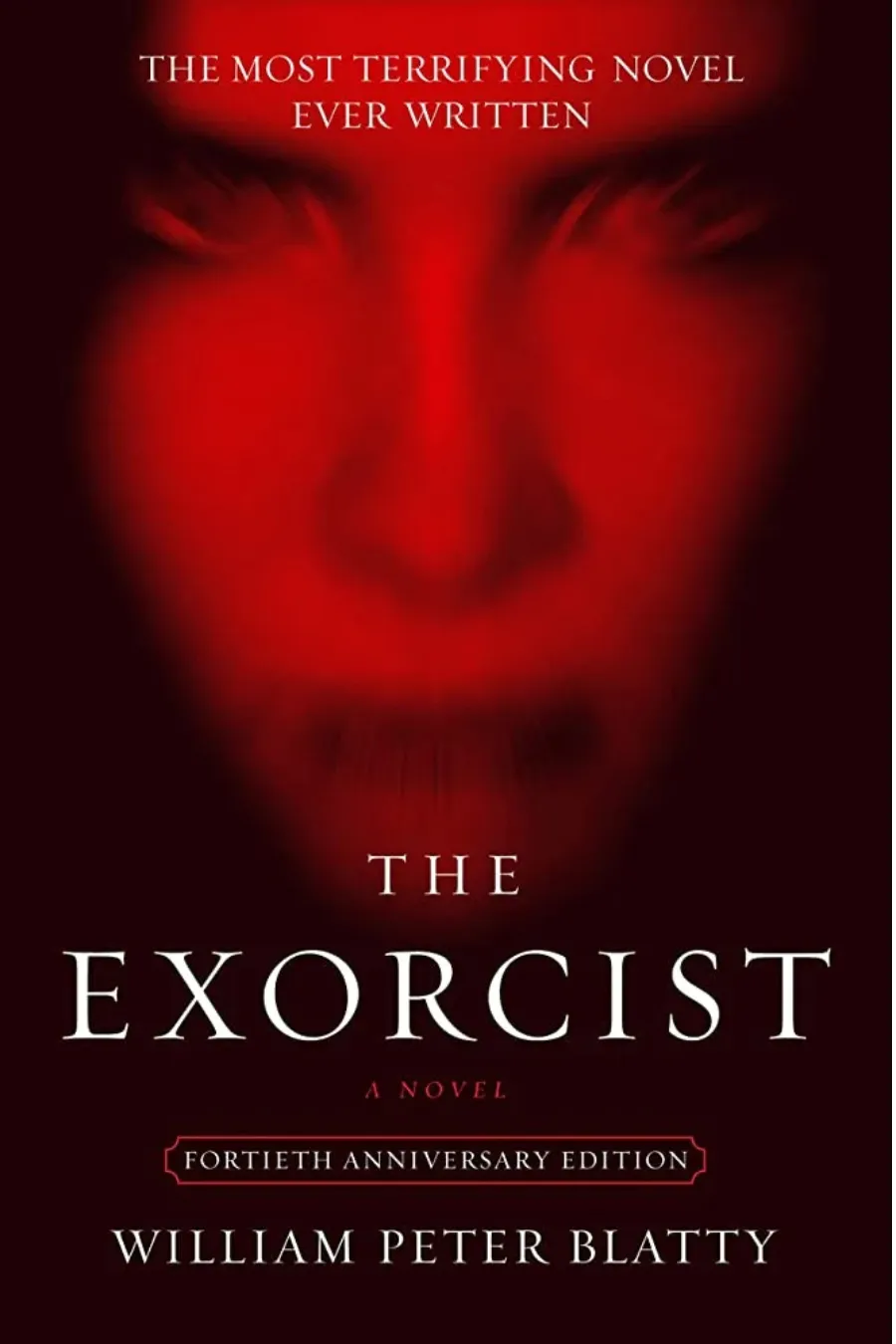
Genre: Supernatural horror, demonic horror
Length: 400 pages
Best for: Readers who enjoy possession stories, disturbing transformations, and the fear of losing control.
There are few horror premises more immediately unsettling than the idea that something has taken over another person’s body.
Think about it. You know someone. You love them. You recognize their face, their voice, their little habits, and the way they laugh at jokes that aren’t particularly funny. Then something changes.
They start behaving in ways you cannot explain. They say things they shouldn’t know. Their personality seems to disappear behind something cruel and unfamiliar. And no matter what you do, you can’t seem to reach the person you knew before.
That’s the terror at the heart of The Exorcist.
The novel follows Chris MacNeil, an actress whose young daughter, Regan, begins exhibiting increasingly disturbing symptoms. As the situation escalates, medical explanations fail to provide the answers Chris desperately needs, and the possibility of demonic possession enters the picture.
What makes this setup so frightening is the helplessness at its center. Chris isn’t wandering around a haunted mansion looking for trouble. She’s a mother trying to understand what’s happening to her child. She seeks help, follows explanations, and tries to make sense of a situation that becomes more frightening with every failed attempt to resolve it.
The horror builds around a deeply uncomfortable question: what do you do when the person you would do anything to protect is experiencing something you cannot understand or control?
Of course, The Exorcist is also famous for its graphic and shocking scenes. But reducing it to those moments misses what makes the novel such an enduring horror story. It combines supernatural terror with fear, desperation, and the struggle to hold on to reason when everything seems to be falling apart.
It’s also a good pick for readers who want to explore horror classics without starting with something slow and atmospheric like a traditional Gothic novel.
Read this if: You enjoy demonic possession stories, religious horror, and narratives that put ordinary people in extraordinary situations they have no idea how to handle.
A small warning: this one contains disturbing imagery and bodily horror, so it isn’t necessarily the book to hand someone who wants a gentle introduction to the genre.
The Troop by Nick Cutter
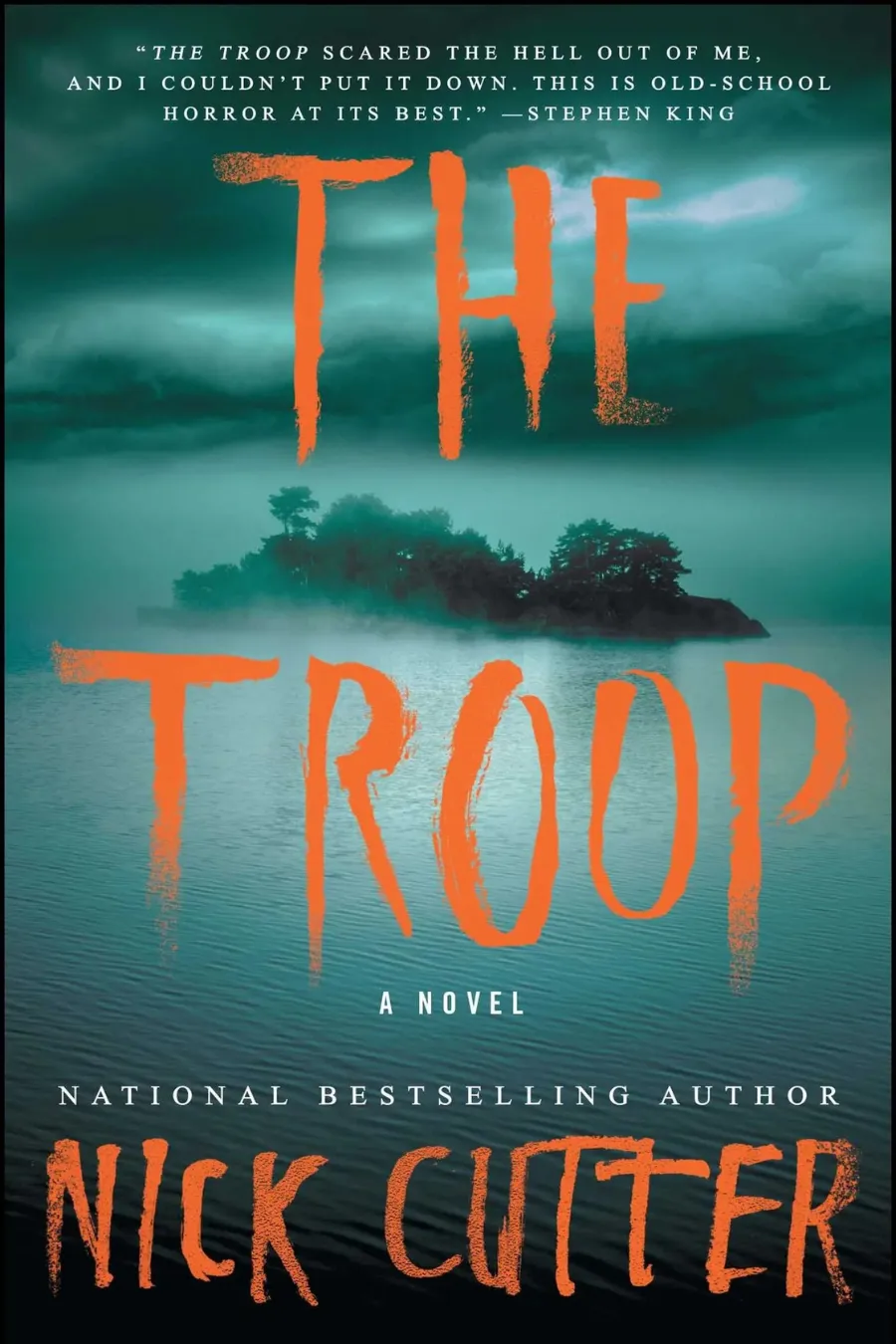
Genre: Body horror, biological horror, survival horror
Length: 529 pages
Best for: Readers who want graphic, stomach-turning horror and don’t mind a few deeply uncomfortable scenes.
Let’s say you’re on a camping trip with a group of friends. You’re miles away from civilization, your phone has no signal, and you’re congratulating yourself on being the kind of person who enjoys the great outdoors.
Then a stranger appears, visibly unwell and carrying something that should never have made its way into your peaceful little wilderness adventure. Before long, your trip turns into a fight for survival.
Welcome to The Troop, where Nick Cutter takes the familiar setup of a group of young people isolated from the rest of the world and asks, essentially, how much worse things can get before you wish you’d stayed home and watched television.
The novel follows a group of Boy Scouts on a remote Canadian island. Their camping trip takes a horrifying turn when an infected stranger arrives, bringing a biological threat that transforms the island into a nightmare.
What makes this book particularly disturbing is the body horror. It’s one thing to be afraid of a creature lurking in the woods. It’s another to fear what’s happening inside a person’s body, especially when the danger is difficult to see and even harder to escape.
Cutter leans heavily into physical vulnerability, infection, hunger, fear, and the increasingly desperate decisions people make when survival is at stake.
And because the characters are isolated, there is no easy escape hatch. No conveniently placed hospital. No quick trip to the pharmacy. No calling someone who knows what to do. Just a handful of people, a terrifying situation, and the increasingly unpleasant realization that the human body is not nearly as invincible as we’d like to believe.
Unlike a ghost story, this horror doesn’t need to hide behind a door. It makes the body itself feel like a place where terrible things can happen.
Read this if: You want horror that makes you physically uncomfortable, not just nervous. If you enjoy survival stories but want something much more gruesome, this could be your nightmare.
Content warning: This book contains graphic body horror, violence, and animal cruelty. If any of those are hard limits for you, skip this one. You won’t lose your horror-reader membership card, I promise.
The Ruins by Scott Smith
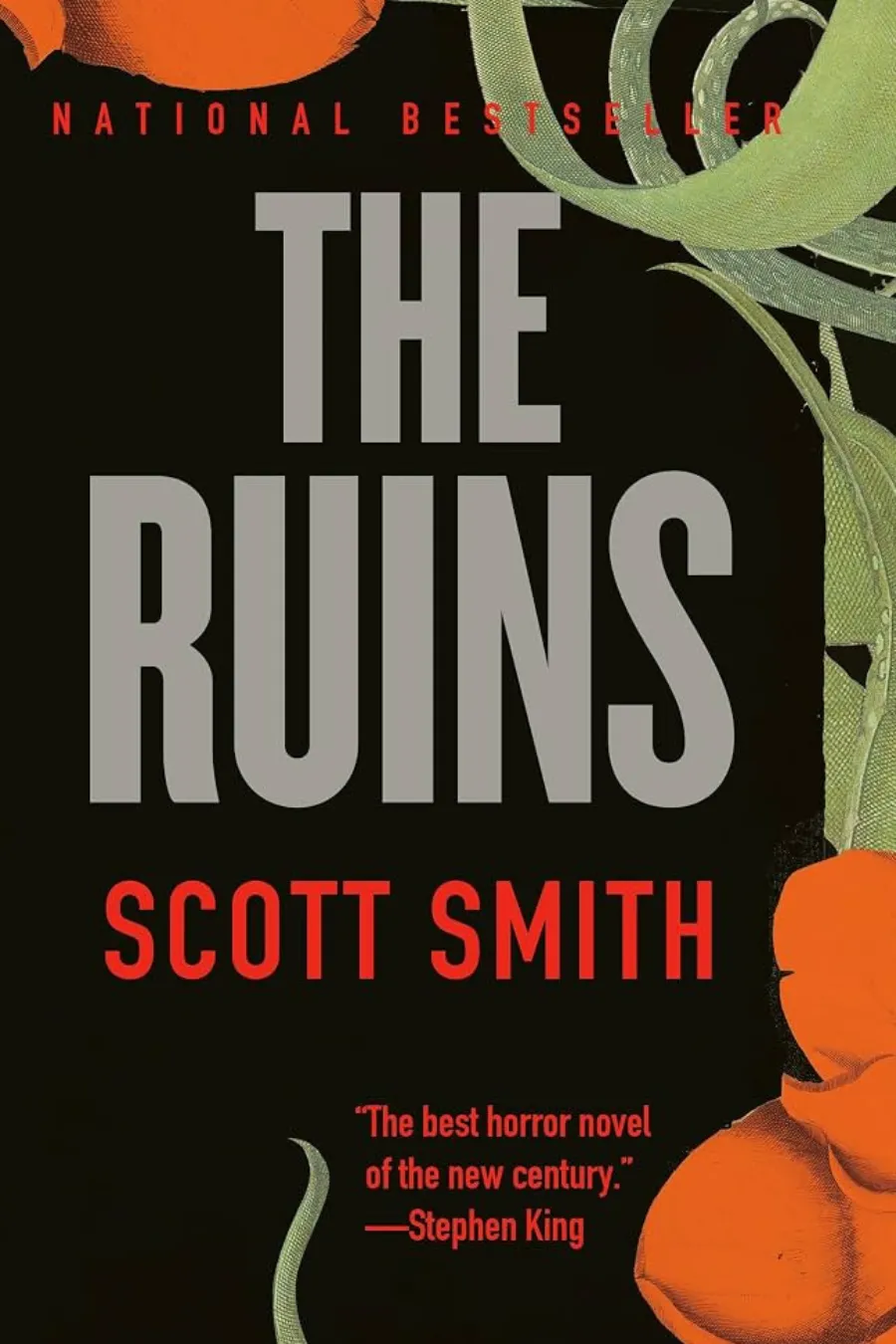
Genre: Survival horror, ecological horror, psychological thriller
Length: 432 pages
Best for: Readers who love isolation, relentless tension, and stories where escaping becomes the real nightmare.
Here’s a piece of travel advice that should be obvious but apparently needs repeating: when you’re visiting another country, perhaps don’t wander off into a remote location because a stranger suggests there’s something interesting to see.
Especially if the place is isolated, nobody seems particularly keen on helping you get there, and your instincts are quietly suggesting that you should reconsider.
The characters in The Ruins by Scott Smith make a decision along those lines, and things go spectacularly wrong.
So there’s a group of travelers who venture into the jungle to search for a missing man. Their journey leads them to an ancient ruin covered in strange vines, where armed villagers refuse to let them leave. At first, the plants seem like the least of their problems. Then the vines begin moving, invading wounds, and mimicking sounds. Suddenly, survival means facing something far more dangerous than a hostile jungle, and getting out alive may be impossible.
I love the basic setup for survival horror because it takes something familiar, a holiday with friends, and gradually strips away every reassuring detail.
At first, you’re on an adventure. Then you realize you’re stranded. Then you discover that the danger isn’t something you can simply outrun. And eventually, you start wondering whether the decisions you’re making to survive are actually making things worse.
That progression is what gives The Ruins its particular flavor of terror. The threat becomes increasingly difficult to escape, and the characters’ desperation starts doing almost as much damage as the thing they’re trying to survive.
Unlike a ghost story, where you might hope that the haunting will stop if you leave the house, this kind of horror makes the environment itself feel hostile. The place you thought was an adventure becomes a trap.
And if you’ve ever been stranded somewhere unfamiliar, even briefly, you’ll understand how quickly that sense of helplessness can become frightening.
There’s also something especially unsettling about a threat that doesn’t behave the way you expect. You can’t reason with it, negotiate with it, or rely on the usual rules of survival. Every attempt to understand the situation seems to make it worse.
Read this if: You enjoy fast-moving survival horror, remote locations, and stories that make you appreciate the simple luxury of being able to go home whenever you want. You may find yourself looking at your next holiday itinerary a little differently.
The Fisherman by John Langan
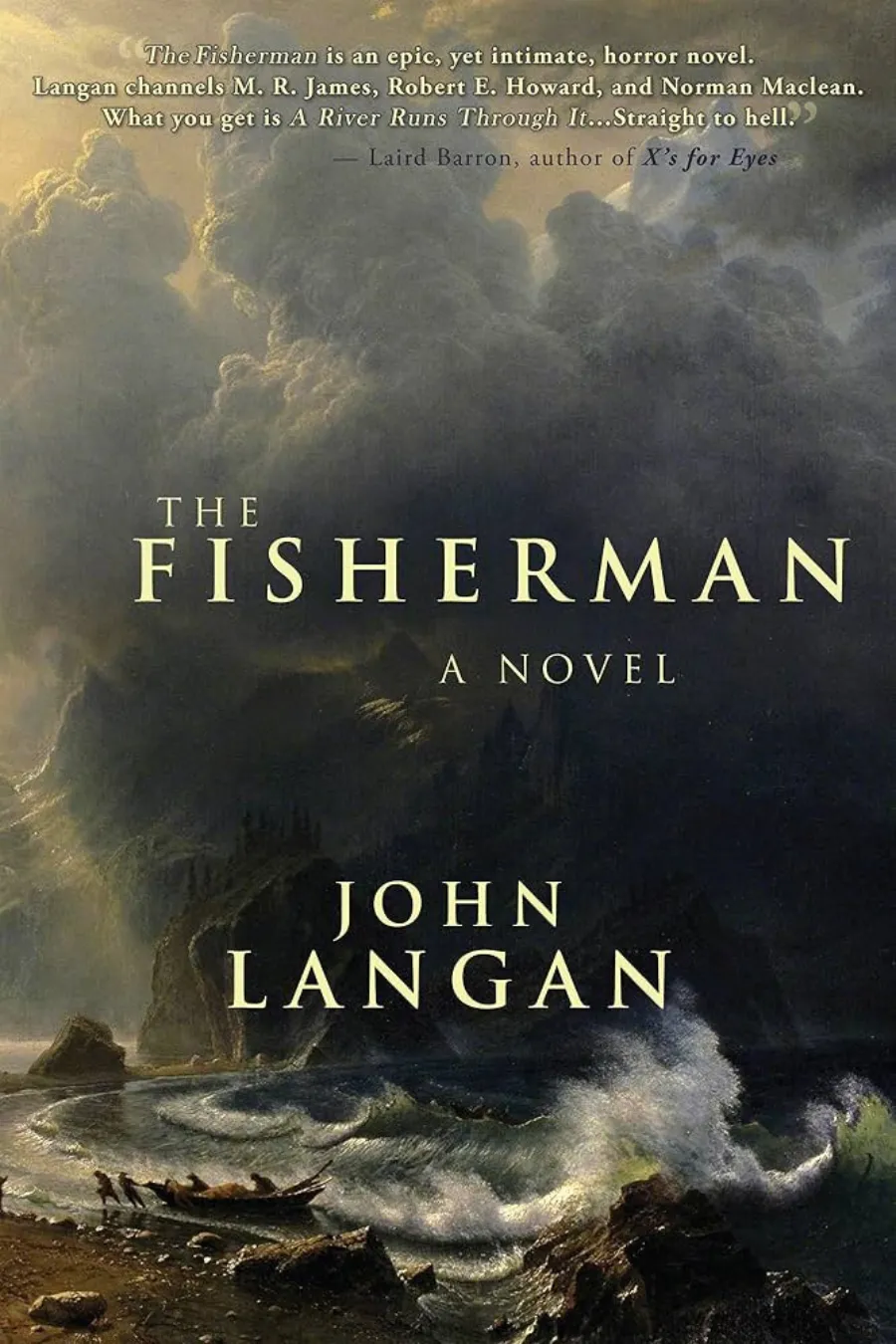
Genre: Cosmic horror, folk horror, supernatural horror
Length: 244 pages
Best for: Readers who enjoy slow-burning dread, dark folklore, and things human beings were never meant to understand.
There’s something deeply unsettling about a body of water when you can’t see what’s underneath it.
A lake can look perfectly peaceful from the shore. The surface is still, the trees are reflected in the water, and everything seems quiet enough to make you forget that there’s an entire world beneath it that you know almost nothing about.
Now imagine hearing a story about a place where something ancient and terrible is waiting beneath that peaceful surface. Would you go fishing there?
The Fisherman by John Langan follows Abe and Dan, two men drawn together by grief who discover a disturbing story connected to a fishing destination in the Catskills. What begins as a search for solace gradually opens into something far stranger and more frightening than either man could have anticipated.
This isn’t the kind of horror that necessarily rushes to scare you in the first few pages. It takes its time. It builds a story around loss, obsession, folklore, and the possibility that there are things in the world that human beings were never meant to understand.
And that’s what makes cosmic horror so effective when it works.
A conventional monster might frighten you because it can hurt you. Cosmic horror goes a step further: it makes you feel that the world itself is much larger, stranger, and more indifferent than you ever imagined.
You aren’t necessarily facing an enemy that can be defeated by finding the right weapon or discovering its weakness. You might be dealing with something whose existence challenges your entire understanding of reality.
Langan’s novel also has a storytelling quality that suits this kind of horror. It’s a story about people telling stories, with a disturbing history unfolding within the larger narrative. The result feels like listening to someone recount a terrible local legend and gradually realizing that they may know much more about it than they’re letting on.
This is a different sort of frightening from The Troop. It doesn’t rely on making you squirm at every turn. Instead, it builds a sense of unease around the unknown, leaving you to imagine the things that might exist beyond the limits of human understanding.
Read this if: You enjoy slow-burning horror, unsettling folklore, and stories that leave you thinking about what might exist beyond the limits of human understanding.
Which Scary Book Should You Read First?
That depends on what frightens you most. Some people can watch a dozen supernatural horror films without blinking but cannot handle a story involving something happening to a child’s body. Others find graphic horror manageable but become deeply uncomfortable with the idea of being watched in their own homes.
Here’s a quick guide to choosing your next nightmare.
- For psychological dread: Penpal
- For an entity invading a family’s home: Incidents Around the House
- For a famous classic with emotional depth: Pet Sematary
- For demonic possession: The Exorcist
- For graphic, stomach-turning horror: The Troop
- For relentless survival horror: The Ruins
- For slow-burning, cosmic dread: The Fisherman
My advice? Pick the book that gets under your skin in exactly the wrong way. If the thought of someone watching you without your knowledge makes you uneasy, Penpal might be a terrible choice. Naturally, that’s also a pretty good reason to read it.
Pick Your Nightmare!
Here’s my challenge for you: choose one of these books based on the kind of horror that gets under your skin, and read it after dark. No scrolling through your phone every five minutes, no checking reviews halfway through, and absolutely no searching for spoilers because you’re getting nervous.
Give the story a chance to do its work.
And if you discover that your particular nightmare is the kind that makes every small noise in your house sound suspicious, well, that’s between you and your imagination.
If you’re planning a spooky reading night, you might also enjoy our guide to Halloween websites where you can play, solve mysteries, and explore. Because apparently reading about terrifying things isn’t enough; sometimes we need to investigate them ourselves.
And if you prefer reading digitally, our guide to the best fall books on Kindle Unlimited (the uncozy edition) has more options for your autumn reading list. You can also catch up on Amazon’s new Kindles for 2026 if you’re thinking about upgrading your reading setup.
For now, pick your poison, settle in with a good book, and maybe leave the hallway light on. You know...just in case.
Happy spooky reading season! And don’t forget to take a stroll around The Reader Life.