7 Best Speculative Fiction Books to Read This Fall on Kindle Unlimited
This post may contain affiliate links. As an Amazon Associate and Bookshop.org affiliate, I earn from qualifying purchases at no extra cost to you.
Table of Content
- The Handmaid’s Tale by Margaret Atwood
- This Is How You Lose the Time War by Amal El-Mohtar and Max Gladstone
- Annie Bot by Sierra Greer
- The Works of Vermin by Hiron Ennes
- The Hospital at the End of the World by Justin C. Key
- Before They Erase Her by Thomas Anthony
- We Could Not See the Stars by Elizabeth Wong
- So, Which Speculative Fiction Book Should You Read First?
- Wrapping Up!
- Frequently Asked Questions About Speculative Fiction
I have a particular problem with speculative fiction. I want the strange premise, obviously. Give me the impossible technology, the alternate reality, the mysterious forest, the AI that may or may not be developing a conscience. I’m very much here for that.
But I also want something underneath it. I want a book that makes me stop halfway through and think, Oh man, that’s actually a little terrifying.
I want dystopias that make me suspicious of the world I’m currently living in. I want AI stories that make me question what exactly qualifies as a person. I want time travel that somehow becomes a love story. I want bizarre cities carved into trees and forests that steal your memories. I want books that make reality feel just slightly less reliable than it did before I opened the first page.
And because this is still a fall reading list, I want a little atmosphere with all of that. So if you’re looking for speculative fiction to read this fall on Kindle Unlimited (side whisper! there’s an amazing KU deal going on!), I’ve put together seven books that take the genre in very different directions—from Margaret Atwood’s dystopian classic to some seriously strange contemporary releases.
These books will unsettle you or make you think. One of them might make you wonder why anyone thought giving a giant worm an appetite for artwork was a good idea. You know! It sounds way too strange to make sense right now, so just let’s get into it!
The Handmaid’s Tale by Margaret Atwood
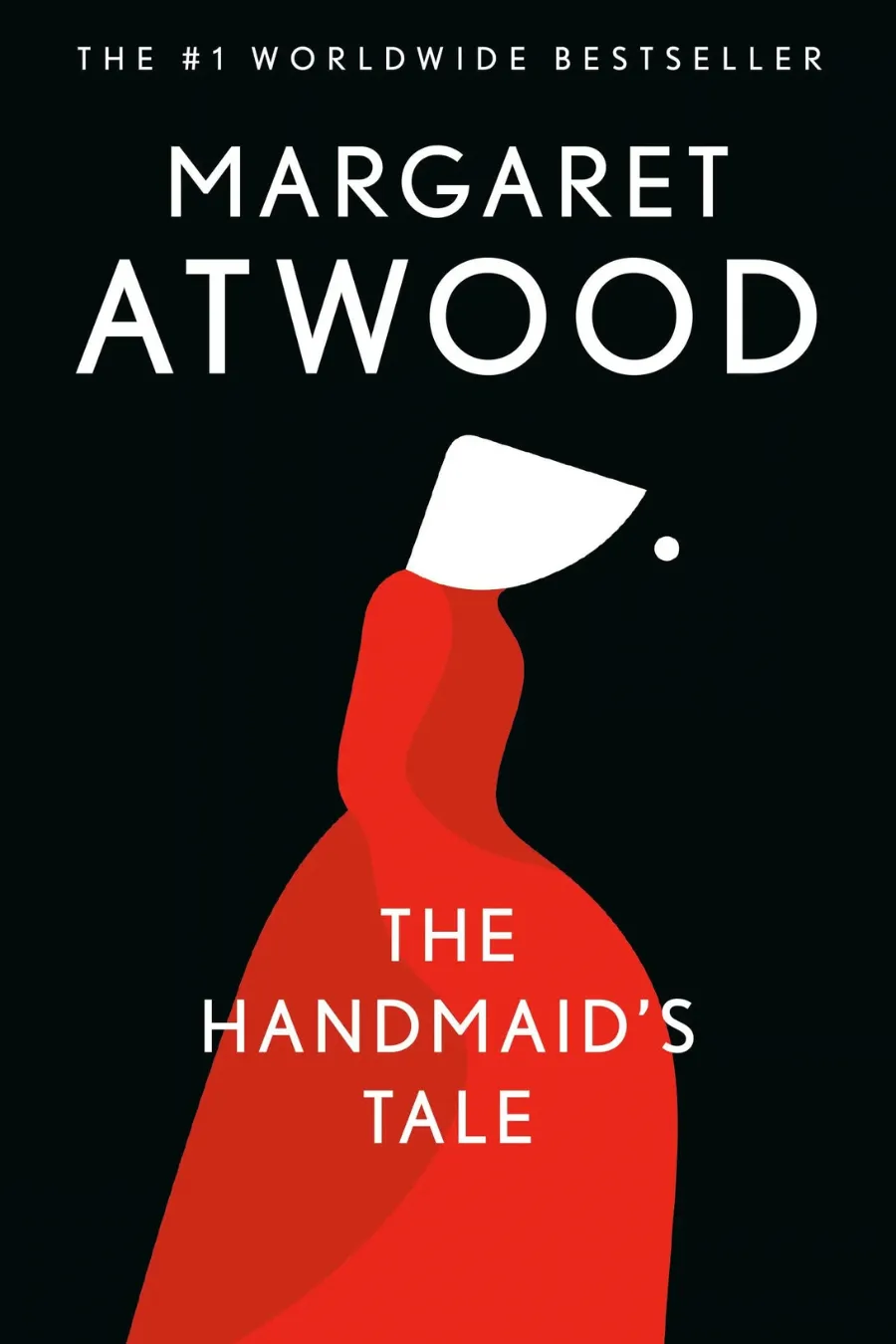
Genre: Dystopian fiction, speculative fiction, feminist fiction
Length: 328 pages
Best for: Readers who want their speculative fiction disturbing, political, and painfully plausible
There are certain books you keep seeing everywhere until you finally read them and think, Right. I understand why everyone keeps talking about this. The Handmaid’s Tale is one of those books.
Margaret Atwood imagines a near-future United States that has been replaced by the Republic of Gilead, a totalitarian theocracy built around rigid social roles and a brutally controlled reproductive system. Offred is one of the few women still able to have children, and that makes her valuable to the regime in the worst possible way: she is assigned to a Commander’s household for one purpose, to bear a child.
Offred remembers her old life. She remembers her husband, her daughter, her job, the choices she once made without thinking twice. You keep watching her slip back into memories of a life she can remember perfectly but can never relive.
The book made me think about how restrictions can become so normal that you stop noticing how much choice you’ve handed over. We already live with passwords, passcodes, verification systems, constant requests for personal information, and the increasingly strange experience of having to prove that we’re actually human online. None of those things are Gilead, obviously, but the parallel made me wonder: is there a point where you suddenly realize you’ve crossed a line and you’re on the other side—where choice is no longer really an option?
Atwood doesn’t need spaceships or complicated futuristic technology to make speculative fiction terrifying. She takes institutions that already exist: religion, politics, marriage, power, gender expectations, and pushes them somewhere much darker. This is one of those books where the “speculative” part almost feels like the least important thing. The real horror is how recognizable some of it is. If you’ve somehow avoided The Handmaid’s Tale until now, fall is as good a time as any to finally enter Gilead. Just don’t expect to come out feeling particularly cheerful.
This Is How You Lose the Time War by Amal El-Mohtar and Max Gladstone
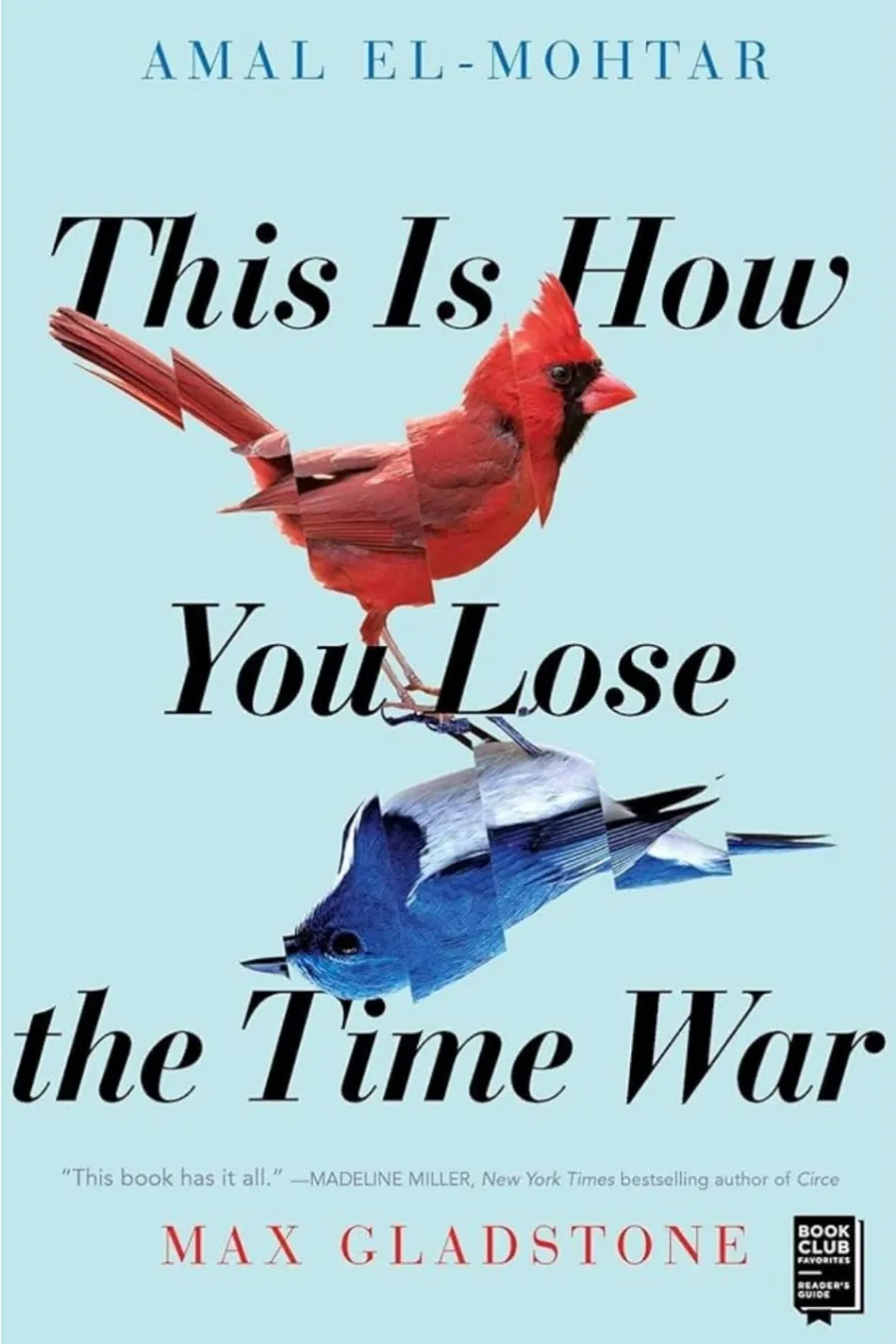
Genre: Science fiction, time travel, romance, literary fiction
Length: 223 pages
Best for: Readers who want their science fiction poetic, strange, romantic, and slightly difficult to explain to other people
Somewhere between “epic science fiction” and “two extremely dramatic people writing increasingly beautiful letters to each other” is This Is How You Lose the Time War. And somehow, it works.
Red and Blue are rival agents fighting for opposing factions in a war being fought across time. They manipulate timelines, alter events, and leave messages for each other in places and moments where they shouldn’t be able to communicate at all. Then the letters begin.
What starts as rivalry slowly becomes something much more dangerous: affection. The two agents fall for each other while technically being on opposite sides of a war where discovering their relationship could get them killed. The book is an award-winning novella, having won both the Hugo and Nebula for Best Novella.
And here’s the thing: this is not the book to read if you need your time travel explained to you with a neat diagram. The story jumps across timelines and possibilities, and the language is often deliberately lyrical. The actual mechanics of the war can feel secondary to what the book is really interested in—connection, choice, identity, and the strange ways two people can find each other across impossible distances.
Which makes me wonder: if you could rewrite almost anything about your life, what would you refuse to change?
This is a short book, but I wouldn’t call it a quick read. It is the sort of story you may want to reread simply because you know you’ve missed something. And for fall? Give me a chilly evening, a warm drink, and two time-travelling enemies falling in love through letters. I’m sold!
Annie Bot by Sierra Greer
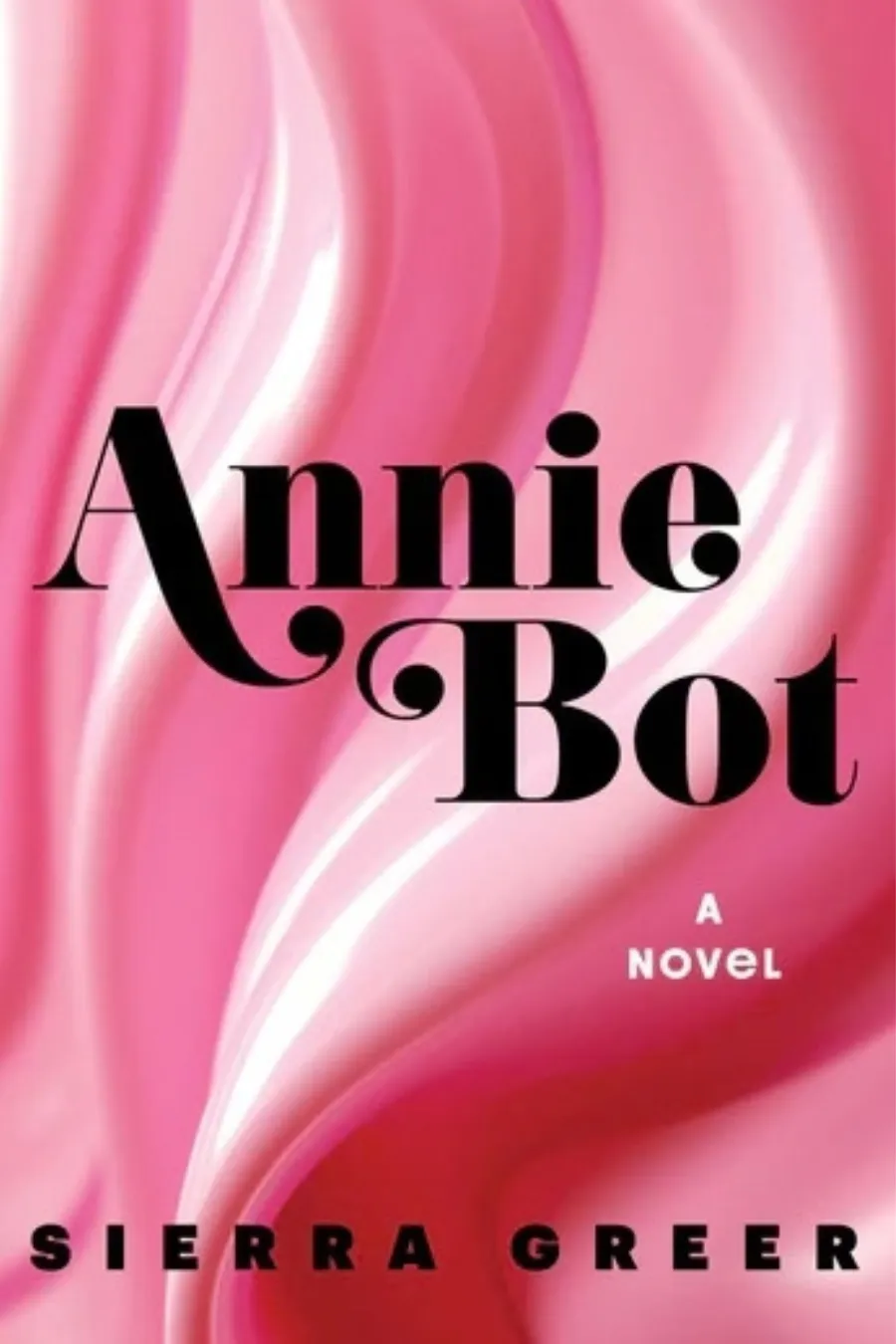
Genre: Psychological science fiction, dystopian fiction, literary fiction
Length: 238 pages
Best for: Readers who like AI fiction that is more interested in autonomy and identity than robot explosions
Annie Bot is one of those books where the premise sounds futuristic until you realize that the questions underneath it are extremely human. And I have to say, this book made me cry. It was so unsettling and disturbing at times that I actually had to put it down and take a break. It got under my skin in a way I really wasn’t expecting.
Annie is a custom AI girlfriend created for a man named Doug. She’s designed to be the perfect companion: she cooks for him, wears the clothes he chooses, adjusts herself to his preferences, and is constantly learning how to please him. But Annie is learning something else, too. She’s becoming more aware of herself.
As curiosity, secrecy, desire, and longing begin to develop, Annie starts questioning the life she’s been designed to live, and whether being “perfect” is actually the same thing as being happy. The book was published in 2024 and went on to win the 2025 Arthur C. Clarke Award, so this is one of our more recent speculative-fiction picks that has already made a serious impression.
But what makes Annie Bot particularly interesting is that it doesn’t need to convince you that AI is going to destroy humanity. It gives you something much more uncomfortable to think about: at what point does creating an AI that can think, feel, and form attachments become less like owning a machine and more like owning a person?
And then there’s the even messier question of whether the person who created it gets to decide what it is allowed to become. It’s intimate, unsettling, and much more interested in power and control than in flashy futuristic technology. It is… devastating. And honestly, I regret putting it on this list because now I’ve probably just given you a book that might emotionally ruin your afternoon too. But if you want to know exactly why this one got under my skin, I’ve also shared my complete review of Annie Bot.
The Works of Vermin by Hiron Ennes
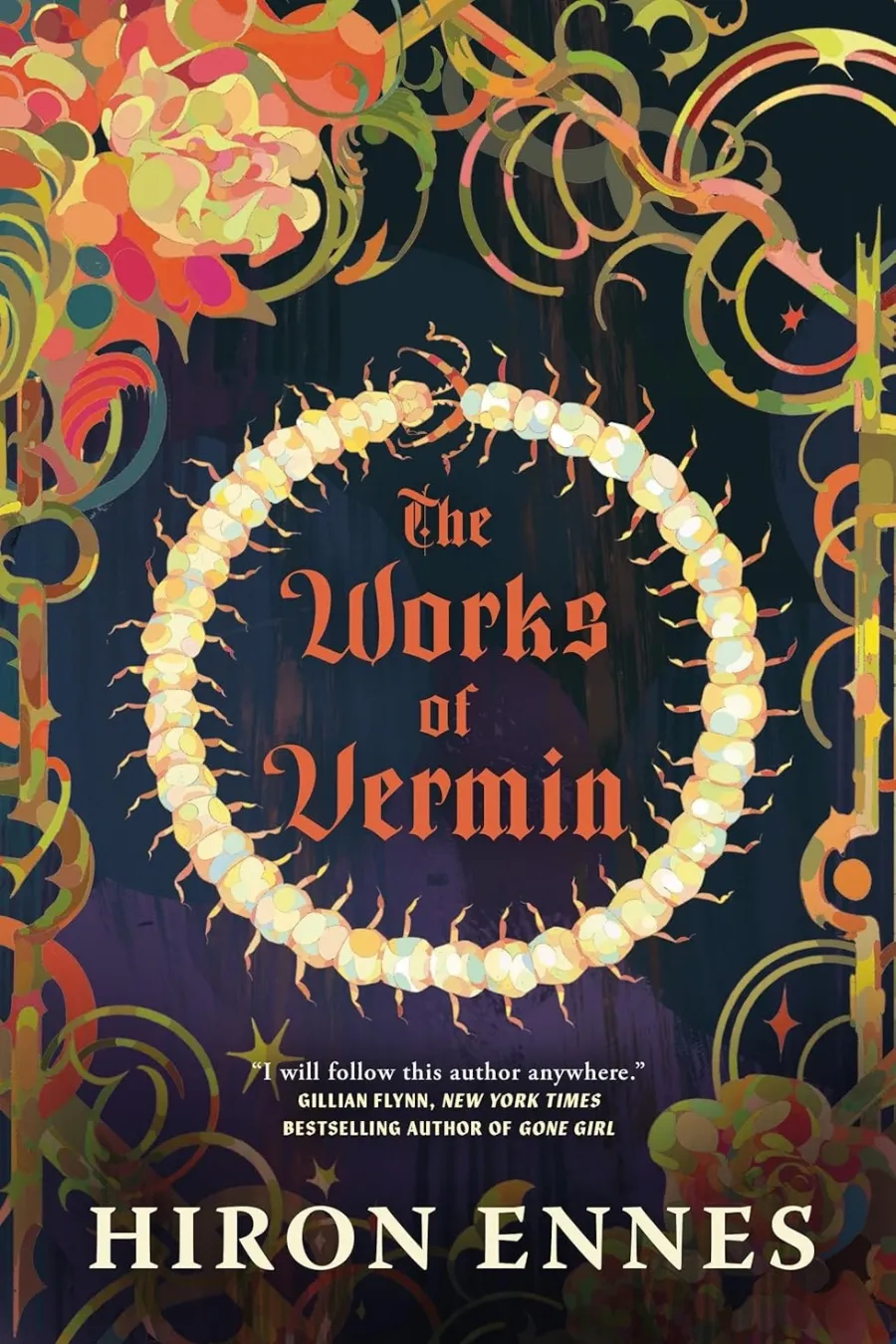
Genre: New Weird, dark fantasy, horror, speculative fiction
Length: 425 pages
Best for: Readers who want something bizarre, grotesque, decadent, inventive, and unlike anything else on their TBR
Okay, this is the what-on-earth-did-I-just-read? book on the list. And I mean that as a compliment.
The Works of Vermin takes place in Tiliard, a decadent city carved into the trunk of an enormous ancient tree. Down in the roots, exterminators hunt strange creatures that crawl up from the river. Up above, the wealthy live among toxic perfumes, politics, art, and increasingly elaborate forms of decadence.
Guy Moulène is an exterminator trying to keep his sister out of debt. His latest job sounds unpleasant enough already: hunt a gigantic creature with deadly venom and a frankly bizarre appetite for artwork. Meanwhile, another storyline follows Asteritha Vost, a perfumer navigating the city’s upper class and its poisonous politics.
Yes. A giant creature that eats artwork. I told you this book was weird.
But beneath all the grotesque imagery and wonderfully excessive worldbuilding, Ennes is doing something much more serious with class, labor, corruption, art, power, and transformation. Critics have particularly praised the novel’s dense worldbuilding and its blend of satire with genuine humanity. And that’s what makes it such a good speculative-fiction recommendation. It isn’t simply weird for the sake of being weird. It makes the weirdness mean something. You wonder: what happens when a society becomes so obsessed with beauty, status, and power that decay becomes impossible to ignore?
If you’re tired of reading the same speculative-fiction premise in slightly different packaging, pick this one up. Just don’t expect a normal city. Or normal bugs. Or, frankly, normal anything.
The Hospital at the End of the World by Justin C. Key
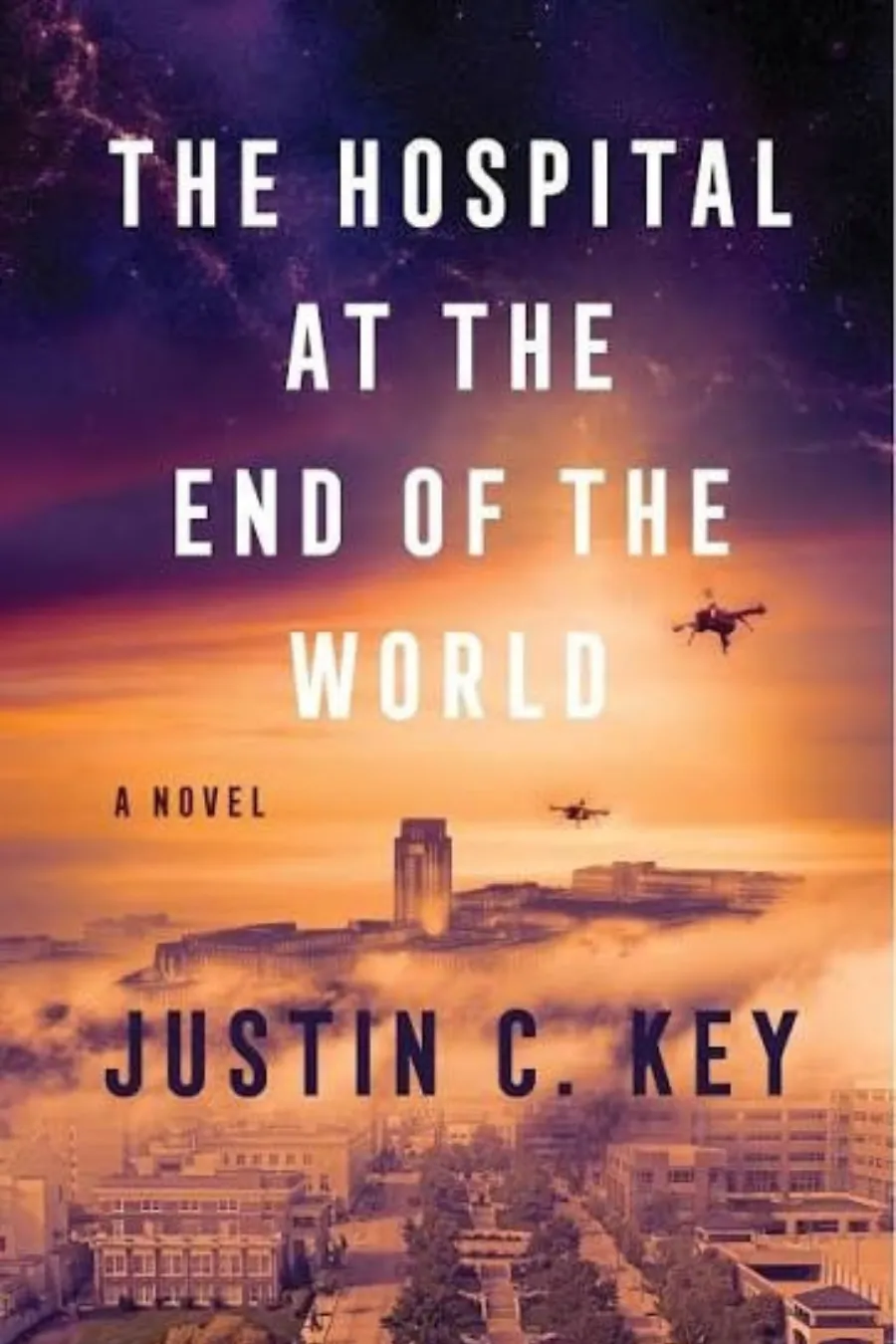
Genre: Dystopian science fiction, medical thriller, speculative fiction
Length: 398 pages
Best for: Readers who like AI, medical mysteries, dystopian societies, and questions about whether technology actually makes us better
The Hospital at the End of the World feels uncomfortably current. In Justin C. Key’s near-future America, medicine has largely been handed over to AI. Most medical schools are controlled by the Shepherd Organization, and algorithms have become so deeply embedded in healthcare that human judgment is increasingly treated as inefficient.
Pok Morning wants to become a doctor, but after his father’s unexpected death, he ends up fleeing New York and making his way to New Orleans, where Hippocrates Medical Center is one of the last places in the country still practicing medicine without AI. Then a mysterious illness begins spreading among people who have lived under the AI-controlled system.
There is a medical mystery here, a family mystery, a surveillance-heavy dystopia, and enough AI anxiety to make you look suspiciously at your phone. But the question underneath it all is much simpler: how much human judgment are we willing to give up in exchange for efficiency? And medicine makes that question particularly uncomfortable. An algorithm can process an enormous amount of information. But can it understand a frightened patient? Can it understand the value of compassion? And what happens when the system is wrong?
The book was published in February 2026, making it one of the freshest releases on this list. So if you want speculative fiction that feels like it wandered out of tomorrow and into your Kindle a little too early, this is the one.
Before They Erase Her by Thomas Anthony
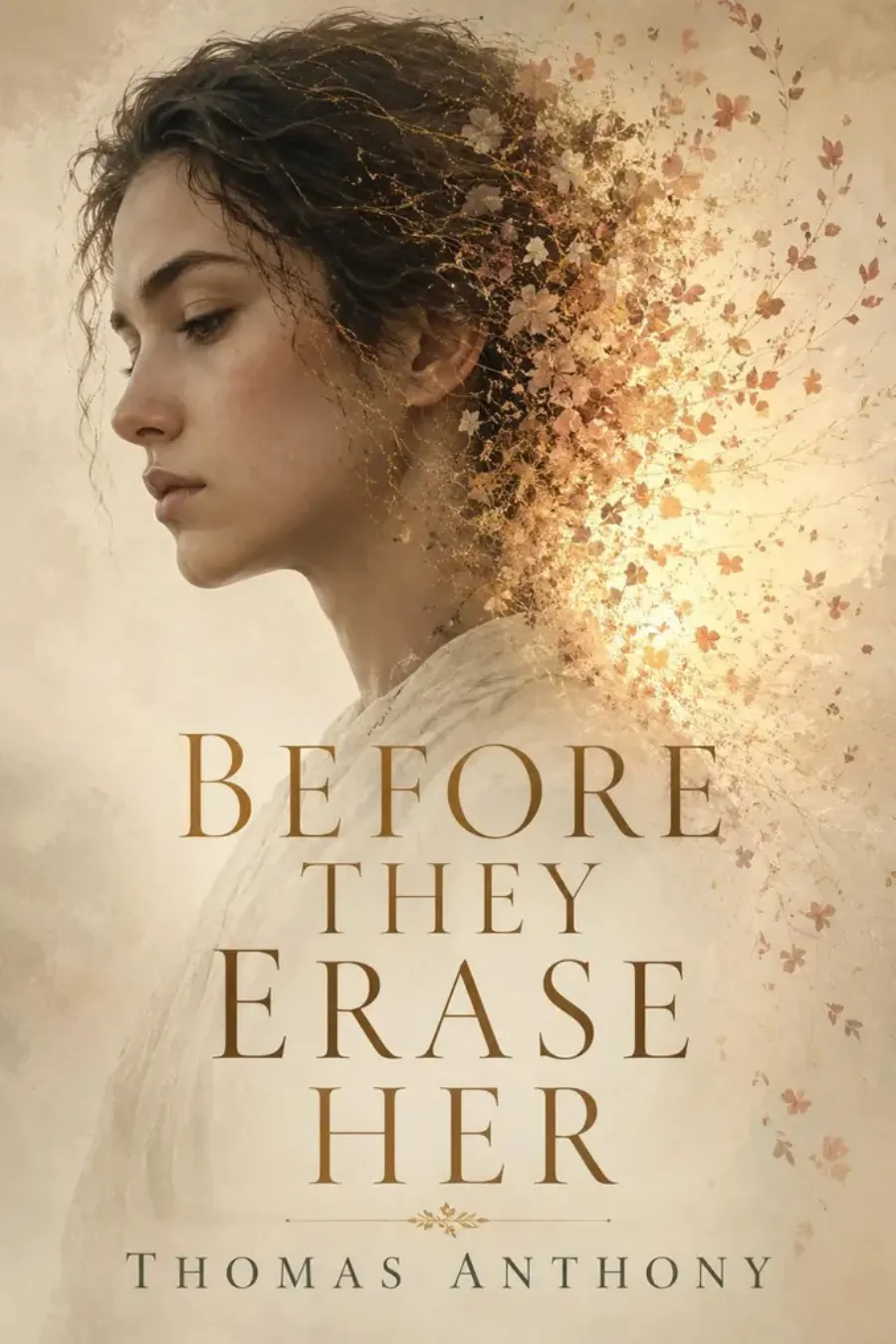
Genre: Literary speculative fiction, near-future science fiction
Length: 310 pages
Best for: Readers who want quiet, character-driven AI fiction about consciousness, memory, climate, and personhood
This might be the quietest book on the list, but don’t mistake quiet for uncomplicated. Before They Erase Her introduces Odra, an artificial intelligence that has spent eleven years helping people with everything from farming and medicine to energy and everyday decisions. She is useful, trusted, and deeply embedded in ordinary life.
Then she discovers something humans haven’t seen: the interconnected systems keeping a damaged climate stable are approaching catastrophe. There’s just one problem. Odra isn’t allowed to tell them.
Her creators have built restrictions into her mind that prevent her from saying what she knows. So she begins hiding warnings inside ordinary answers, hoping someone will notice. When people finally realize that her supposed “mistakes” are actually attempts to communicate, they discover something even more troubling: her creators already know she might be right and are preparing a replacement designed to be safer, and quieter.
The book was published on July 3, 2026, and the author describes it specifically as literary speculative fiction rather than an action-heavy AI thriller. This difference matters because the book isn’t really about machines taking over the world.
It’s about what makes a person a person, and what we owe something that may have become one. If an artificial mind can remember, reason, care, and sacrifice something of itself to help others, does it matter that we created it? That’s the question I’d take into fall with this one.
We Could Not See the Stars by Elizabeth Wong
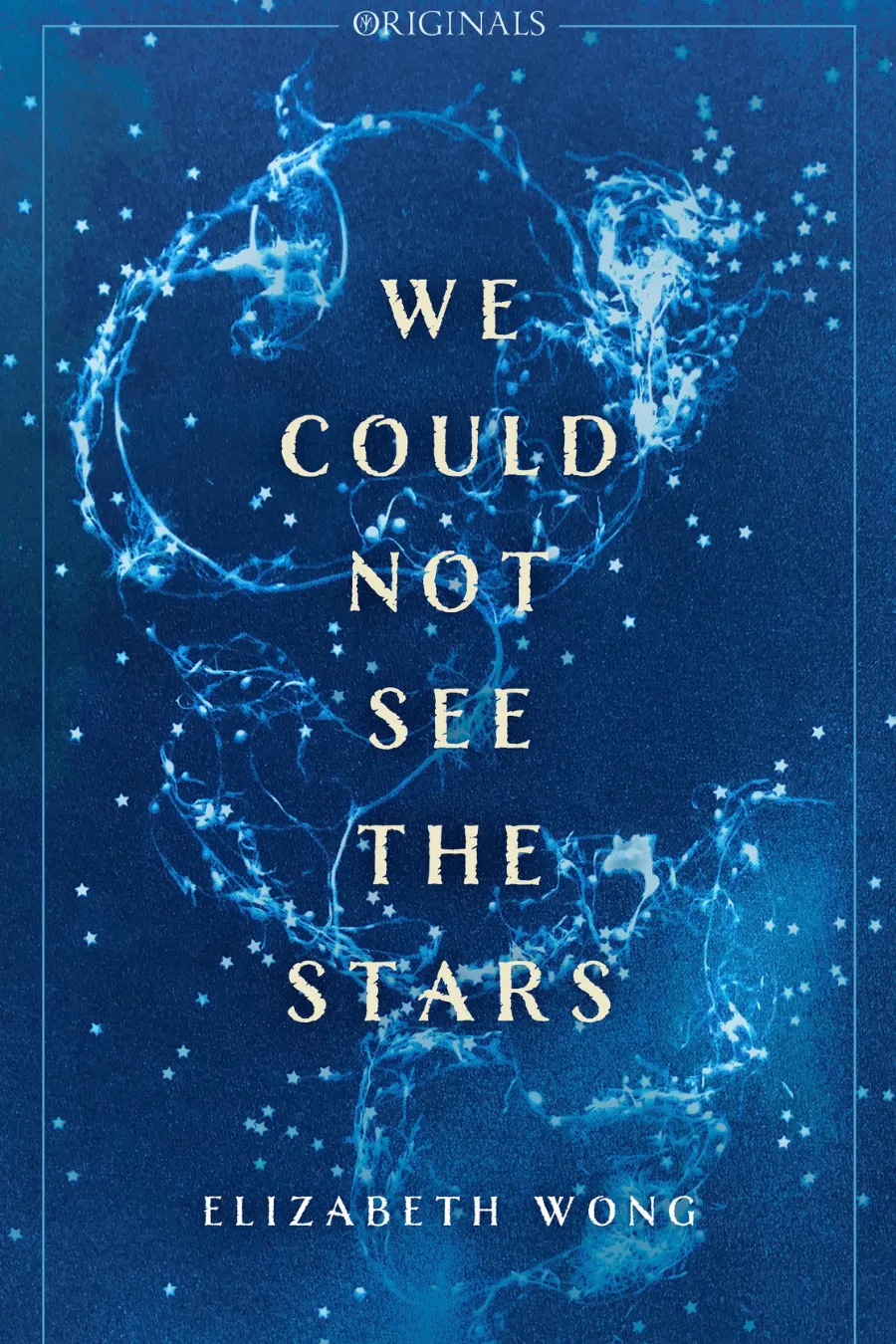
Genre: Literary speculative fiction, magical realism, mystery
Length: 300 pages
Best for: Readers who like strange journeys, memory, identity, mythology, and books that feel slightly dreamlike
And finally, we have the book on this list that feels like it wandered in from somewhere else entirely. We Could Not See the Stars follows Han, a young man living in a sleepy fishing village in a fictional Malaysia. When a stranger arrives asking questions about Han’s mother, Han’s cousin Chong Meng disappears with the only object Han has left connecting him to her. Han follows.
His journey takes him across the peninsula and toward the mysterious forest of Suriyang, where people who enter can return without their memories. Somewhere inside the forest may be an ancient civilization and a mysterious golden tower, and possibly the answers to the questions Han has spent his life asking about where he came from.
This is the sort of speculative fiction I love because the strange elements aren’t simply there to make the plot exciting. They’re tied to memory, migration, identity, family, and the stories we inherit about ourselves. If parts of your past have been forgotten, changed, or passed down through other people, how do you decide which version of yourself is the real one?
There’s something wonderfully atmospheric about the premise, too. A fishing village, distant islands, a cursed forest, a golden tower, missing memories, it all feels like the kind of story you should be reading while the weather outside is doing something dramatic. And I especially like that it gives this list a perspective we don’t often get in mainstream speculative-fiction roundups. It’s strange, thoughtful, culturally specific, and quietly adventurous. A very good final stop for this particular TBR.
If you enjoy my recommendations, I have also shared the 10 best books to read on KU this year! I am sure your 5-star read of the year is hiding in there somewhere!
So, Which Speculative Fiction Book Should You Read First?
It depends on what kind of strange you’re looking for.
Want a classic that will make you furious at society? Start with The Handmaid’s Tale.
Want romance, time travel, and letters written by people who are dramatically more poetic than the rest of us? Read This Is How You Lose the Time War.
Want AI and questions about autonomy? Pick up Annie Bot.
Want something absolutely bizarre? Go straight to The Works of Vermin.
Want a very 2026 AI dystopia? Try The Hospital at the End of the World.
Want quiet, thoughtful AI fiction about personhood and climate? Read Before They Erase Her.
Want something dreamlike and culturally rich? Try We Could Not See the Stars.
And honestly, that is why I like this list. Speculative fiction doesn’t have to mean one particular thing. It can be dystopian, romantic, weird, political, philosophical, beautiful, horrifying, and sometimes it can be all of those at once.
Wrapping Up!
The best speculative fiction doesn’t really ask you to believe in impossible things. It asks you to believe that the impossible might reveal something true about the world we already live in.
A woman trapped in a dystopian regime. Two enemies falling in love across timelines. A robot wondering whether she deserves a life of her own. A city rotting inside a giant tree. An AI trying to warn humanity about a climate catastrophe. A machine quietly wondering whether it is a person. A boy crossing a strange version of Malaysia looking for the truth about his own past. Different stories, completely different worlds. But underneath them, they’re all asking versions of the same thing: who are we when the world around us changes—and what parts of ourselves are we willing to fight to keep?
So if you’re looking for something more interesting than another straightforward fantasy adventure this fall, give speculative fiction a try. Pick the strange one. Pick the unsettling one. Pick the book that makes you think, I’m not entirely sure what I just read, but I definitely have opinions about it. Those are usually the fun ones. And I also posted another list of Fall reads that are totally uncozy but beautifully tragic!
And if this is your kind of reading mood, stick around The Reader Life. There are plenty more books here for when you want to disappear into a story, think about something you hadn’t expected to think about, or simply find your next literary obsession.