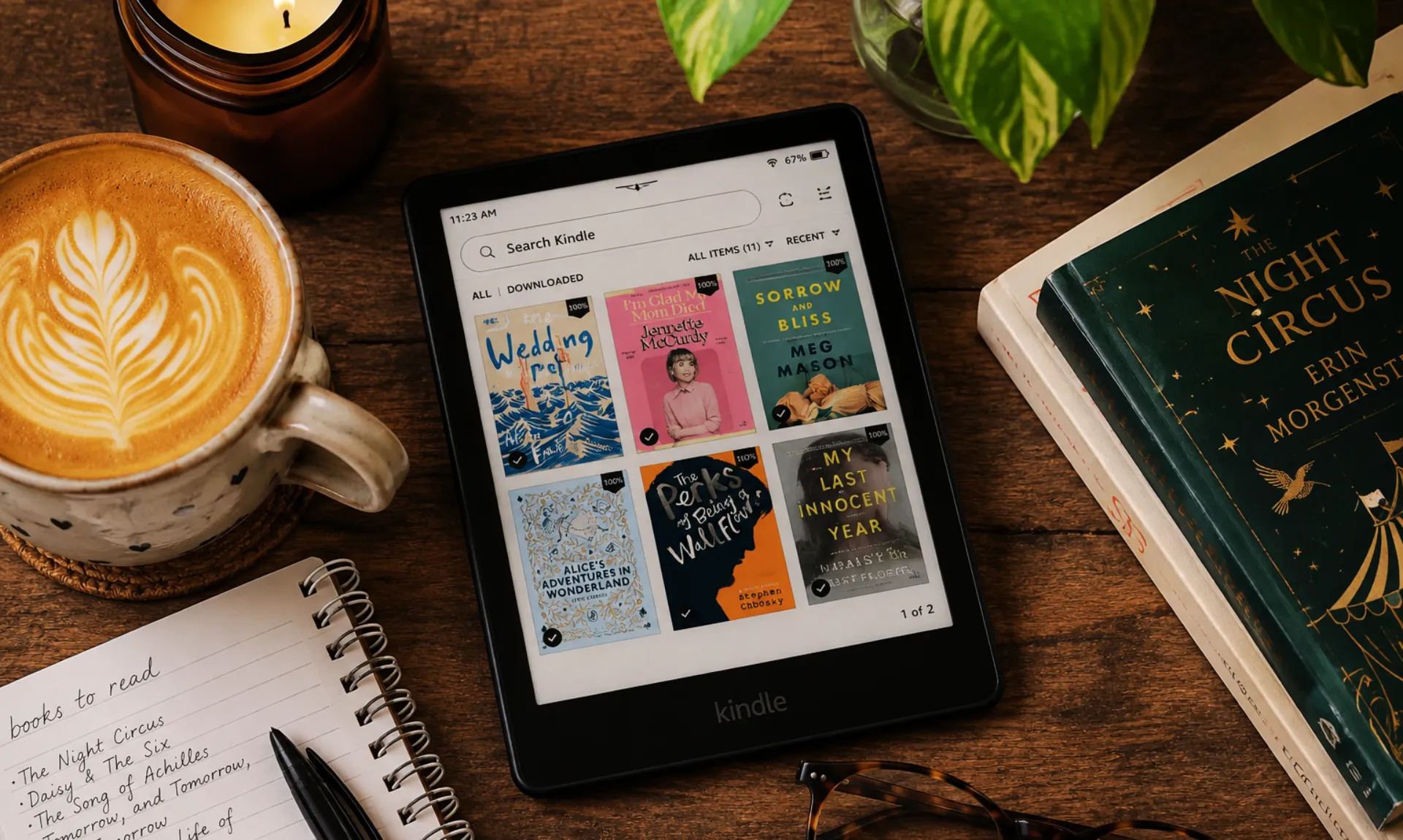
11 Fiction Books on Kindle Unlimited Worth Adding to Your TBR
This post may contain affiliate links. As an Amazon Associate and Bookshop Affiliate, I earn from qualifying purchases at no extra cost to you.
Table of Content
There is a particular kind of disappointment that comes from finishing a book and thinking, well… meh! that was 300 pages I’ll never get back to! I don’t want that for you.
When I recommend a book, I want there to be a reason for it. Maybe the characters have been living rent-free in my head for weeks. Maybe I couldn’t stop turning the pages. Maybe it made me laugh at exactly the wrong moment, or left me thinking about one tiny idea long after I had closed the book. And occasionally, it’s simply a book I loved so much that I find myself wondering why more people aren’t talking about it.
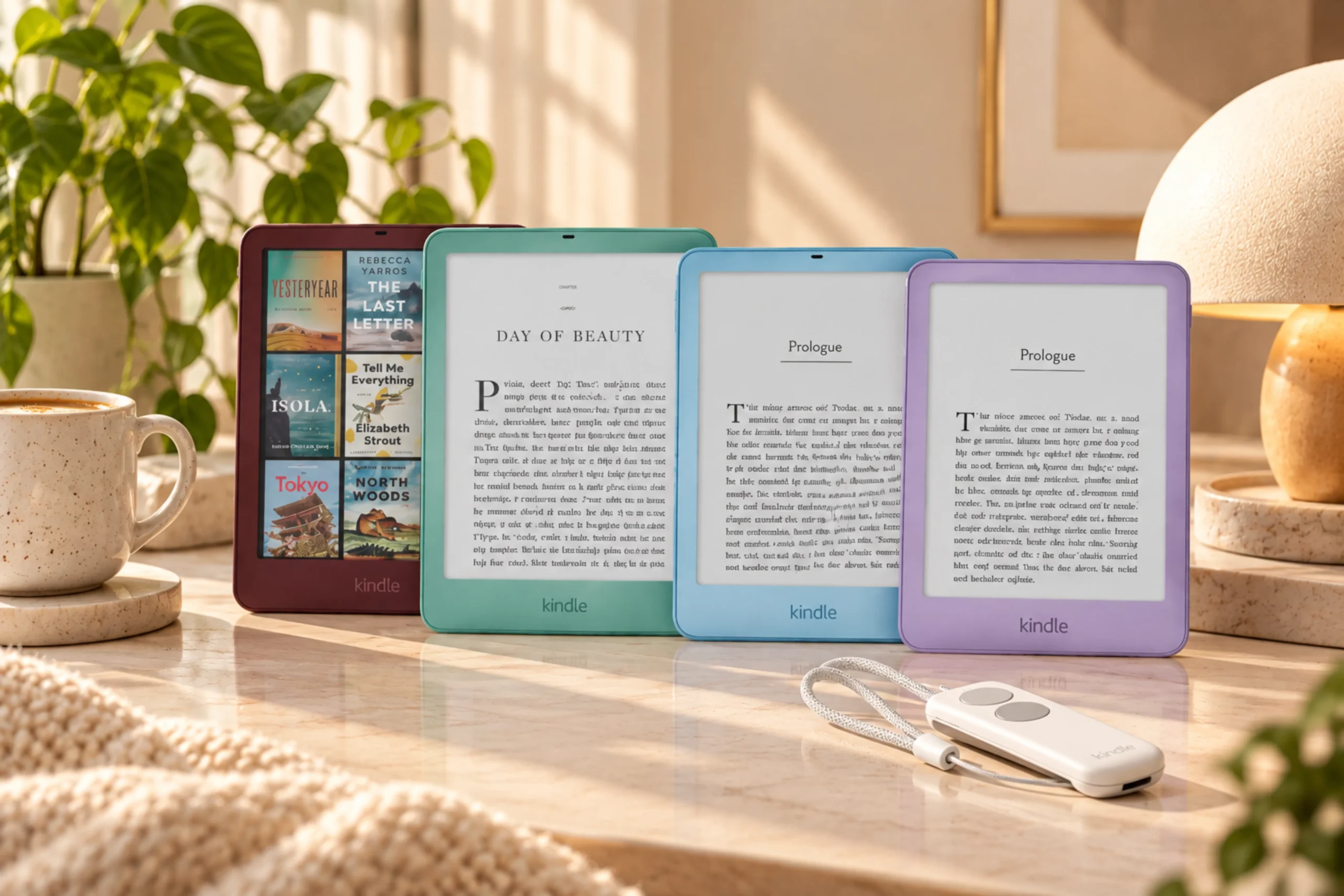
So this isn’t a list of the most popular fiction books on Kindle Unlimited, and I’m certainly not claiming these are the eleven greatest novels ever written. These are 11 books I genuinely think are worth making room for on your TBR… and they happen to be on KU, so if you’re a Kindle girlie like me, hurray! If not, you can always get your hands on these books! They’re worth every penny. And if you’re thinking of buying a Kindle, I have got the complete Kindle buying guide for you!
Some of these books have millions of readers. Others deserve considerably more attention. But every one of them gave me a reason to keep reading. And isn’t that really what we’re looking for when we pick our next book?
My Last Innocent Year by Daisy Alpert Florin
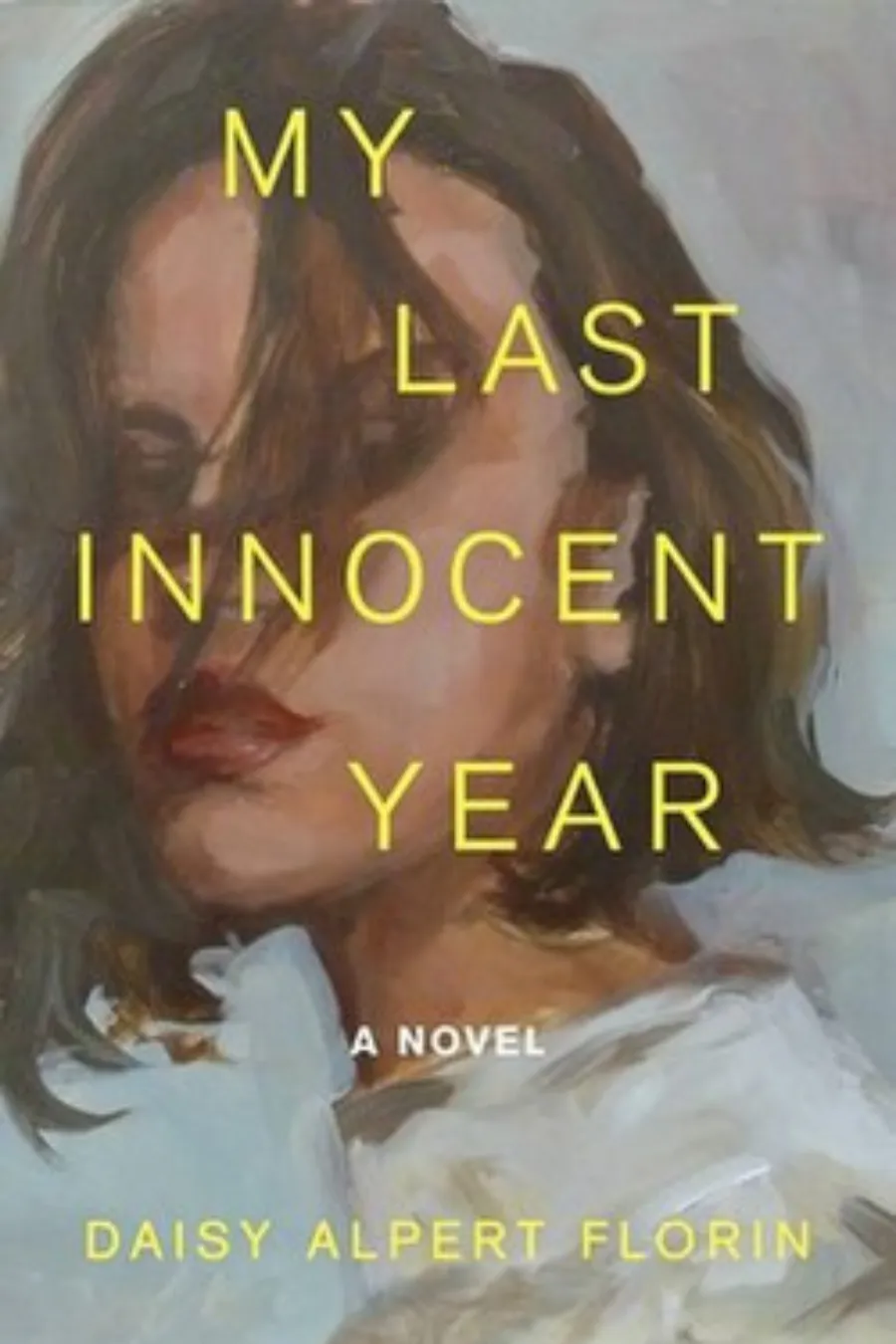
Genre: Literary fiction / Coming-of-age
Length: 299 pages
Best for: Readers who like morally complicated characters, professor/student trope, campus novels, complicated relationships, class and identity themes, and coming-of-age stories that don’t hand you easy answers.
Let me start with the book on this list that I think deserved considerably more attention. My Last Innocent Year follows Isabel Rosen during her final semester at an elite New England college in 1998. She’s already carrying grief, class insecurity, and a complicated relationship with the idea of who she is supposed to become. Then a nonconsensual encounter and an affair with her married writing professor throw everything further off course.
It sounds like the kind of book that could easily become a predictable story about a young woman making bad decisions. It isn’t. What I loved about Isabel is that the book doesn’t make her particularly convenient to understand. She wants to escape her working-class background but is still attached to it. She wants independence but is also drawn toward people who have power over her. She wants to be seen as an adult while still figuring out what adulthood actually means.
Basically, she is a mess. And that’s why she feels very relatable. There is something particularly sharp about reading a coming-of-age story where “growing up” doesn’t mean suddenly becoming wise. Sometimes it just means becoming more honest about what you want, what you’ve done, and what you don’t yet understand.
I also loved the way the book explores the blurry line between being young and being inexperienced, being desired and being valued, and being told you’re mature enough to make your own choices while still being treated as someone else’s possession. This is one of those books where I finished it and thought: how did this not get talked about more? If you like literary fiction that leaves you slightly uncomfortable but very interested in what you think about it, don’t skip this one.
The Seven Husbands of Evelyn Hugo by Taylor Jenkins Reid
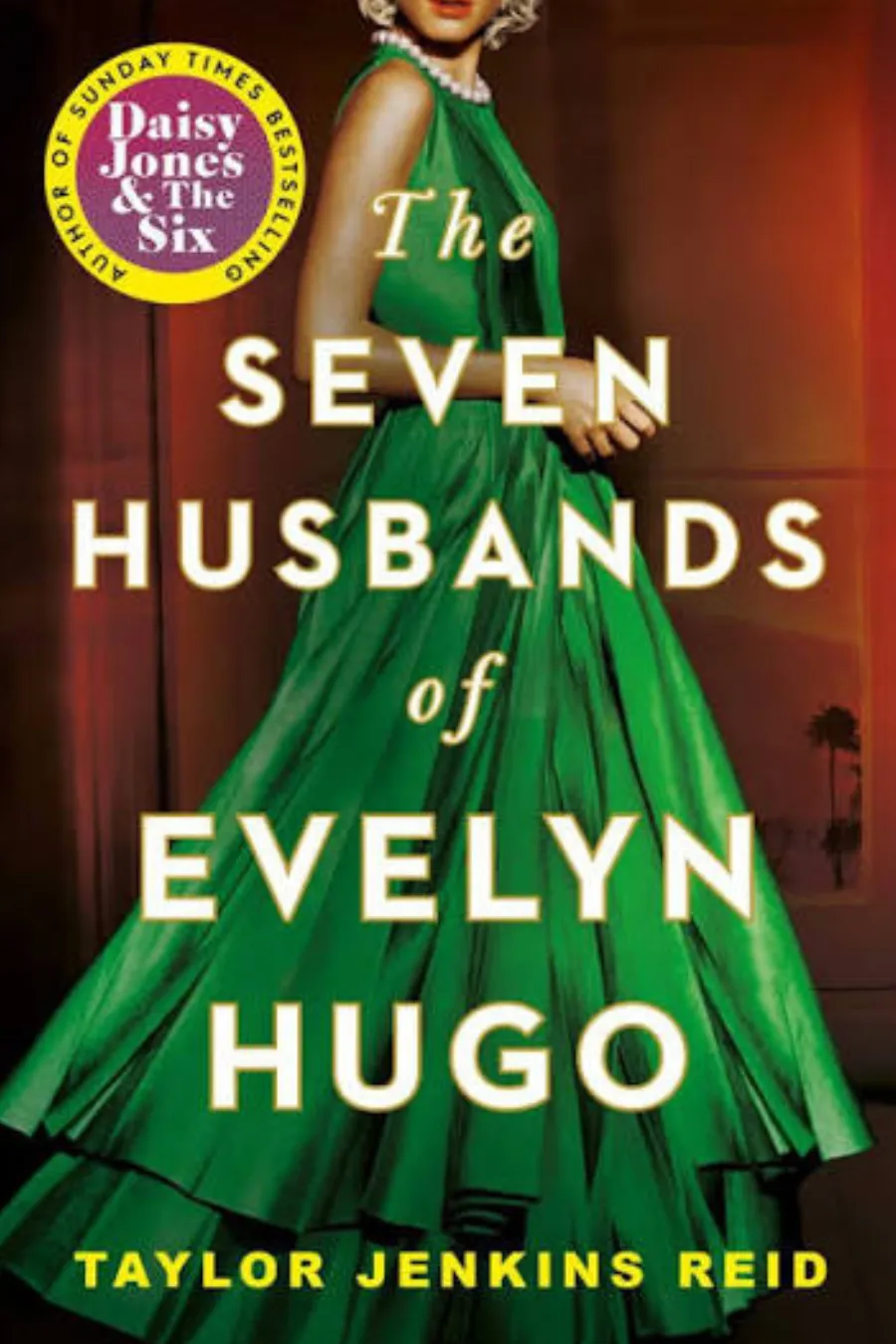
Genre: Historical fiction / Romance / Contemporary fiction
Length: 400 pages
Best for: Readers who love complicated women, old Hollywood, ambition, secrets, forbidden love, and characters who are impossible to reduce to “good” or “bad.”
Evelyn Hugo has had seven husbands. That is the least interesting thing about her. The book begins when the legendary Hollywood actress, now older and living in seclusion, chooses an unknown journalist named Monique Grant to tell her life story. Why Monique? Why now? And why is Evelyn finally ready to tell the truth? Those questions are enough to pull you in.
But Evelyn is what keeps you there. She is ambitious to the point of ruthlessness. She is glamorous, calculating, vulnerable, selfish, loving, and occasionally infuriating. She knows exactly how Hollywood works and exactly how much of herself she is willing to sacrifice to get what she wants. And I think that is why she is so much more interesting than a conventional “strong female character.”
She’s not particularly nice, but believe me, she is super interesting. The book also has a clever way of making you question the stories we build around famous people. Evelyn has spent her entire life being looked at, photographed, desired, judged, and turned into a version of herself that other people can consume.
But who is she when nobody is watching? That is where the book gets you. You might start reading because you’re curious about the seven husbands. You will probably finish because you suddenly care very deeply about the woman who had them. And if you somehow still haven’t read this one because you’ve seen it recommended approximately 4,000 times, consider this your permission to finally give in.
The Lost Bookshop by Evie Woods
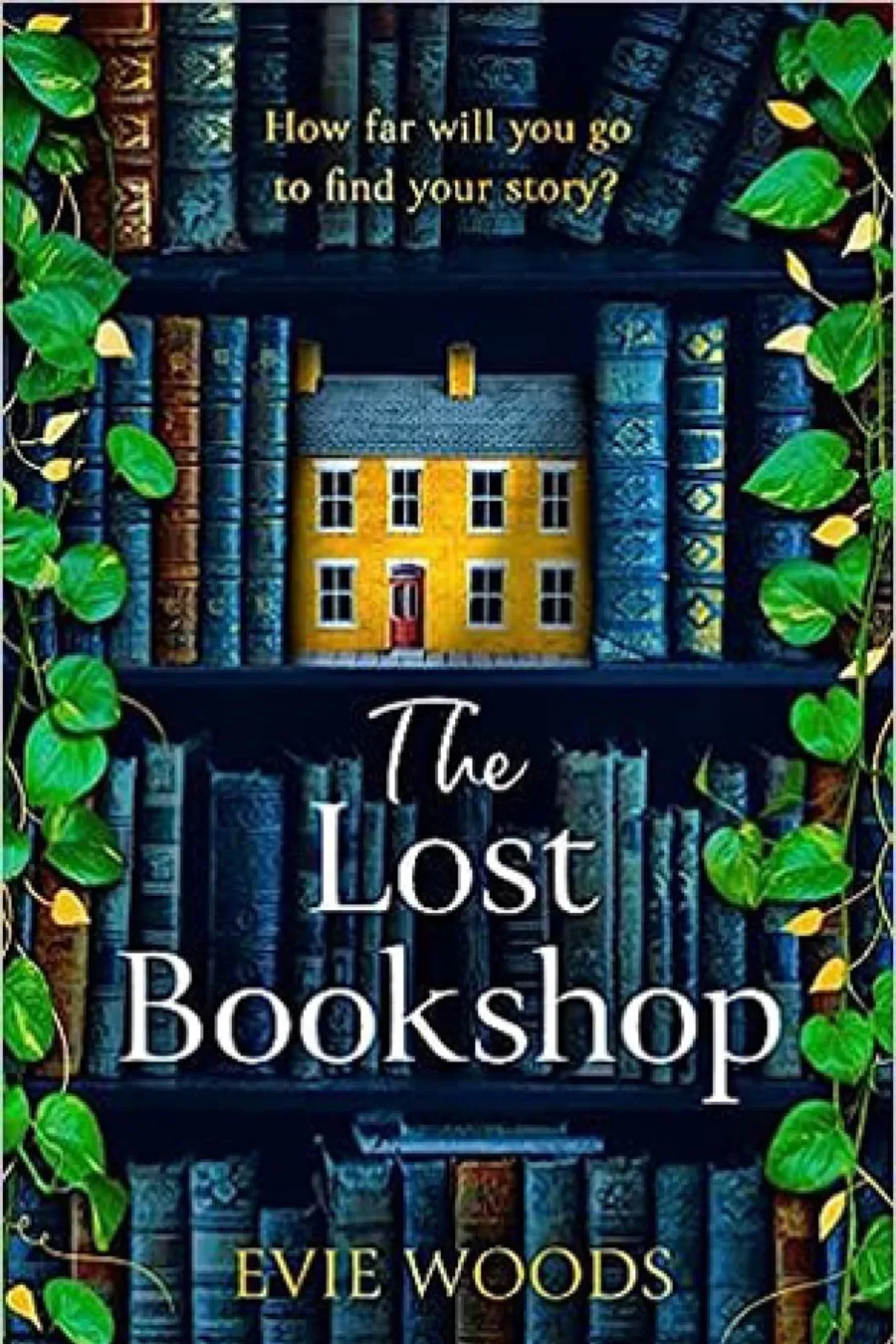
Genre: Magical realism / Historical fiction / Contemporary fiction
Length: 444 pages
Best for: Readers who love mysterious bookshops, stories about second chances, literary magic, and books that feel like an escape from real life.
I have very little resistance to a book that puts a mysterious bookshop at the center of the story. None, actually.
The Lost Bookshop follows Opaline, Martha, and Henry, three people who have somehow ended up feeling like side characters in their own lives. Their stories become tangled up with a mysterious bookshop in Dublin, and from there, things get wonderfully strange.
What I liked most about this book isn’t even the mystery. It’s the atmosphere. There are books everywhere. There are secrets. There is history. There is magic. There is the feeling that if you walked down the right street at exactly the right time, you might stumble across a door that wasn’t there yesterday. And honestly, I want to live in that version of Dublin.
But underneath all the whimsy is something much more grounded. Opaline, Martha, and Henry are all trying, in different ways, to figure out how to stop living as supporting characters in their own stories, and that’s what really got me. Because sometimes the most satisfying books aren’t about someone becoming wildly successful or finding a perfect life. Sometimes they’re about someone finally realizing that the life they’ve been tolerating doesn’t have to be the life they keep choosing.
Add in a mysterious bookshop and I’m sold. If your ideal reading experience involves getting slightly lost in a story and forgetting what time it is, this is your book.
Head Fake by Scott Gordon
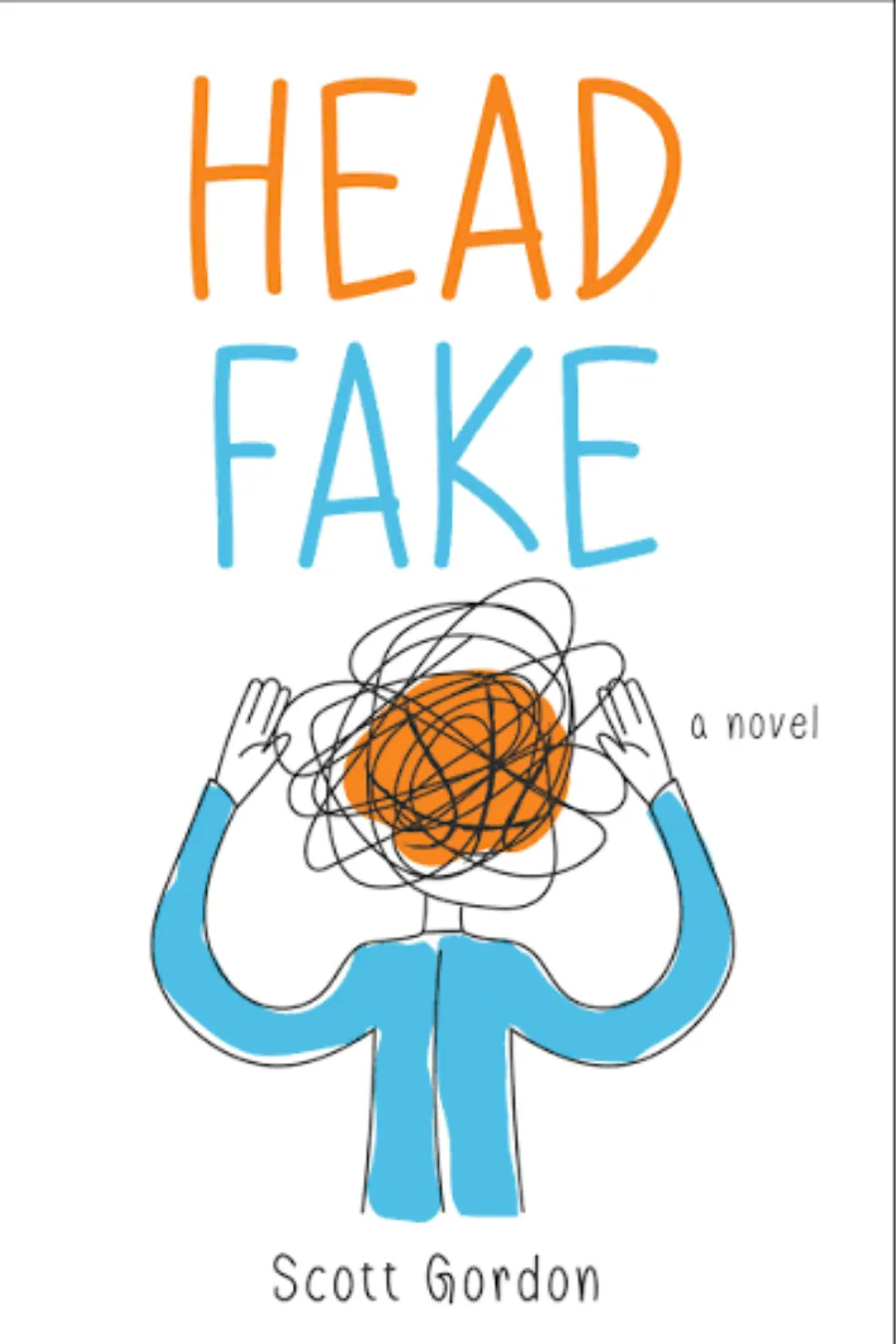
Genre: Contemporary fiction / Sports fiction / Dark comedy
Length: 332 pages
Best for: Readers who like dark humor, unlikely friendships, flawed characters, basketball, and hopeful stories that don’t feel overly sentimental.
Mikey has a sense of humor. He needs one! After struggling with depression and a string of failed jobs, he becomes the basketball coach at a high school for high-risk offenders dealing with mental illness. The students aren’t exactly lining up to welcome him, and the previous coach’s departure involved an attempted strangling. So things are going well.
What makes Head Fake work is that it never turns Mikey into the inspirational hero you might expect from this setup. He’s not effortlessly wise. He doesn’t walk into the school knowing exactly what these kids need. He’s struggling too. And that makes the relationships in the book much more believable.
The humor is also genuinely funny, which I appreciated because the subject matter could have easily made this a very heavy read. Instead, Scott Gordon lets Mikey joke his way through some incredibly difficult situations without pretending those situations aren’t difficult. Sometimes humor is not the opposite of pain. Sometimes it’s how people survive it.
I also loved the underlying idea that purpose can find you in places you were actively trying to avoid. Mikey doesn’t exactly dream of coaching a group of teenagers who would rather fight than listen to him. Yet somehow, this completely ridiculous job starts giving his life some shape. It’s messy, funny, uncomfortable, and much more heartfelt than I expected.
And if you normally hear “uplifting novel” and immediately want to run in the opposite direction, give this one a chance. You won’t regret it!
The Things We Cannot Say by Kelly Rimmer
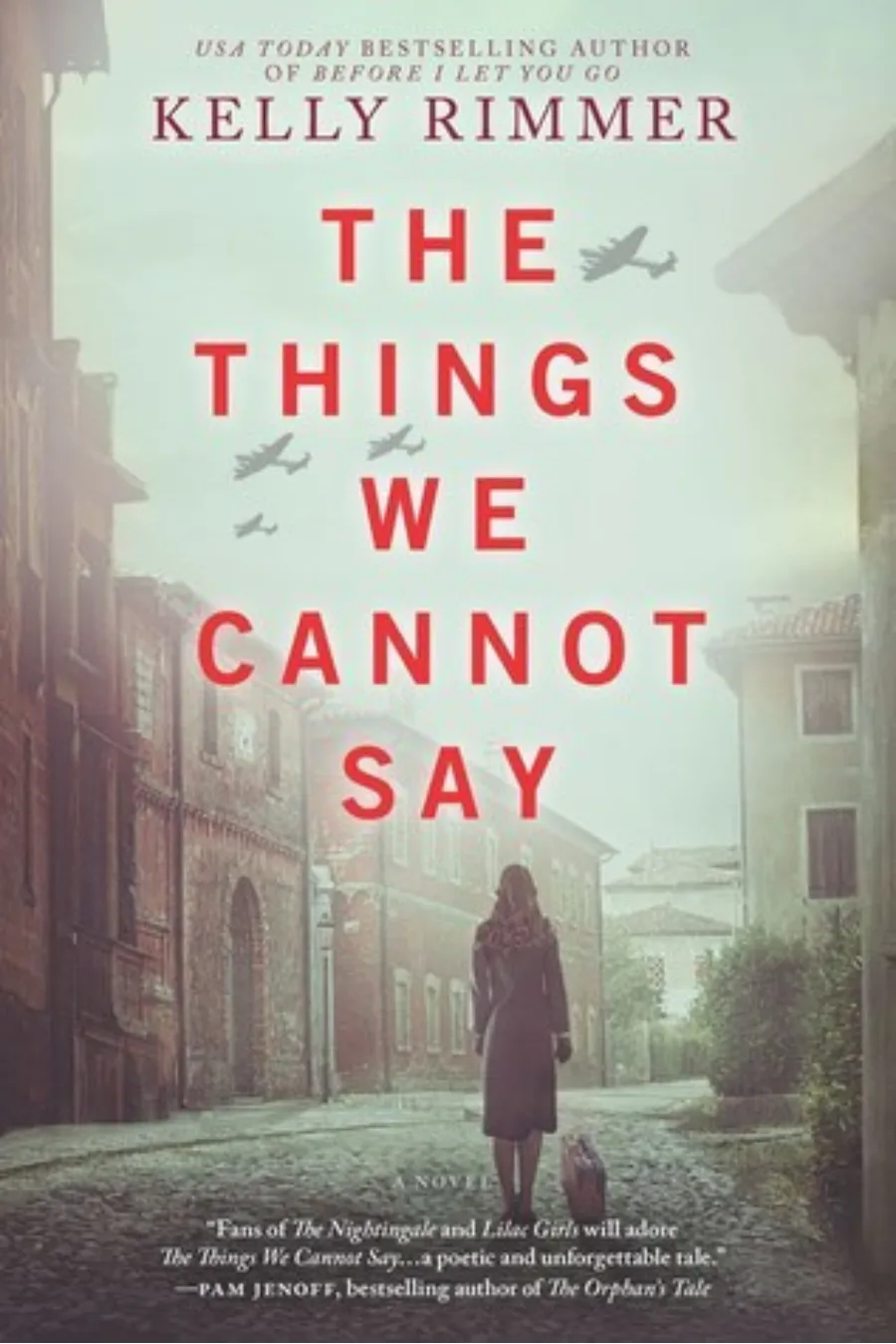
Genre: Historical fiction / Romance / Family drama
Length: 442 pages
Best for: Readers who love WWII fiction, family secrets, dual timelines, emotional mysteries, and stories about ordinary people caught in extraordinary circumstances.
I have a soft spot for historical fiction that doesn’t make history feel like something that happened to other people. The Things We Cannot Say moves between Nazi-occupied Poland during World War II and the present day, following a family mystery that stretches across generations.
At the heart of the historical story is Alina, a young woman whose ordinary plans for the future are slowly swallowed up by war. Tomasz disappears, danger closes in, and the things she cannot say become almost as important as the things she does.
What I liked about this book is the realistic pace of it. War doesn’t arrive in someone’s life with a dramatic soundtrack. People are still making plans. They’re still falling in love. They’re still waiting for someone to come home. And then, little by little, the world they knew disappears.
This gradual devastation made the story particularly affecting for me. The historical setting isn’t just there to create tragedy. It changes the meaning of every ordinary choice the characters make. And then there is the family mystery in the present day, which gives the story another layer: how much can be hidden in a family before the silence itself becomes part of the inheritance?
This is a longer read, but if you enjoy historical fiction that combines emotion with a mystery you actually want to solve, it earns its place on your TBR. Just don’t blame me when the final stretch gets you.
The Perks of Being a Wallflower by Stephen Chbosky
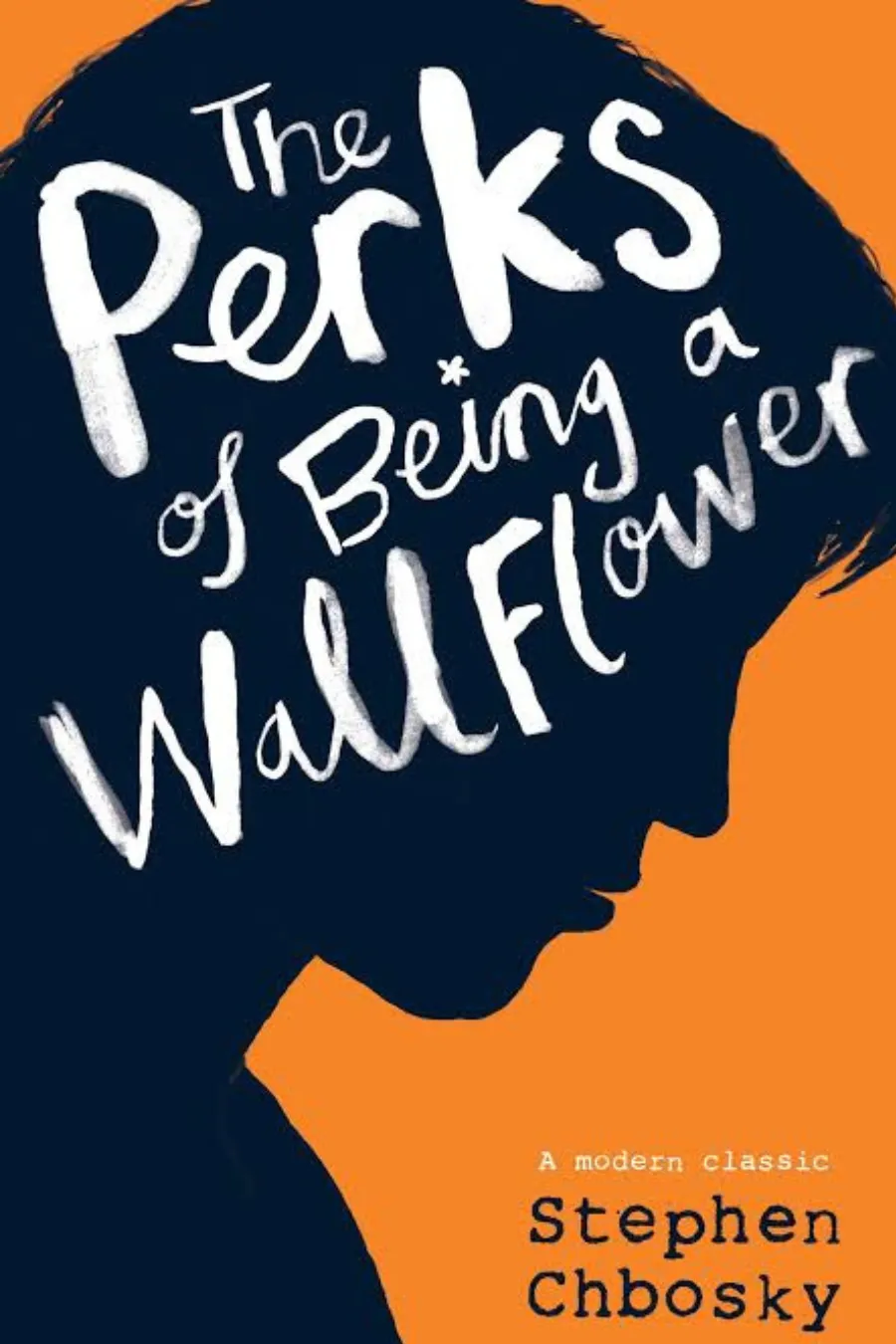
Genre: Coming-of-age / Young adult fiction / Literary fiction
Length: 237 pages
Best for: Readers who have ever felt like an outsider, nostalgic readers, anyone navigating the strange space between adolescence and adulthood, and people who love books that feel like a conversation.
Some books are very obviously written for teenagers. And then some books somehow grow up with you. The Perks of Being a Wallflower is one of those books.
Charlie is starting high school and trying to figure out how to participate in life instead of simply watching it happen around him. Through his letters, we get friendship, first love, family problems, parties, grief, music, mistakes, and all the awkwardness that comes with growing into yourself.
What I love about Charlie is how observant he is. He notices things. Sometimes that makes him seem wise. Sometimes it makes him painfully vulnerable. And sometimes being the person who notices everything is exhausting.
The book captures that strange period when you’re old enough to understand that life can be complicated but nowhere near old enough to know what you’re supposed to do about it. There are books that make you nostalgic for a particular time.
This one makes me nostalgic for a feeling…that strange mixture of wanting desperately to belong and desperately wanting to figure out who you are before you do. And yes, the book can be heartbreaking. But it is also funny and warm and full of those tiny moments that make adolescence feel so enormous when you’re living through it. If you’ve ever felt like the wallflower in the room, there’s a good chance Charlie will feel familiar.
Btw if you’re wondering whether reading all these books on a Kindle actually feels as good as reading a physical copy, I wrote more about my experience with Kindle and why I’ve ended up using mine so much.
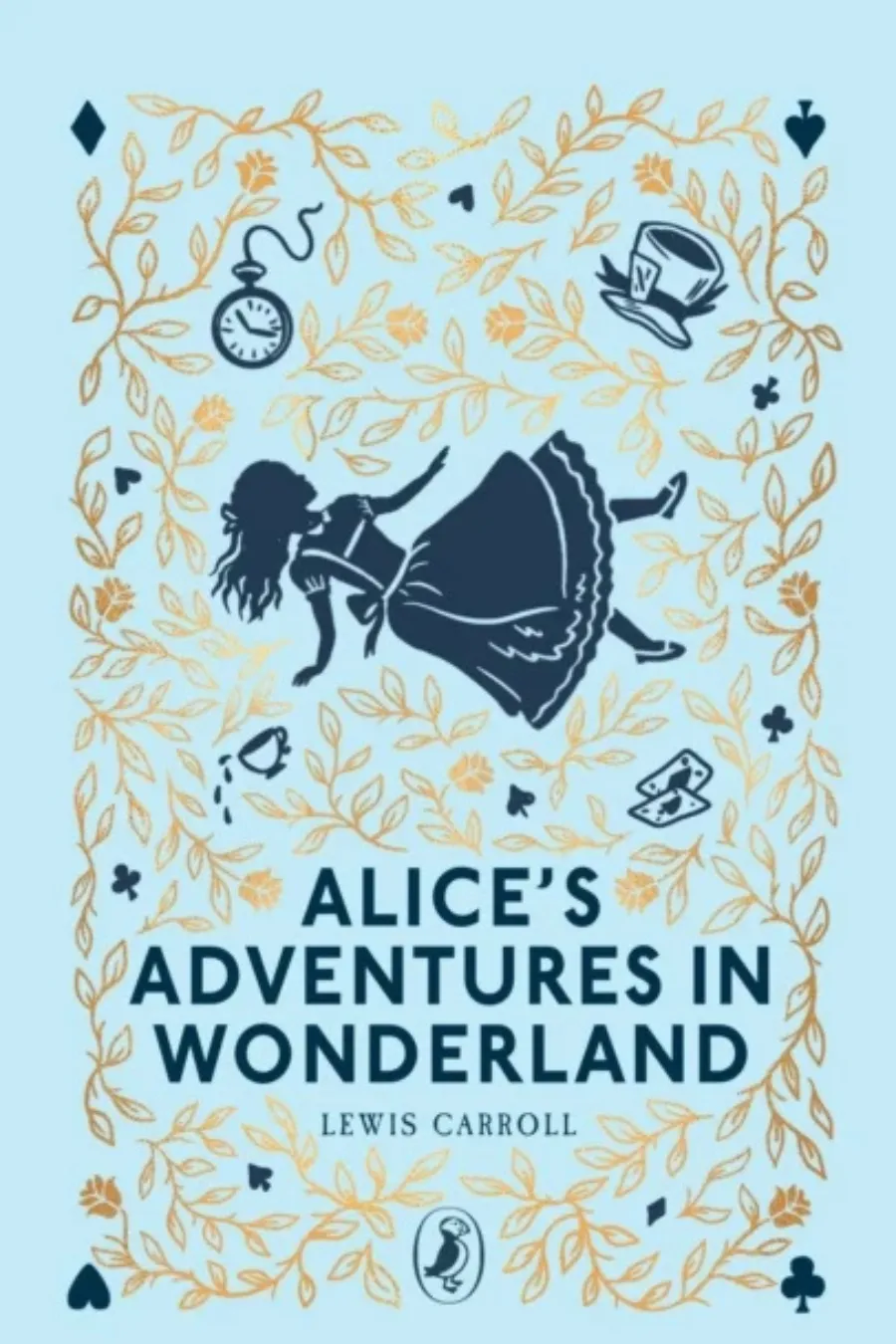
Alice’s Adventures in Wonderland by Lewis Carroll
Genre: Classic fiction / Fantasy / Children’s literature
Length: 114 pages
Best for: Readers who love whimsical stories, strange little worlds, illustrated classics, absurd humor, and books that remind you that you don’t always need to know where you’re going.
I actually found Alice’s Adventures in Wonderland before I was much of a reader at all. I came across an illustrated copy in a thrift store, and honestly, the cover sold me before the book did. It was beautiful, and I remember thinking: Well, everyone keeps talking about this “children’s classic,” so why not? I’m very glad I did.
Because Alice didn’t feel like the children’s book I expected it to be. It felt like being dropped into the middle of a dream where nobody had bothered to explain the rules. Alice follows a white rabbit, falls down a ridiculously long hole, changes size, meets the Mad Hatter, has a tea party that seems to have completely abandoned the concept of time, gets philosophical advice from a caterpillar, and encounters that wonderfully unsettling Cheshire Cat who appears and disappears whenever he feels like it.
And somehow, none of it needs to make sense. I think that was what I needed from it at the time.
There was something strangely comforting about watching Alice keep moving even when she had absolutely no idea where she was going. She doesn’t have a five-step plan for Wonderland. She just follows the next strange thing, asks questions, gets confused, makes mistakes, and keeps going.
Sometimes I think that’s the part of Alice I love most. You can be completely lost and still have an adventure. And then there’s the Mad Hatter, who is, well, mad. The Cheshire Cat with his unsettling little grin. The ridiculous conversations. The nonsense that somehow manages to feel oddly wise.
I didn’t need Alice to teach me how to find my way. I think I needed a book that reminded me that not knowing the way isn’t always a problem. Sometimes you just keep walking and see what happens. That little thrift-store discovery ended up being one of those books that found me at exactly the right time.
And honestly? I’m still a little obsessed with that funky cat.
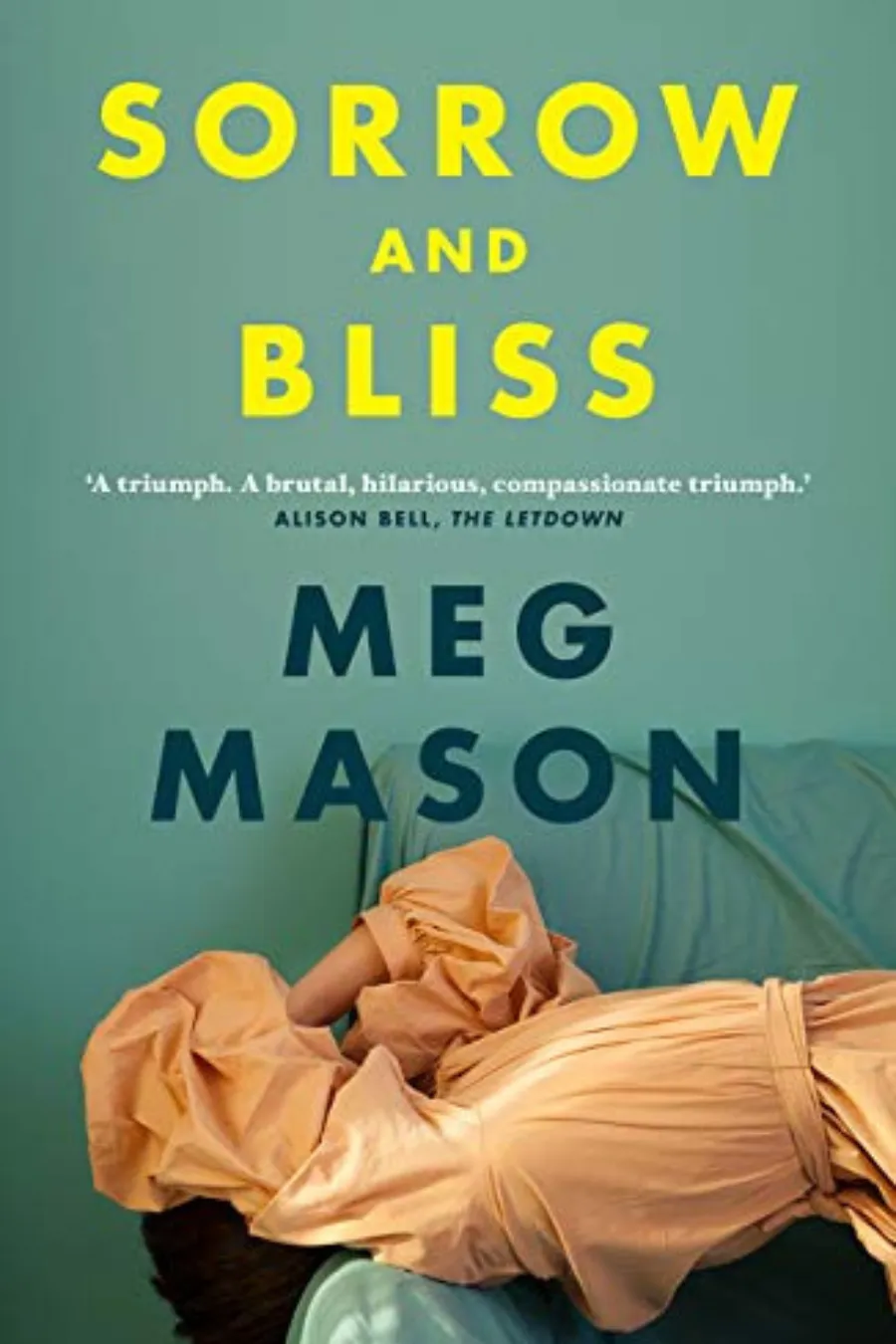
Sorrow and Bliss by Meg Mason
Genre: Literary fiction / Dark comedy / Family drama
Length: 347 pages
Best for: Readers who love complicated female characters, dark humor, messy families, complicated relationships, and books that are painful without becoming relentlessly heavy.
Martha Friel is not an easy person to live with. She is also not an easy person to be.
At forty, she is separated from her husband, back with her family, and still trying to understand what has gone wrong in her life. Something has been wrong with Martha since she was seventeen, but even after years of doctors, therapy, and medication, she doesn’t have a simple explanation for herself.
And I loved how unsimple this book is. Martha can be funny and cruel. She can be self-aware and completely oblivious. She can love people and hurt them in the same breath. In other words, she feels real.
The humor is one of my favorite parts. Sorrow and Bliss manages to be genuinely funny without turning Martha’s pain into a joke. Sometimes you laugh because Martha is funny. Sometimes you laugh because the alternative would be staring into the abyss.
There is also something very honest about the way the book handles relationships. People don’t always leave because they stopped loving each other. People don’t always stay because things are good. And sometimes loving someone doesn’t give you the ability to fix them.
I think that’s what makes this book so affecting. It doesn’t promise that everything will become perfect. It simply leaves room for the possibility that a life can still be worth living even when it doesn’t look anything like the life you thought you were going to have.
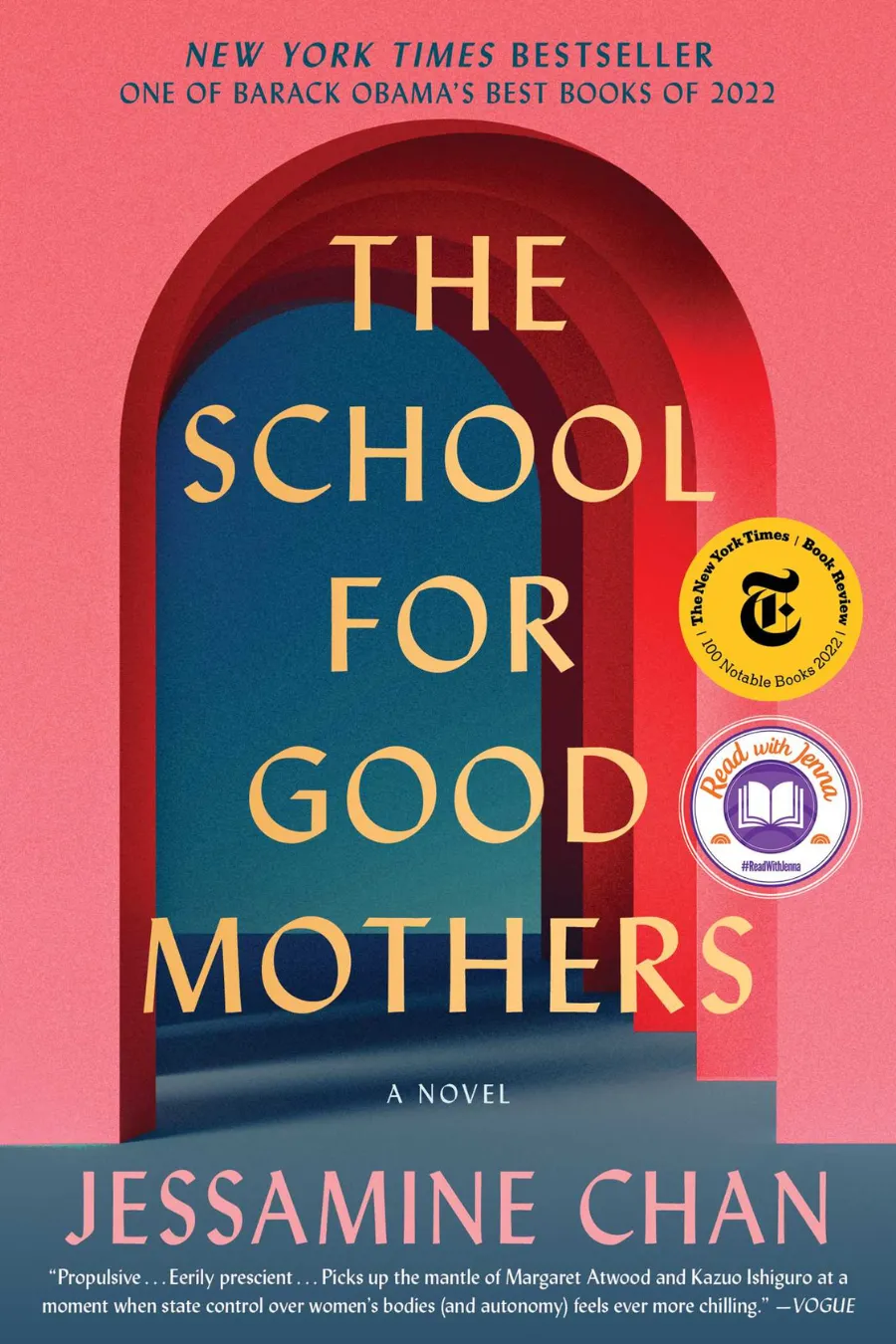
The School for Good Mothers by Jessamine Chan
Genre: Dystopian fiction / Literary fiction / Social commentary
Length: 336 pages
Best for: Readers who enjoy unsettling dystopias, feminist fiction, social commentary, and stories that make you question the rules everyone else seems to accept.
Here’s my warning: This book may make you angry.
In The School for Good Mothers, Frida Liu makes one serious parenting mistake and ends up in a government program designed to teach mothers how to become better parents. Her ability to regain custody of her daughter depends on how well she performs under an increasingly invasive system of surveillance and evaluation.
Sounds extreme, right? That’s the point! The book takes all those quiet judgments surrounding motherhood, Are you doing enough? Are you patient enough? Are you present enough? Are you good enough? and turns them into an actual institution, which is horrifying. And also, occasionally, uncomfortably funny.
What I found most interesting was how quickly the story makes you question your own instinct to judge Frida. It is very easy to look at someone else’s parenting from the outside and decide what they should have done. It is considerably harder to admit that one bad decision does not necessarily tell you everything about a person. And that is where the book really got under my skin.
Motherhood is treated as though there is a perfect standard everyone should be able to meet, even though the standard keeps moving and women are expected to meet it while exhausted, judged, and watched. This isn’t a cozy read. It’s not supposed to be. But if you like books that leave you arguing with the story, and possibly with yourself, this one deserves a spot on your TBR.
If you tend to gravitate toward books that leave you slightly unsettled, you might also want to check out my list of dark psychological thrillers that will completely mess with your mind.
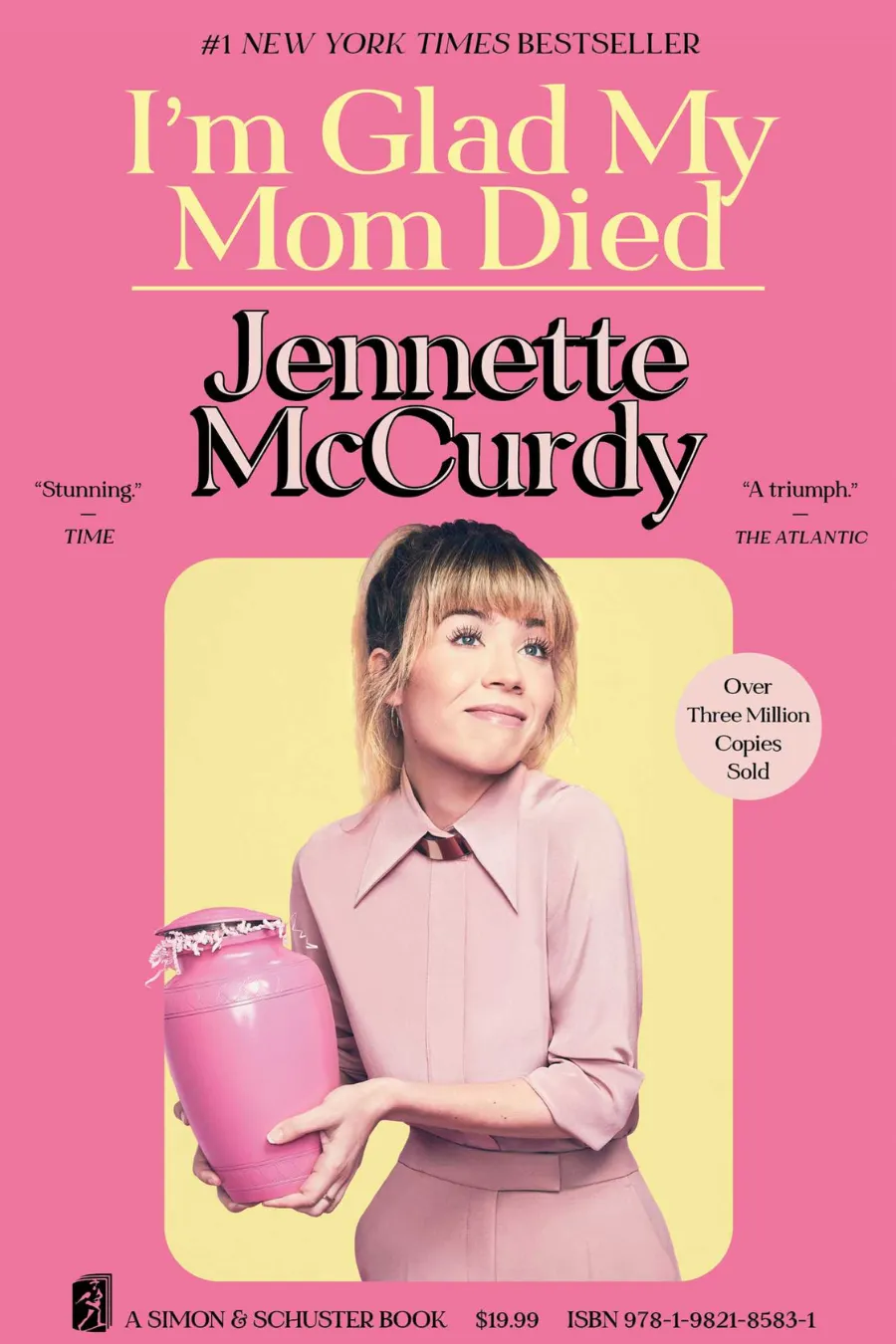
I’m Glad My Mom Died by Jennette McCurdy
Genre: Memoir / Literary nonfiction
Length: 290 pages
Best for: Readers interested in complicated family relationships, child stardom, fame, identity, dark humor, and brutally honest memoirs.
Okay, let’s be honest: this memoir was everywhere in 2022. And, of course, it was the title that made everyone stop and stare for a second. I’m Glad My Mom Died? Excuse me?
For some reason, though, I didn’t actually pick it up until a few days ago, and I immediately regretted waiting this long. Because once I started reading, I understood why people couldn’t stop talking about it. This isn’t as simple or heartless as the title makes it sound, it is much more complicated!
Jennette McCurdy writes about becoming a child actor, growing up under her mother’s intense control, finding fame through Nickelodeon, struggling with eating disorders and addiction, and eventually trying to figure out what her life looks like when she is no longer living according to someone else’s expectations.
What surprised me most was how funny the memoir can be. It wasn’t cheerful or light. It was actually funny. McCurdy has a sharp, dark sense of humor that makes some of the most uncomfortable moments easier to read without making them feel less serious. And I think that’s part of what makes the memoir so good: she doesn’t turn her story into a neat tale of suffering followed by perfect recovery. She lets it stay complicated.
The title itself starts to make more sense as you understand what her mother represented in her life. The relief isn’t really about celebrating death. It’s about what it can mean to finally have space to become yourself. Sometimes freedom doesn’t arrive as a grand dramatic moment, it is simply realizing you are finally allowed to make decisions about your own life.
If you’ve been avoiding this memoir because the title feels too provocative, I would genuinely give it a chance. There is much more here than the title.
The Wedding People by Alison Espach
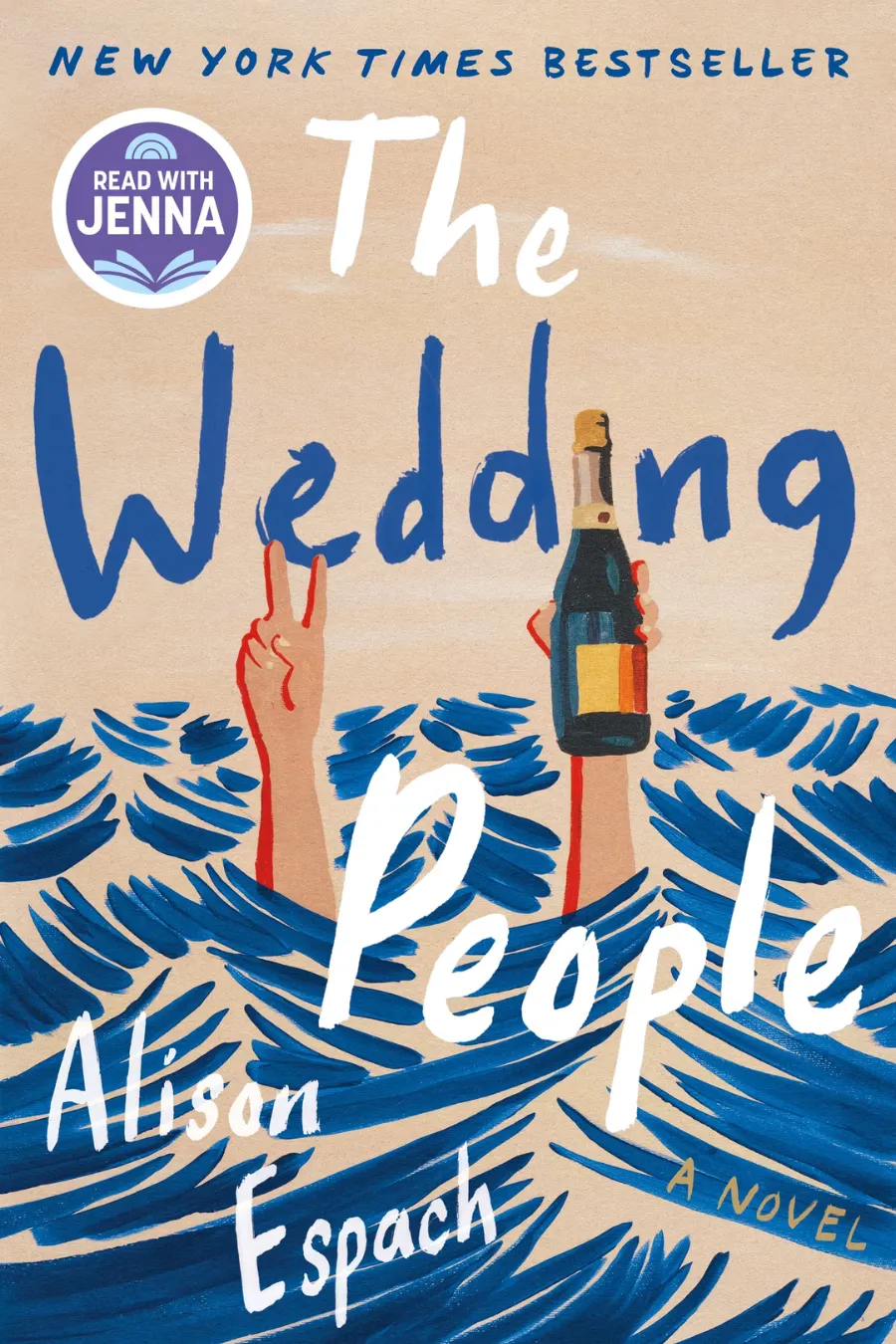
Genre: Contemporary fiction / Women’s fiction / Dark comedy
Length: 358 pages
Best for: Readers who love complicated women, unexpected friendships, dark humor, emotional stories, and books about starting over when life has gone spectacularly off-script.
Imagine arriving at a luxury hotel alone, dressed for a very specific occasion, and discovering that literally everyone else is there for a wedding. But well…except you. That is where Phoebe Stone finds herself in The Wedding People.
Phoebe has arrived at the Cornwall Inn in Newport, Rhode Island because her life has fallen apart and she has decided to spend one last extravagant weekend there. Instead, she accidentally becomes part of someone else’s wedding story. And somehow, that is exactly what she needs.
I loved the strange friendship at the center of this book. Phoebe and the bride should not necessarily become important to each other. Their lives are completely different. They barely know one another. But sometimes strangers can see things in us that the people who have known us forever can’t. That’s one of the things I liked most about the book. It understands that starting over rarely looks inspirational while you’re actually doing it. Sometimes it looks embarrassing and ridiculous.
Sometimes you’re wearing the wrong dress at the wrong wedding and talking to a stranger because you don’t know what else to do. And then, somehow, life starts moving again. The Wedding People is funny without being fluffy and emotional without drowning you in sentiment.
Most importantly, it made me like the idea that a completely unplanned detour might still take you somewhere worth going. And honestly, that feels like a pretty good reason to read a book.
Which One Should You Add to Your TBR?
If you have made it this far, I’m going to assume your TBR is already in some degree of danger. But if you want to narrow these 11 down, here’s where I’d start.
Want something underrated and tragic? Start with My Last Innocent Year. I will continue campaigning for this book to get the attention it deserves.
Want a wildly addictive story about a complicated woman? Pick up The Seven Husbands of Evelyn Hugo.
Want something magical and deeply bookish? The Lost Bookshop.
Want to laugh at a book that has absolutely no business being this funny? Head Fake.
Want historical fiction with secrets and emotional devastation? The Things We Cannot Say.
Want a coming-of-age story that still hits years later? The Perks of Being a Wallflower.
Want 114 pages of beautiful nonsense? Go to Wonderland.
Want dark humor and a protagonist you might simultaneously want to hug and throttle? Sorrow and Bliss.
Want a dystopian book that will make you question how quickly we judge other people? The School for Good Mothers.
Want an unforgettable memoir with a title you will never forget? I’m Glad My Mom Died.
Want a funny, tender story about an unexpected second act? The Wedding People.
And if you can’t decide? That’s what Kindle Unlimited is for. Pick one. Read a few pages (50 at least). And if you hate it, there are approximately several million other books waiting to ruin your TBR.
Now, Go Pick a Book!
I don’t think a good reading list needs to end with a grand lesson. Sometimes you just need someone to point you toward a book and say, “I think you’re going to like this one.”
These 11 are some of the books I’d happily do that for. Some made me laugh, some made me uncomfortable, some stayed in my head long after I finished them, and a few became the kind of books I find myself recommending whenever someone asks what they should read next.
And that’s really what this list is about. Not finding the objectively best book on Kindle Unlimited, but finding the book that feels right for you right now. So pick the one that keeps catching your eye, open that first page, and see where it takes you. Your next favorite might be hiding somewhere in this list. And if you’ve just looked at this list and thought, yeah I need more KU recommendations, I would say, good thinking, my friend, because I have compiled a list of 10 KU books you need to read in 2026!
If you’re always looking for your next book, stick around The Reader Life for more book recommendations, reading guides, Kindle Unlimited finds, and all the little things that make being a reader more fun!


[…] Speaking of not reading enough, I have also added a book recommendation list of some of the amazing KU books you need to add to your TBR. […]