
Reading as Ritual: The Rise of Reading and Book Aesthetics
Table of Content
A New Reading Trend Emerges
Every few years, the reading world collectively fixates on something, dark academia, sad girl literature, cottagecore poetry, dilemmas fueled by Dostoevsky, you name it. (If you’re curious about the Dostoevsky obsession, check out my post Why Is Reading Community Obsessed With Fyodor Dostoevsky?)
But recently, something softer and stranger has taken over: the ritual of reading itself.
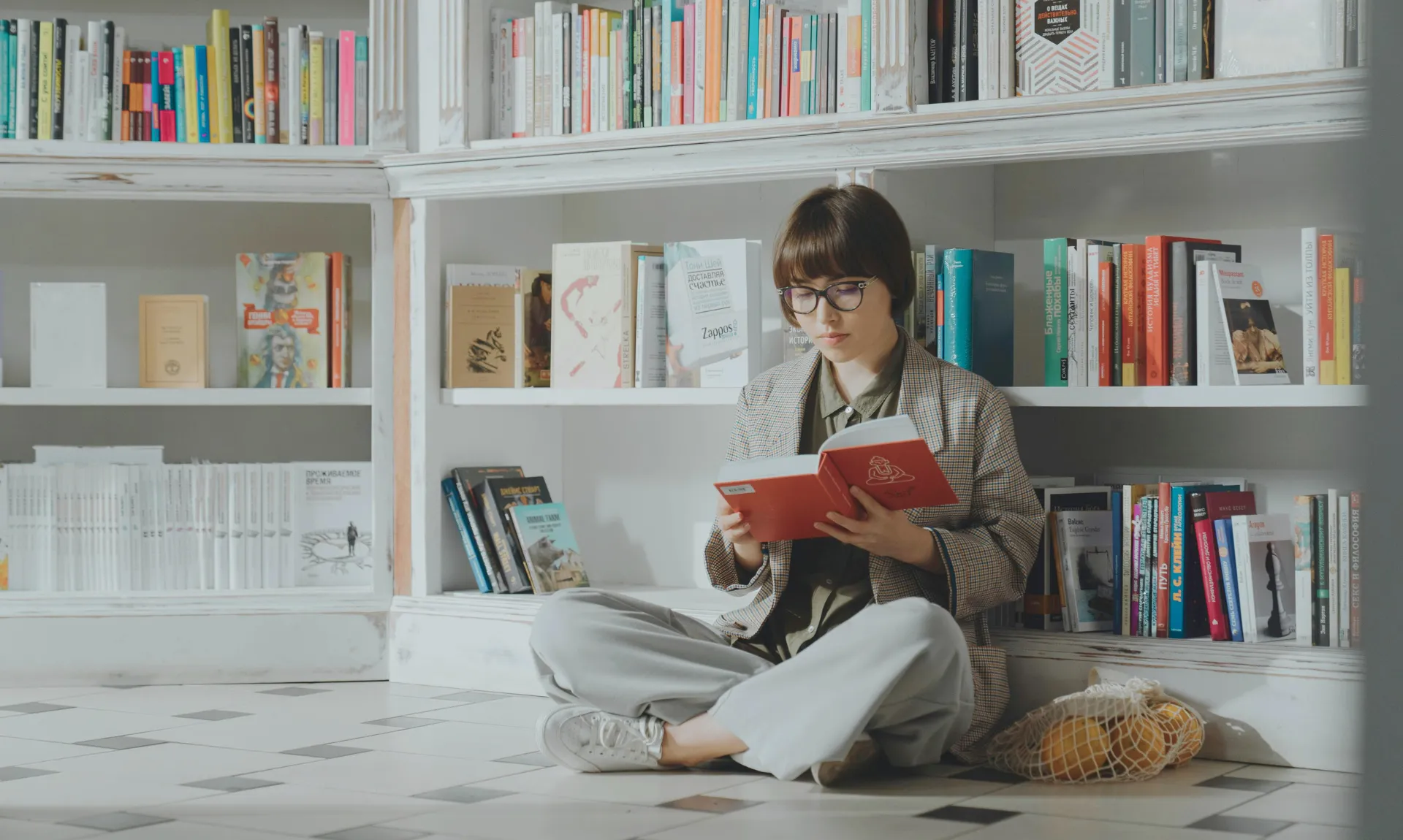
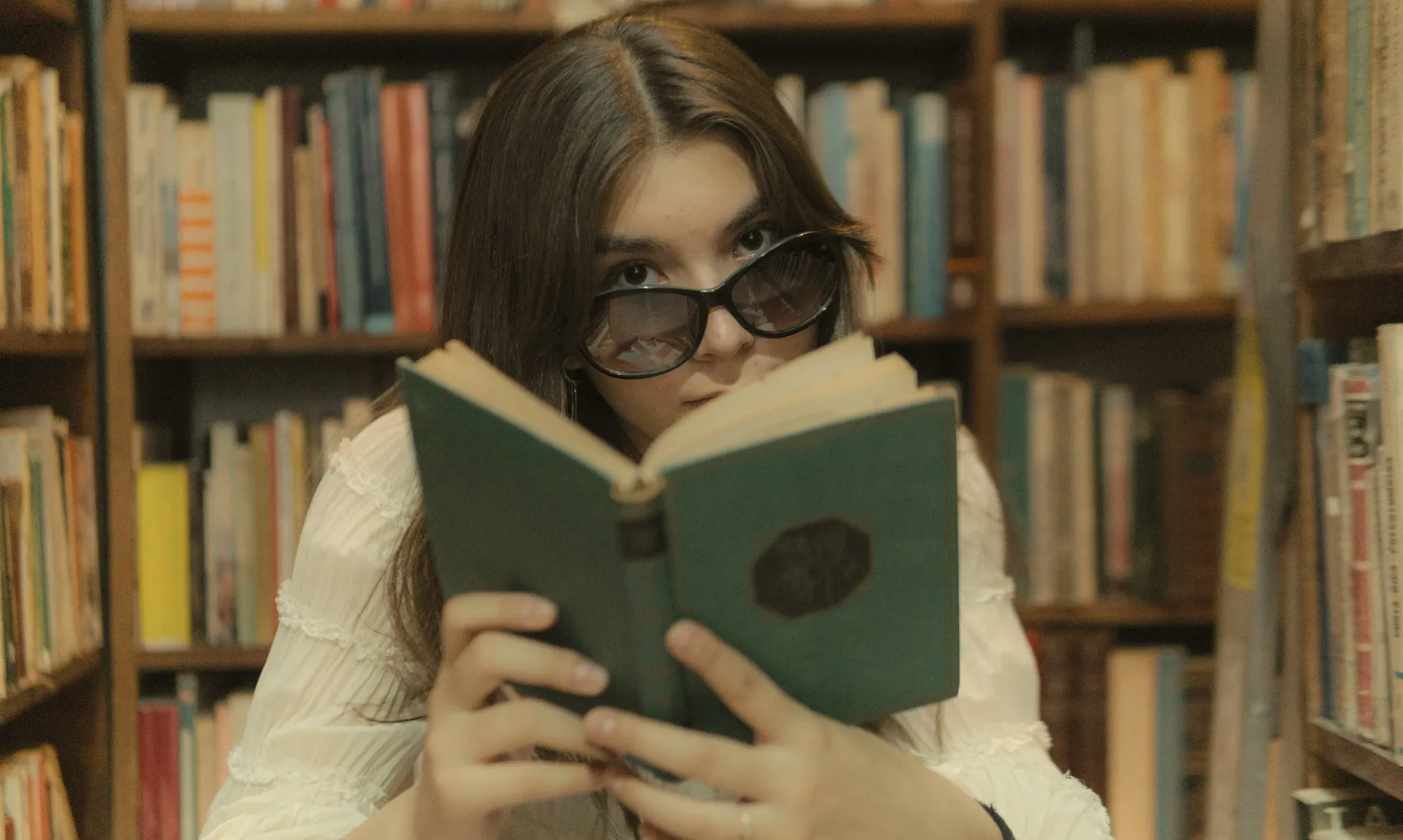
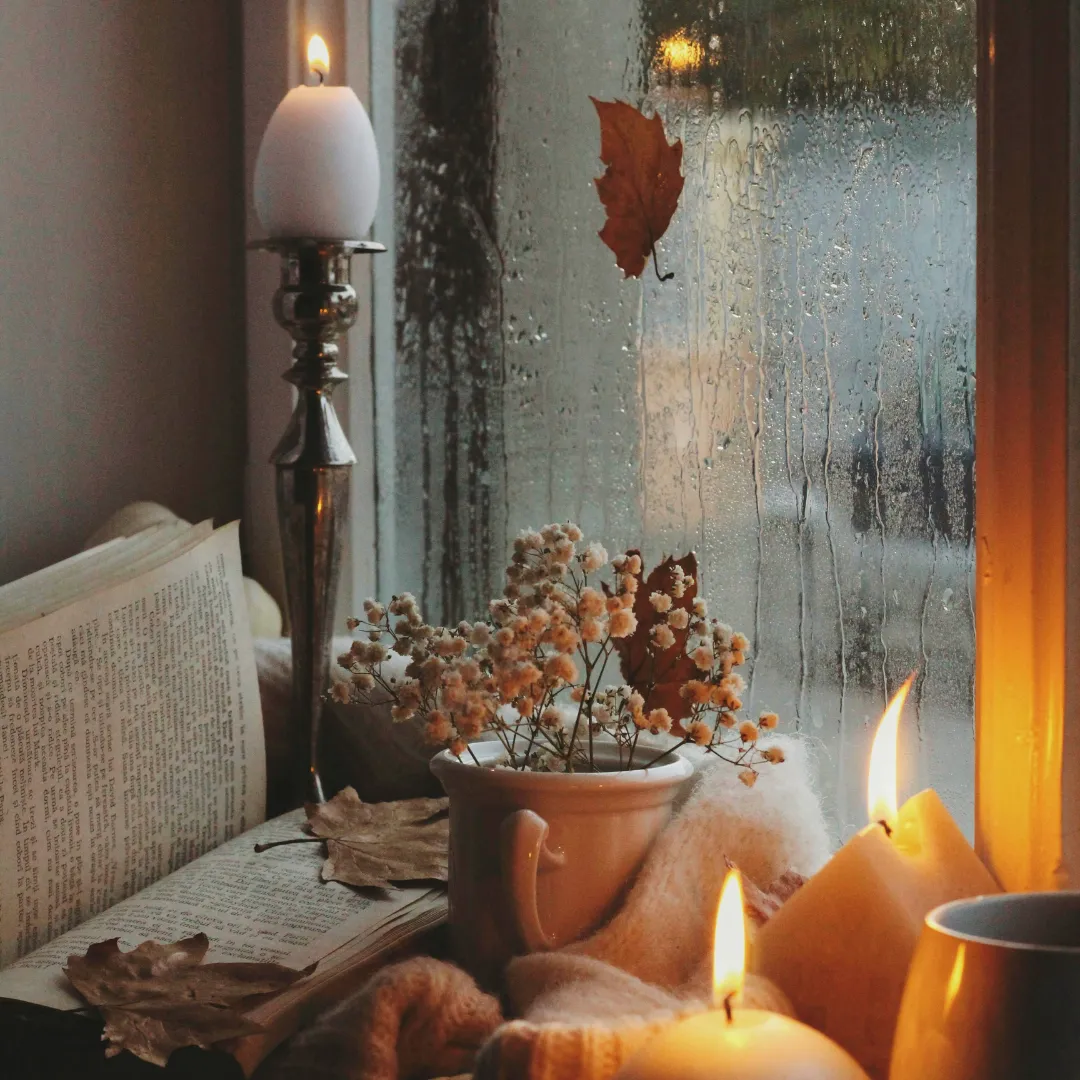
If you’ve been online at all, you’ve seen it, the cozy corners, annotated margins, candlelit hardcovers, and the warm lamp glow that somehow makes even a paperback look spiritual. Reading is no longer just a habit. It is a moment. It is a curated pause, more like a tiny ceremony that people devotedly get involved in. They capture and share multiple moments to connect with the virtual reading community and let them know, yes we are here and here’s our book aesthetic. And then, the reading aesthetics around these moments become as important as the act of reading itself.
I’ve been watching this shift unfold quietly, and honestly, it fascinates me. So let’s talk about this new reading trend, why it resonates so deeply, why it’s everywhere, and what it might actually mean for us.
Modern Readers & Their Book Aesthetics
For many readers, the reading ritual isn’t just about reading, it’s about feeling like a reader.
It’s the same reason people once bought Moleskines to “feel like a writer.” Now, people arrange their books to “feel like a reader.” It’s aspirational, but in a soft, harmless way. And the book aesthetics they create, candles, cozy corners, perfectly aligned covers, play a big role in that feeling.
You’ll often see a brand-new release, a hyped literary fiction title, suddenly everywhere on TikTok, not because everyone is discussing its themes, but because it “fits the vibe.”

Books like Cleopatra and Frankenstein, Bunny, and even the latest Ottessa Moshfegh novels tend to capture attention quickly, not only for their stories, but also for the “aura” they bring.. And these are just a few examples; there are thousands more. The world of reading aesthetics is incredibly diverse, offering everything from muted, introspective tones to vibrant, fantastical adventures, and from literary classics to imaginative fantasies. There’s really something to match every mood, style, and vibe.
But why now? In the world of fast-paced technology, why are we drawing back to the slow reading experience? Because we’re exhausted. The constant scroll, the overstimulation, the endless noise is exhausting and everyone wants an exit. Picking up a book feels like a justified disappearance, a socially acceptable way to log out of the world.
And honestly? That’s beautiful.
Do We Love to Read or What?
Of course, with every genuine trend comes its aesthetic counterpart. Online, reading is heavily romanticized. The set-up is undeniably beautiful… but it also raises questions. Are we reading because we love it, or because we love how reading looks? This tension isn’t new. We saw it with sad girl literature (read more here) and Dostoevsky fever too.
People devoured The Bell Jar and White Nights for their raw honesty and tragic characters, sure, but also because the cover fit the Tumblr aesthetic of the time. Everyone was talking about these books, and reading them made people feel seen, relatable, and understood.
But do we really understand the purpose of it all? Or do we simply connect with hopeless characters and make our own lives feel more miserable than they already are?
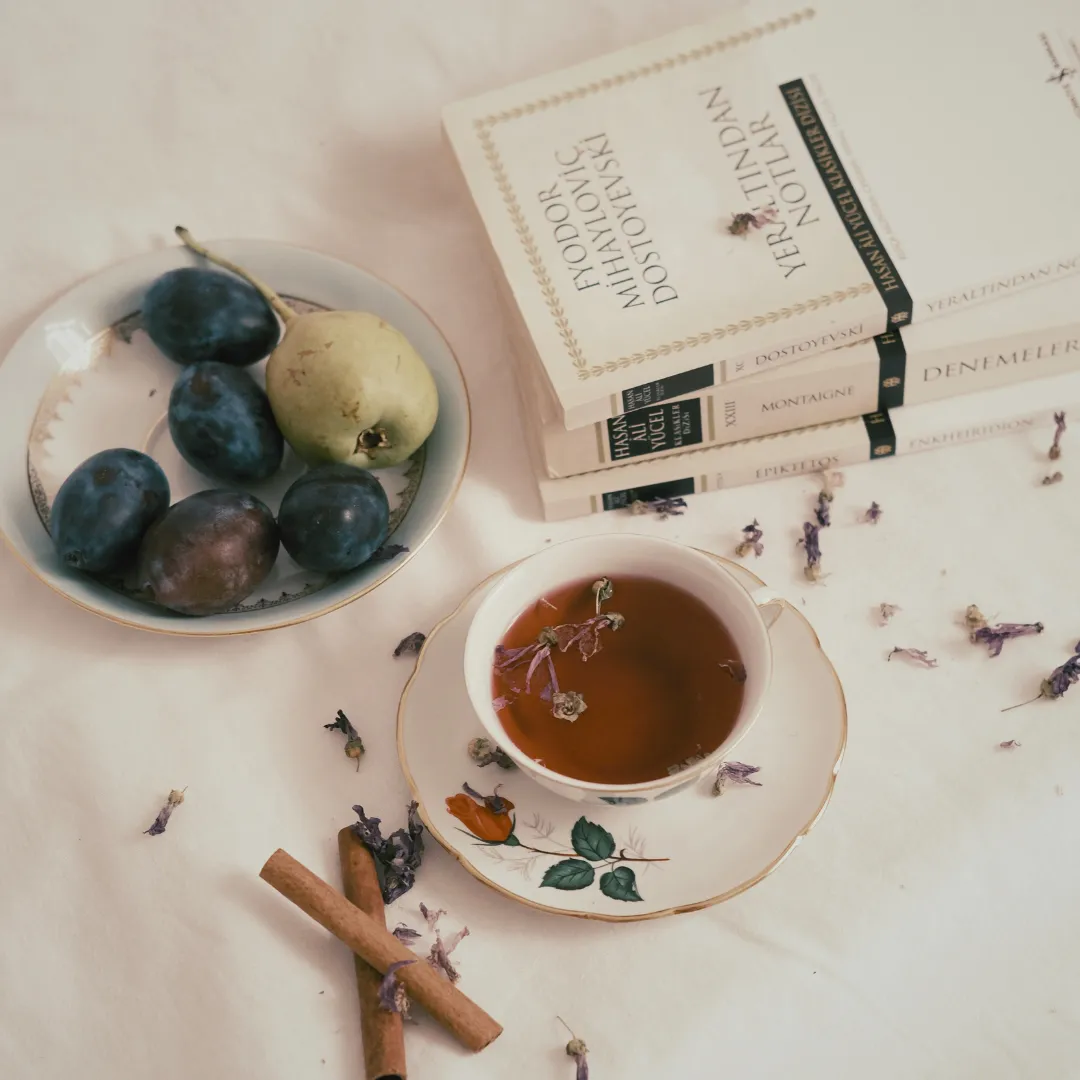
I’ve heard people rave about the fact that Dostoevsky’s unnamed narrator in White Nights repeats his lover’s name nearly 138 times, while his own name is never mentioned. Yes, it’s painful. I get why it hurts. But turning that pain into something “relatable” feels questionable. Aren’t we, in a way, bonding with a character who is deeply melancholic and struggling with self-esteem issues? Does that connection help us, or does it quietly reinforce the same sadness?
I’m not questioning the value of the classic, I love the book. Still, it feels like we sometimes miss the message because we’re more focused on the “vibe” of it.
Then again, that same relatability is what makes these books famous. It gets people to read them, and maybe that, in itself, isn’t such a bad thing after all.
Reading Aesthetics Do Serve a Purpose!
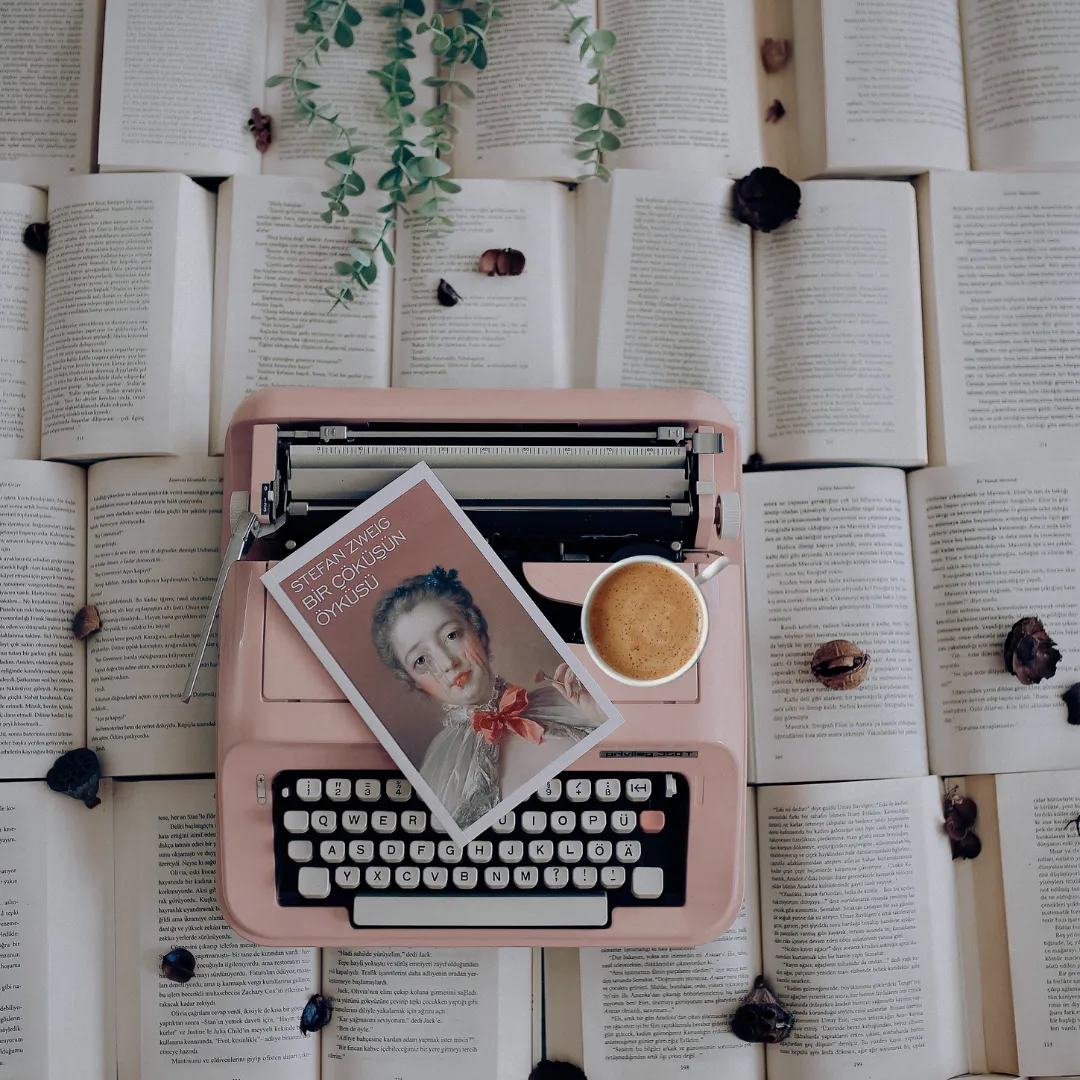
On social media, reading aesthetics often take center stage. You might see the artistic hardcover of Hello Beautiful next to a steaming cup of matcha, and fairy lights twinkling in the background. Or a candlelit setup with Blue Sisters on a rustic wooden desk and a notebook open for annotations. Even e-readers get the aesthetic treatment: a tablet or Kindle resting on a linen throw, sunlight spilling across a corner, a cozy throw blanket tucked around a reader’s lap. These setups aren’t just for show, they do serve a purpose as reading aesthetics turn reading into a moment worth savoring and sharing. It ultimately reinforces the trend of reading books.
Personally, I’ve started doing the same. I decorate my Kindle with fun bookish stickers, and I always make sure I have a hot coffee or cocoa beside me when I read. Honestly, it’s not that I’m chasing a trend, these little accessories just make the experience more pleasurable. They help me slow down and truly enjoy my hobby the way it’s meant to be enjoyed. It feels like I’m giving my books the attention and respect they deserve, and somehow, it makes the whole reading ritual feel more fulfilling.
Want to make your own reading ritual? Start small. Arrange a few favorite books on a cozy surface, add soft lighting, make a cup of tea, and take a few uninterrupted minutes to immerse yourself. Even minor touches, like a textured blanket or a little plant nearby, enhance your book aesthetics and make reading feel like a sacred pause.

The Cultural Shift Behind It All
Deep down, this reading-as-ritual trend or obsession with book aesthetics (whatever you want to call it) feels like a collective longing. A need for:
- slowness
- grounding
- quietness
- self-curated peace
We don’t have many rituals left in modern life. Everything is rushed, optimized, monetized, multitasked. Reading, strangely enough, is one of the last places where time stretches instead of shrinks.
Even the aesthetic around it is telling. Muted colors, soft textures, minimalism, these reading aesthetics are calm in a world that feels constantly on fire.
And if the ritual gets someone to pick up a book they’ve been meaning to read? If it pulls a stressed-out student or exhausted adult into a story for twenty sacred minutes? Then the aesthetic isn’t superficial, it’s a doorway.
Wrapping Up: Reading as a Quiet Rebellion
Reading as ritual and longing to follow bookish aesthetics may be a trend, but I think it’s also a quiet rebellion. A soft, stubborn way of saying: I want to feel something slower. I want to be present.
Whether someone is highlighting every line of Donna Tartt, or curling up with the newest cozy literary release just because it “fits the vibe,” it still reflects something meaningful: an intentional desire for slowing down in our tragically fast-paced and chaotic world.
If you enjoy these reading culture deep-dives, you’ll probably love the rest of my posts on The Reader Life.
I write a lot about bookish aesthetics, hidden gems, and the ever-changing trends shaping our shelves. It’s a space for readers who love the vibes and the conversations, and maybe want a few good book recs along the way.